A Varanasi Travel Guide is useful for understanding a city that combines sacred traditions, ancient history, riverfront rituals, architecture, food and everyday life. Also known as Kashi and Banaras, Varanasi is one of India's most important pilgrimage destinations and has been a major centre of learning and civilisation for centuries. The city stands on the Ganga, while Sarnath, where Buddha delivered his first sermon, is approximately 10 kilometres away.
This Varanasi Travel Guide covers the city's most important sights, experiences, practical travel information, temple timings, food, accommodation and a suggested itinerary. Varanasi is not simply a collection of monuments: its strongest appeal comes from seeing how religious traditions, river rituals, music, craft and daily life continue alongside one another.
Also Read - Taj Mahal Travel Guide: Complete Guide to Visiting Agra’s Iconic Monument
This post contains affiliate links. If you choose to book through them, a small commission may be earned at no additional cost to you. Your support genuinely helps keep the blog running and allows continued creation of high-quality travel guides. Thank you for being here and supporting this journey.
Why Visit Varanasi?
The first reason to use a Varanasi Travel Guide is that the city offers several different travel experiences in one destination. Pilgrims come to visit temples and ghats, history enthusiasts explore its heritage, food lovers seek Banarasi cuisine, while photographers are drawn to the Ganga and the city's distinctive streets.
The city's spiritual identity is particularly connected with Lord Shiva and the Ganga. Varanasi's official tourism portal describes it as an important Hindu pilgrimage destination and highlights its long-standing role as a centre of learning and civilisation.
For first-time visitors, the most rewarding approach is to combine religious landmarks with riverfront experiences, local neighbourhoods and a half-day trip to Sarnath.
Best Time to Visit Varanasi
A good Varanasi Travel Guide should consider the weather before planning an itinerary.
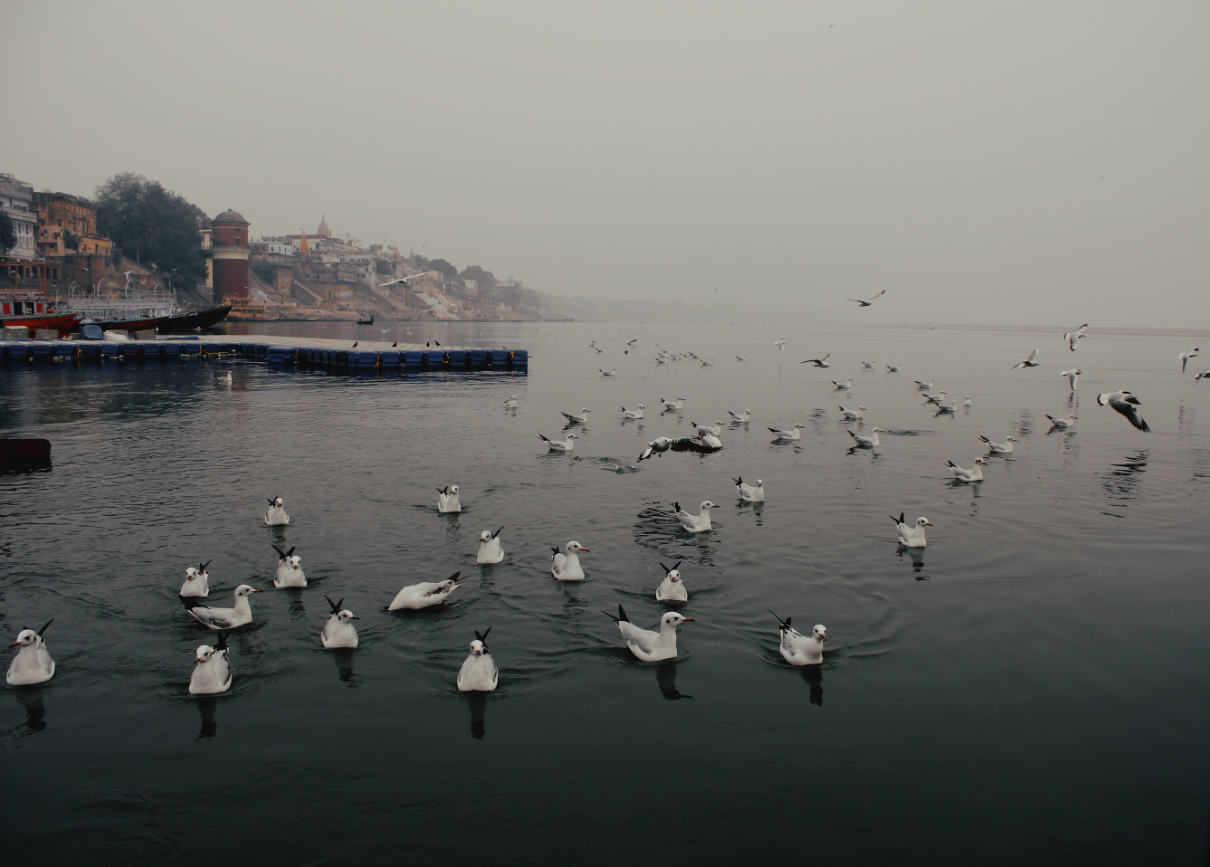
October to March is generally the most comfortable period for sightseeing, particularly for walking around the ghats and exploring the old city. Winter mornings can be cool and foggy, but the atmosphere along the Ganga can be particularly atmospheric.
April to June can become very hot. If travelling during these months, schedule outdoor sightseeing for early morning and evening.
July to September brings monsoon conditions. Rain can affect walking and river activities, although the city remains active throughout the season.
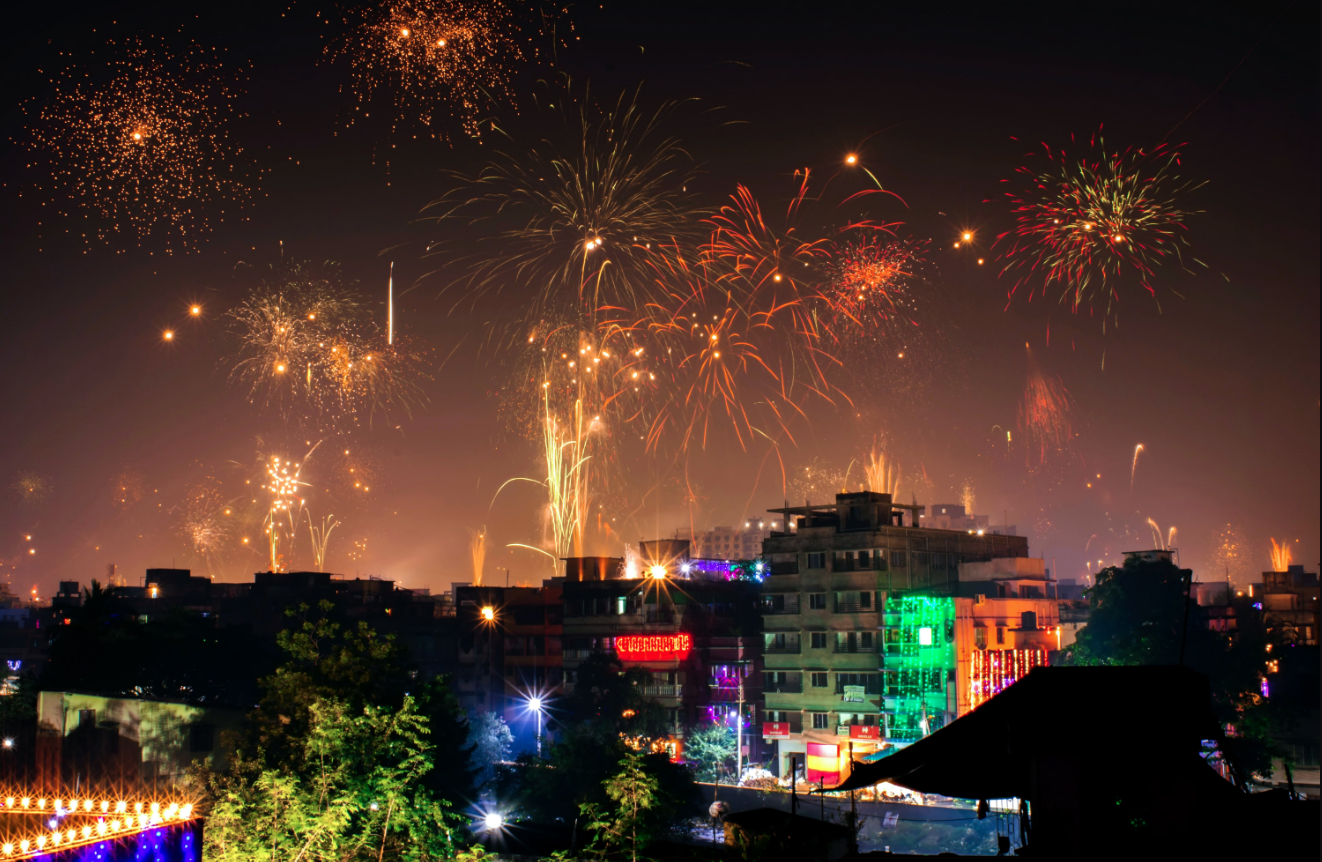
Festival periods can be fascinating but considerably busier. Travellers visiting during Diwali, Dev Deepawali, Holi or major religious occasions should book accommodation and transport well in advance.
How Many Days Do You Need?
For a first visit, this Varanasi Travel Guide recommends three days.
One day can cover the major ghats, Ganga boat ride and evening Ganga Aarti. The second can focus on Kashi Vishwanath Temple, the old city, local food and additional temples. The third can combine Sarnath with museums, shopping and less crowded areas of Varanasi.
Two days are possible for a short trip, but three days provide considerably more time to experience the city without rushing.
Top Places to Visit in Varanasi
01 Kashi Vishwanath Temple
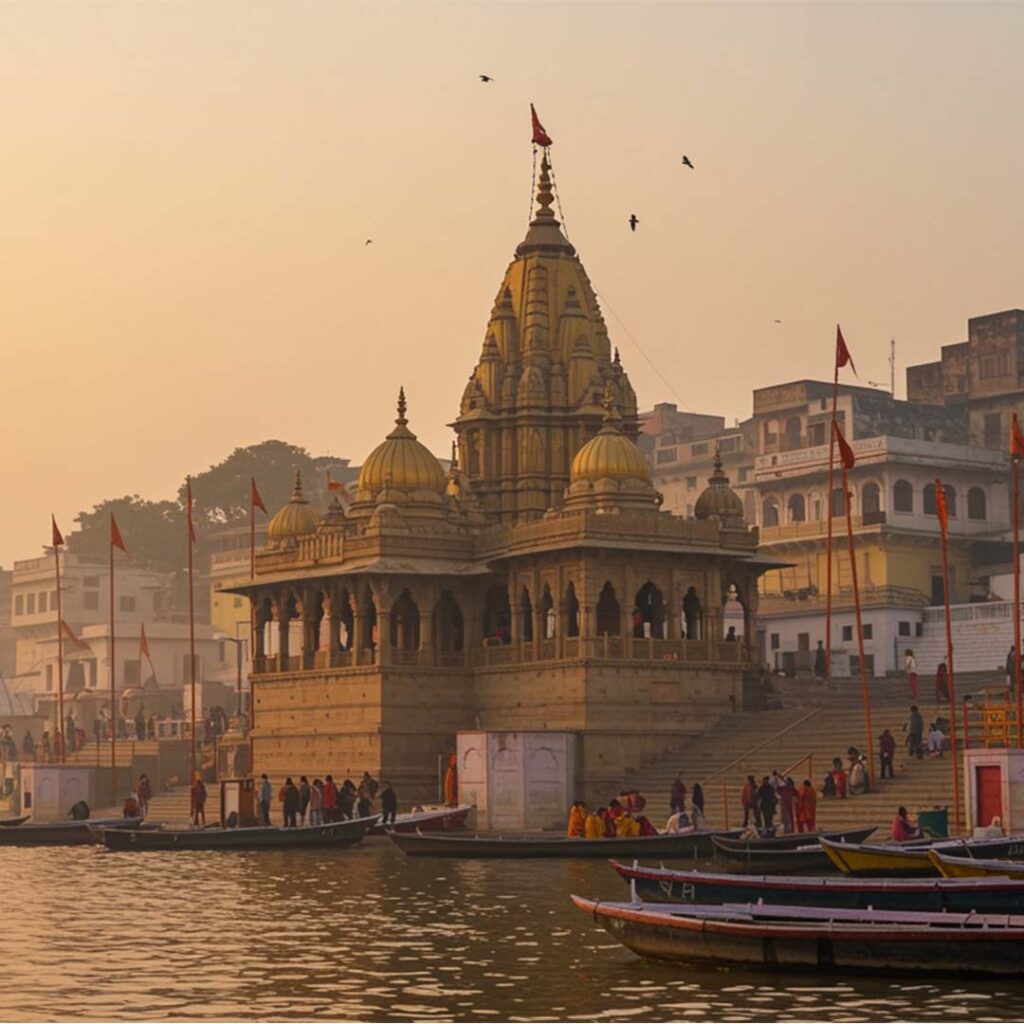
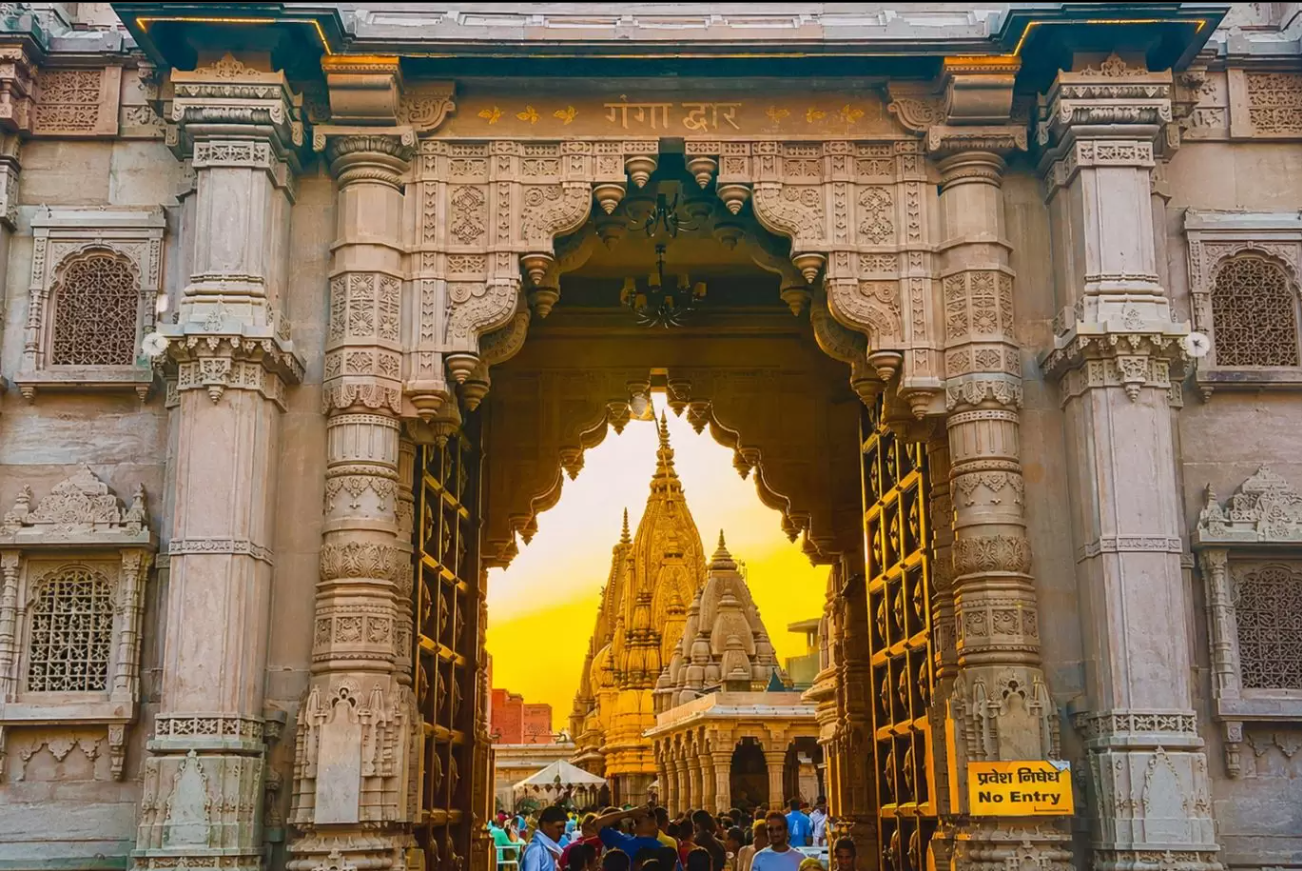
No Varanasi Travel Guide would be complete without Kashi Vishwanath Temple. Dedicated to Lord Shiva, the temple is one of the city's most important pilgrimage sites.
The official temple portal currently states that the temple opens daily at around 2:30 AM for the early religious schedule, with Mangala Aarti taking place from 3:00 to 4:00 AM. General darshan is available during specified daytime and evening periods, while other aartis take place throughout the day.
Visitors should check the official portal before travelling because ritual schedules and access arrangements can change.
The temple administration also states that electronic and non-electronic gadgets are not permitted inside the temple premises.
02 Dashashwamedh Ghat
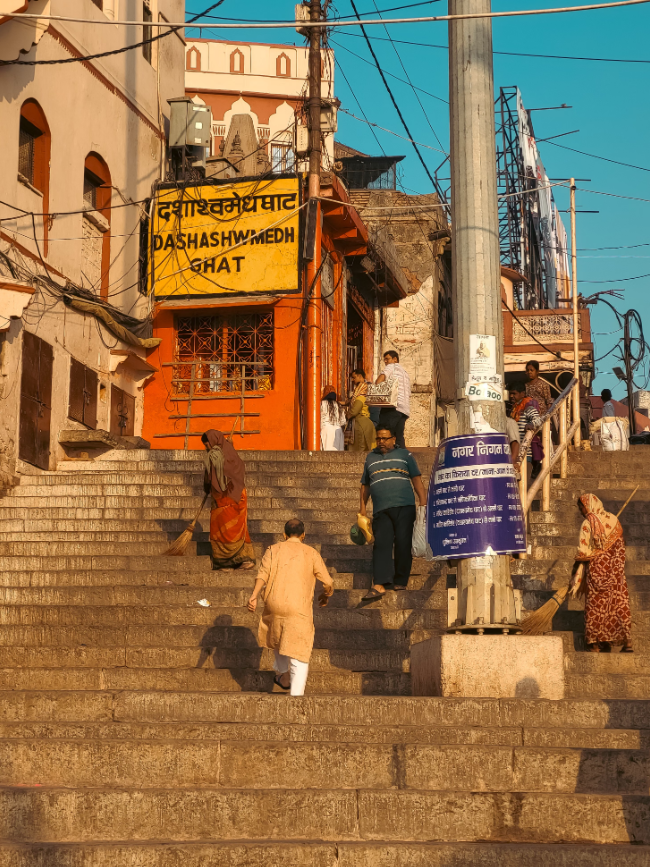
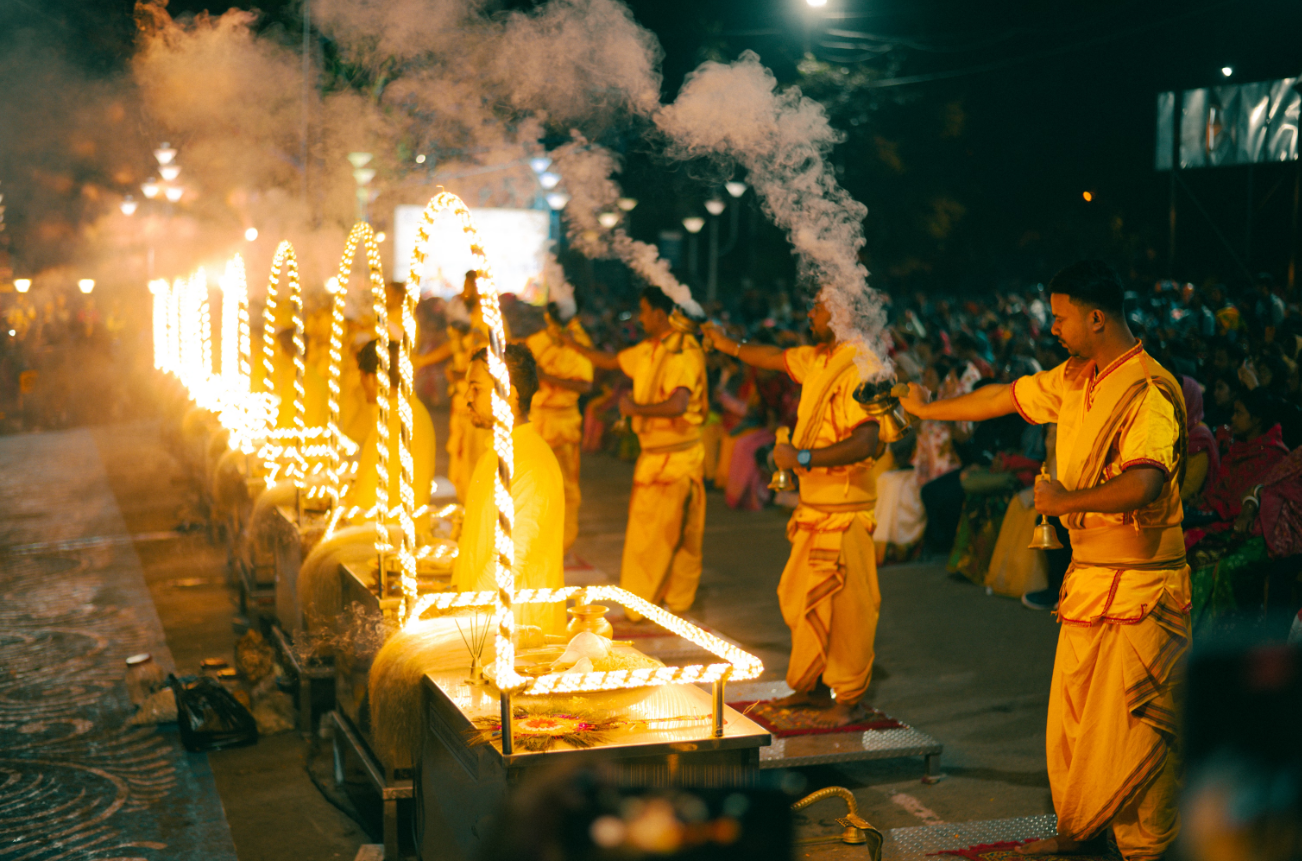
Dashashwamedh Ghat is one of the most recognisable locations in any Varanasi Travel Guide. It is particularly famous for the evening Ganga Aarti, when priests perform a coordinated river worship ceremony involving lamps, incense and devotional rituals.
Arrive early if you want a good view during busy periods. You can watch from the ghat steps or experience the ceremony from a boat, depending on current arrangements.
03 Assi Ghat
Located toward the southern end of the main riverfront, Assi Ghat has a different atmosphere from the busy central ghats. It is popular for sunrise experiences, morning gatherings and riverside walks.
The ghat is a useful starting point for travellers who want to experience Varanasi early in the day before the historic lanes become busier.
04 Manikarnika Ghat
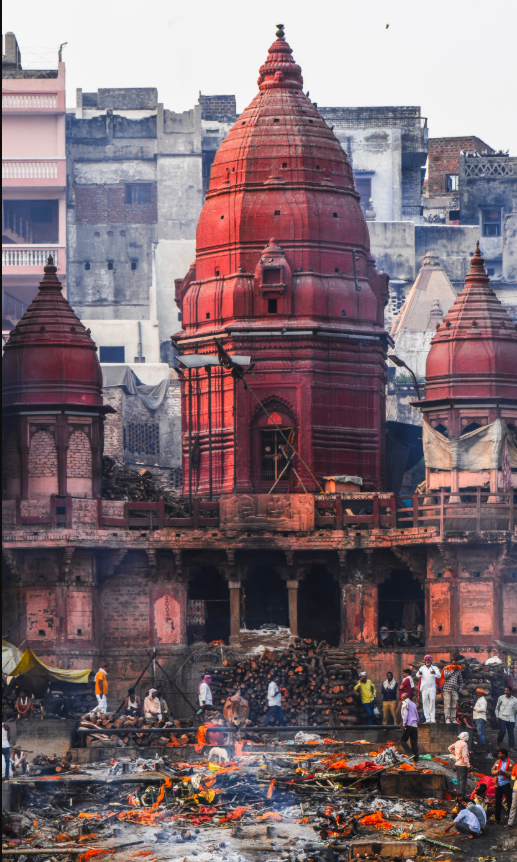
A responsible Varanasi Travel Guide should mention Manikarnika Ghat because it is an important cremation site rather than a conventional tourist attraction.
Visitors should behave respectfully, maintain distance and avoid intrusive photography. The ghat reflects an important aspect of Varanasi's religious understanding of life, death and liberation.
05 Sarnath
Sarnath is one of the most significant excursions from Varanasi. The official district tourism site places it approximately 10 kilometres northeast of the city and identifies it as the location where Gautama Buddha first taught the Dhamma.
The Dhamek Stupa is the most prominent archaeological structure, while the wider site contains monasteries, ruins and Buddhist heritage.
The Sarnath Museum is also worth visiting. It contains important archaeological material, including the famous Lion Capital of Ashoka. Current Incredible India information lists the museum's opening hours as 10 AM to 5 PM and notes that it is closed on Fridays.
06 New Vishwanath Temple
Located at Banaras Hindu University, New Vishwanath Temple provides a contrast to the crowded lanes of the old city. The temple is constructed largely from marble and has a tall shikhara. Incredible India currently lists opening hours as 4 AM-12 PM and 1 PM-9 PM.
07 Ramnagar Fort
Across the Ganga from central Varanasi, Ramnagar Fort offers a different perspective on the city's history. It is associated with the former Maharaja of Banaras and provides an opportunity to explore the city's royal heritage alongside its religious attractions.
Experience the Ghats by Boat
A sunrise boat ride should feature prominently in any Varanasi Travel Guide. Early morning is particularly atmospheric because the first sunlight reaches the riverfront while pilgrims perform rituals, residents bathe and boats move along the Ganga.
A boat ride also provides a broader view of the riverfront architecture. Instead of visiting only one or two famous ghats, you can see how the character of the waterfront changes from one section to another.
Choose licensed or reputable boat operators and confirm the price and duration before departure.
Attend the Ganga Aarti
The evening Ganga Aarti at Dashashwamedh Ghat is one of the city's defining experiences. It is a religious ceremony rather than a staged performance, so visitors should observe respectfully.
For a Varanasi Travel Guide itinerary, schedule the Aarti on your first evening. That leaves subsequent evenings available for exploring other ghats or returning for a different viewpoint.
The official tourism information also highlights Dashashwamedh Ghat and Ganga Aarti as important visitor experiences.
Explore Varanasi's Old City
Some of the most memorable experiences recommended by a Varanasi Travel Guide happen away from major monuments.
Walk through the narrow lanes around the Kashi Vishwanath area, where temples, shops, homes, sweet shops, cafés and traditional businesses occupy the same dense urban environment.
Take your time rather than trying to cover every lane. The old city is best experienced slowly, with attention to architecture, sounds, religious activity and local craftsmanship.
What to Eat in Varanasi
Food should be a central part of your Varanasi Travel Guide because the city has a distinctive culinary identity.
Try:
- Kachori sabzi
- Tamatar chaat
- Aloo puri
- Banarasi lassi
- Jalebi
- Malaiyyo during the cooler months
- Banarasi paan
- Traditional sweets
- Seasonal street snacks
Street food is an important part of the experience, but choose busy, well-established vendors where food turnover is high. Travellers with sensitive stomachs should introduce unfamiliar foods gradually.
Where to Stay
A practical Varanasi Travel Guide should divide accommodation choices by travel style.
Near the ghats: Best for travellers who want immediate access to the riverfront and old city.
Godowlia area: Convenient for exploring the central pilgrimage district, although the area can be extremely busy.
Assi Ghat: Suitable for travellers seeking a slightly more relaxed riverside atmosphere.
Cantonment: Better suited to visitors who prefer easier vehicle access and a wider selection of conventional hotels.
Staying close to the ghats can save significant travel time if sunrise and evening river experiences are priorities.
How to Reach Varanasi
Varanasi is accessible by air, rail and road.
By air: Lal Bahadur Shastri International Airport serves the city and has connections with major Indian destinations.
By train: Varanasi is a major railway destination with connections to cities across India.
By road: Bus and road connections link Varanasi with several major cities in Uttar Pradesh and neighbouring states.
For a Varanasi Travel Guide itinerary involving Sarnath, airport transfers and local sightseeing, allow extra time because traffic around busy central areas can be slow.
Getting Around Varanasi
Walking is often the most practical way to explore the historic core because many lanes are narrow and heavily pedestrianised.
Auto-rickshaws, e-rickshaws and taxis are useful for longer journeys. Boat travel is the obvious option for experiencing the riverfront.
Agree fares before using local transport when a metered or app-based service is not available.
Varanasi Travel Tips
Keep these points from this Varanasi Travel Guide in mind:
- Wear comfortable footwear for walking.
- Carry cash for small purchases.
- Dress respectfully at temples and religious sites.
- Follow photography restrictions.
- Keep valuables secure in crowded areas.
- Check temple rules before visiting.
- Avoid photographing cremation rituals at Manikarnika Ghat.
- Reserve extra time for traffic.
- Confirm boat prices before departure.
- Check official temple websites for updated schedules.
The Kashi Vishwanath administration specifically advises devotees to use official channels and warns against paying unauthorised individuals for temple-related services.
Suggested 3-Day Varanasi Itinerary
Day 1 - Ghats and Ganga
Start with a sunrise boat ride, explore the ghats on foot and visit the Kashi Vishwanath area. Spend the evening at Dashashwamedh Ghat for Ganga Aarti.
Day 2 - Temples and Old Varanasi
Explore the old city's lanes, visit additional temples and try traditional Banarasi food. Spend the afternoon around Assi Ghat before enjoying another evening by the river.
Day 3 - Sarnath and Local Culture
Travel to Sarnath in the morning. Visit Dhamek Stupa, the archaeological complex and Sarnath Museum before returning to Varanasi. Spend the evening shopping for Banarasi textiles or enjoying the riverfront.
Best Souvenirs from Varanasi
A thoughtful Varanasi Travel Guide should also include shopping. Banarasi silk sarees and textiles are among the city's best-known products. Travellers can also find handicrafts, religious items, brassware, traditional sweets and locally produced souvenirs.
For expensive textiles, ask about the material, weaving technique and authenticity before purchasing. Compare products at more than one established shop rather than buying immediately from the first seller.
Final Thoughts
This Varanasi Travel Guide shows why the city cannot be reduced to a checklist of temples and tourist attractions. Its character comes from the relationship between the Ganga, sacred traditions, historic neighbourhoods, food, music, craftsmanship and everyday life.
Give yourself enough time to experience Varanasi at different times of day. Watch the river at sunrise, explore the old city during daylight, visit Sarnath for its Buddhist heritage and return to the ghats after sunset.
The strongest reason to follow a Varanasi Travel Guide is not simply to see more places. It is to understand the connections between the city's spiritual traditions and its living culture. With three days, thoughtful planning and respect for local customs, Varanasi can become one of the most memorable journeys in northern India.