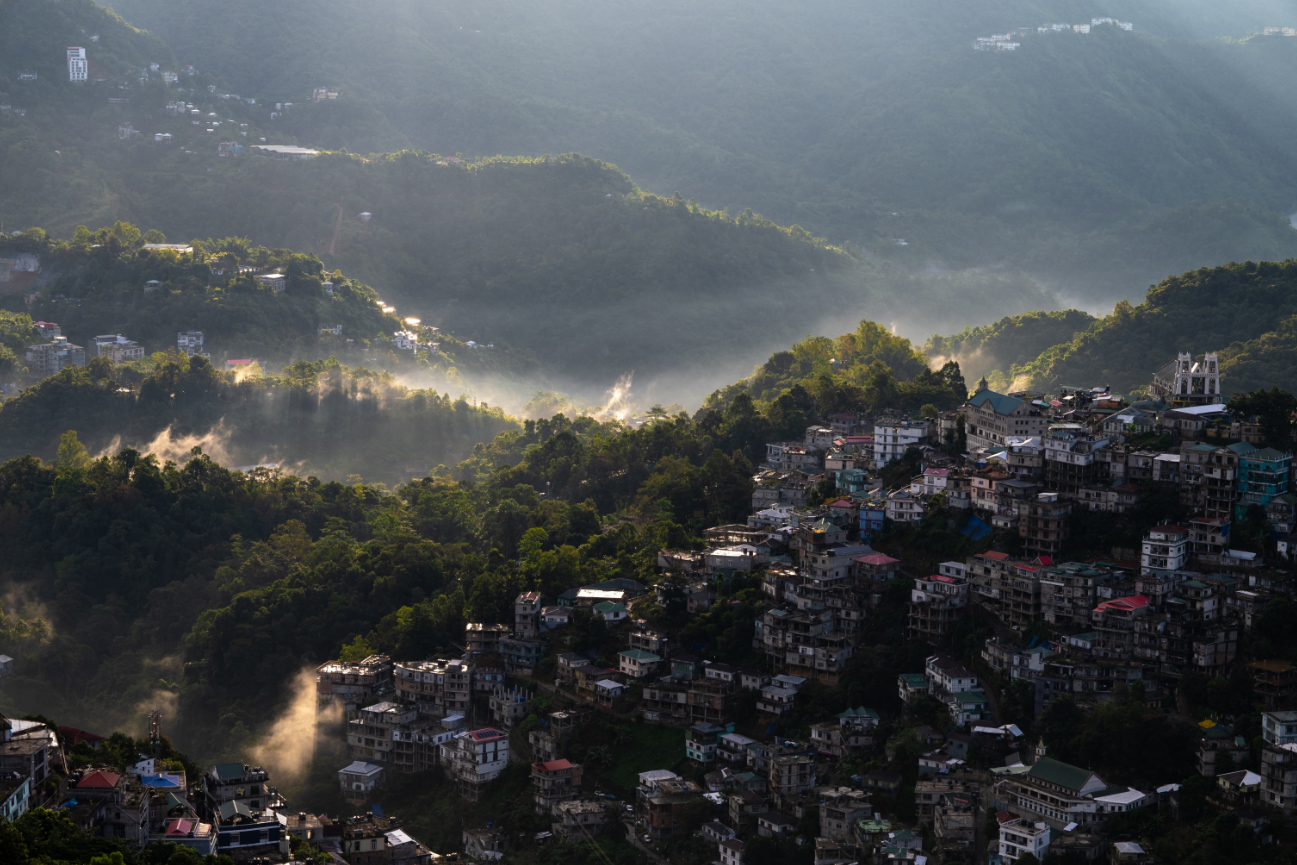
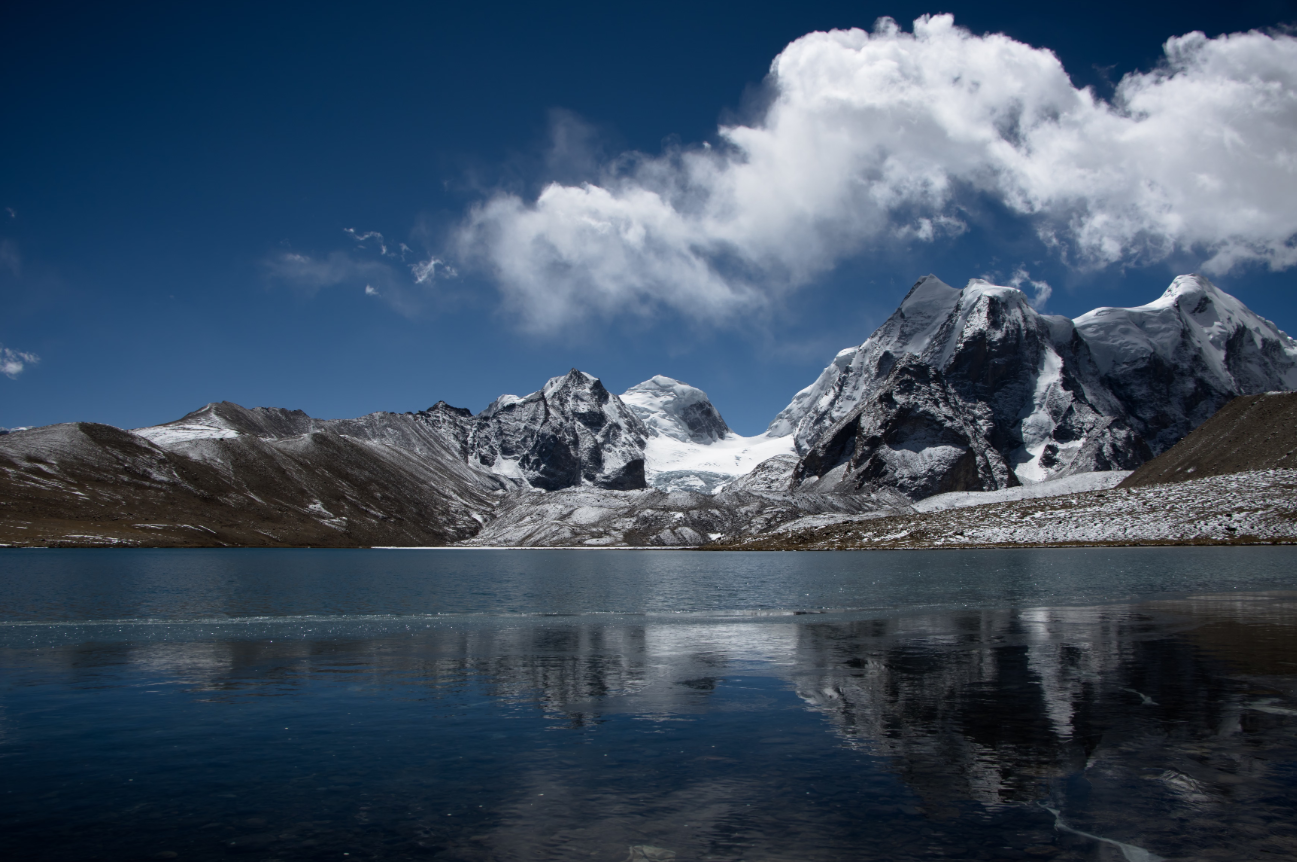
India's mountain landscapes include towering Himalayan peaks, ancient rocky hills, forest-covered ridges and biodiversity-rich ranges along the western and eastern coasts. The mountain ranges in india influence the country's climate, river systems, forests, agriculture and settlement patterns. They also support tourism, wildlife habitats and culturally important pilgrimage routes.
From the high Himalayas in the north to the Western Ghats in the south, each mountain system has its own geological history and ecological character. Understanding the mountain ranges in india helps explain why the country's physical geography varies so dramatically across regions, from snow-covered valleys to tropical rainforests and dry interior plateaus.
Also Read - 12 Best Places to Visit in North India for Every Type of Traveller
This post contains affiliate links. If you choose to book through them, a small commission may be earned at no additional cost to you. Your support genuinely helps keep the blog running and allows continued creation of high-quality travel guides. Thank you for being here and supporting this journey.
1. The Himalayas - India's Highest Mountain System
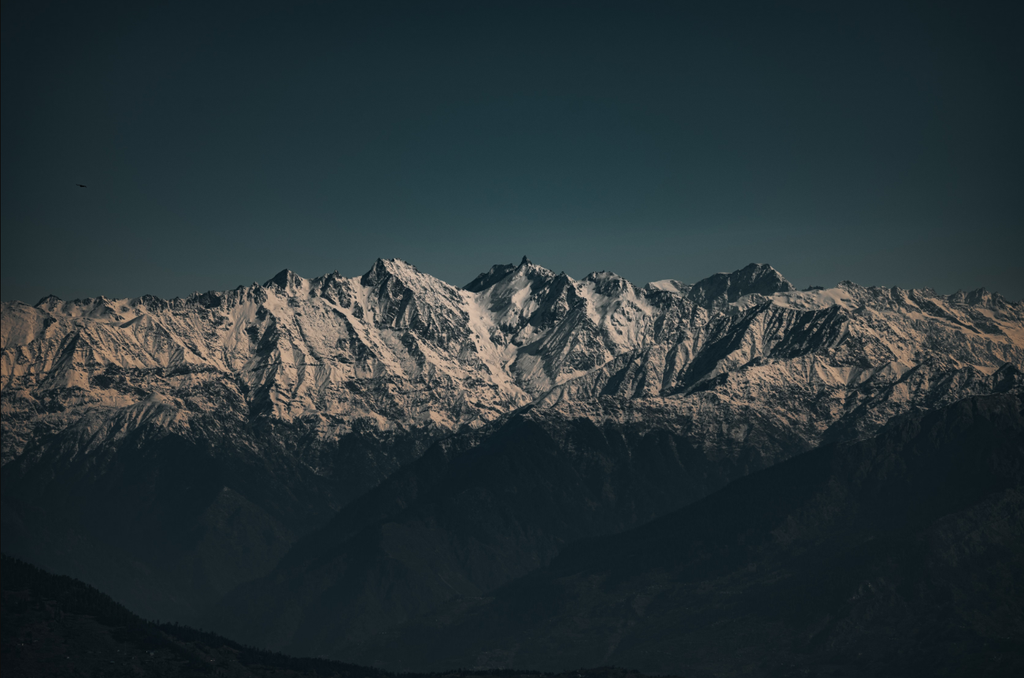
The Himalayas are the most prominent of the mountain ranges in india, extending across the northern part of the country from Jammu and Kashmir and Ladakh towards Sikkim and Arunachal Pradesh. This young fold mountain system contains some of the world's highest peaks, deep valleys, glaciers and mountain passes.
The Himalayas are commonly divided into three parallel zones: the Greater Himalayas (Himadri), the Lesser Himalayas (Himachal) and the Shiwalik Hills. Each zone differs in elevation, landscape and settlement patterns.
Geographic importance: Himalayan glaciers and snowfields feed major river systems, including the Ganga, Indus and Brahmaputra. The mountains also influence monsoon circulation and create distinctive climatic zones.
Notable destinations: Shimla, Manali, Nainital, Gangtok and Kashmir's mountain valleys.
The Himalayas are vital to India's ecology and tourism, but the region is also vulnerable to landslides, earthquakes and glacial hazards. Among the mountain ranges in india, this system has an especially strong influence on water security and northern India's landscapes.
2. The Trans-Himalayan Ranges - High-Altitude Desert Landscapes
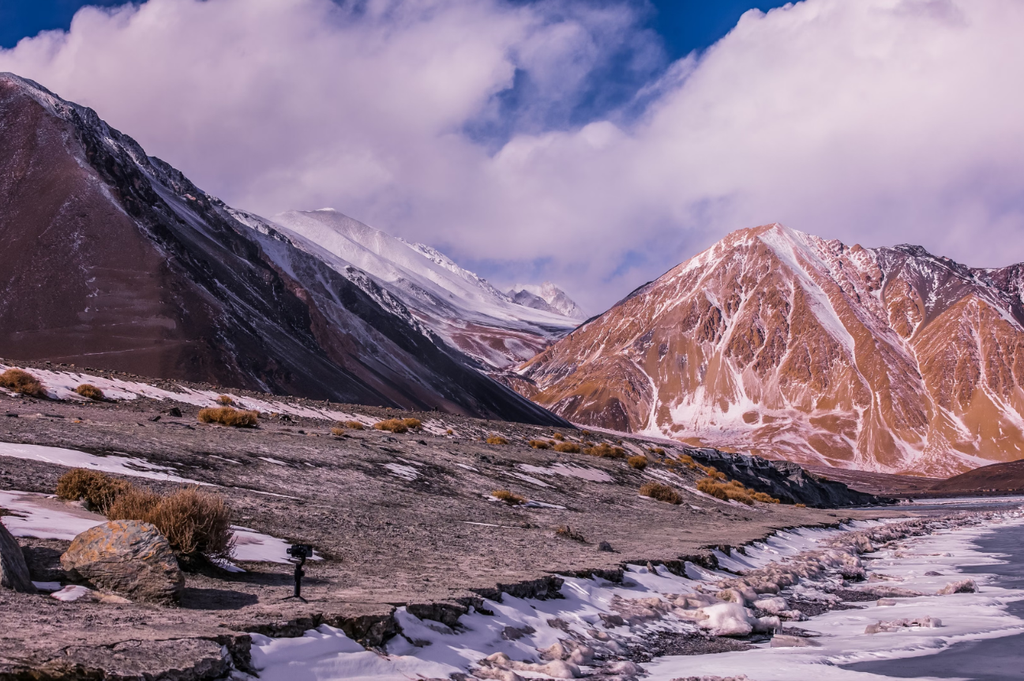
The Trans-Himalayan mountain system lies north of the main Himalayan ranges and includes areas associated with the Karakoram, Ladakh and Zanskar ranges. These mountains are characterised by high elevations, cold deserts, rugged ridges and deep valleys.
Geographic importance: The region contains glaciers, high-altitude watersheds and strategically important mountain passes. Its limited rainfall creates a stark landscape where settlements and agriculture depend heavily on available water.
Notable destinations: Leh, Nubra Valley, Zanskar and parts of Ladakh.
Tourism here requires careful preparation because high altitude can cause serious health problems. Travellers should allow time to acclimatise and check road access before setting out.
The Trans-Himalayan region adds considerable diversity to the mountain ranges in India: unlike the wetter Himalayan foothills, many of its valleys have sparse vegetation and a cold-desert climate.
3. The Purvanchal Range - Mountains of Northeast India
The Purvanchal ranges form the eastern continuation of the Himalayan mountain system around India's northeastern frontier. The Patkai, Naga, Manipur and Mizo hills are among the important hill systems associated with this region.
Geographic importance: The ranges shape local rainfall, river drainage, forest distribution and settlement patterns. Their steep slopes and deep valleys support diverse ecosystems and distinctive regional cultures.
Notable destinations: Parts of Nagaland, Manipur, Mizoram and Arunachal Pradesh.
The region receives substantial rainfall in many areas, supporting forests and rich biodiversity. However, heavy rain can also increase landslide risks and disrupt road travel.
Among the mountain ranges in india, the Purvanchal system is particularly important for understanding the geography of the Northeast, where mountain barriers, valleys and river systems influence transport and agriculture.
4. The Aravalli Range - One of the World's Oldest Mountain Systems
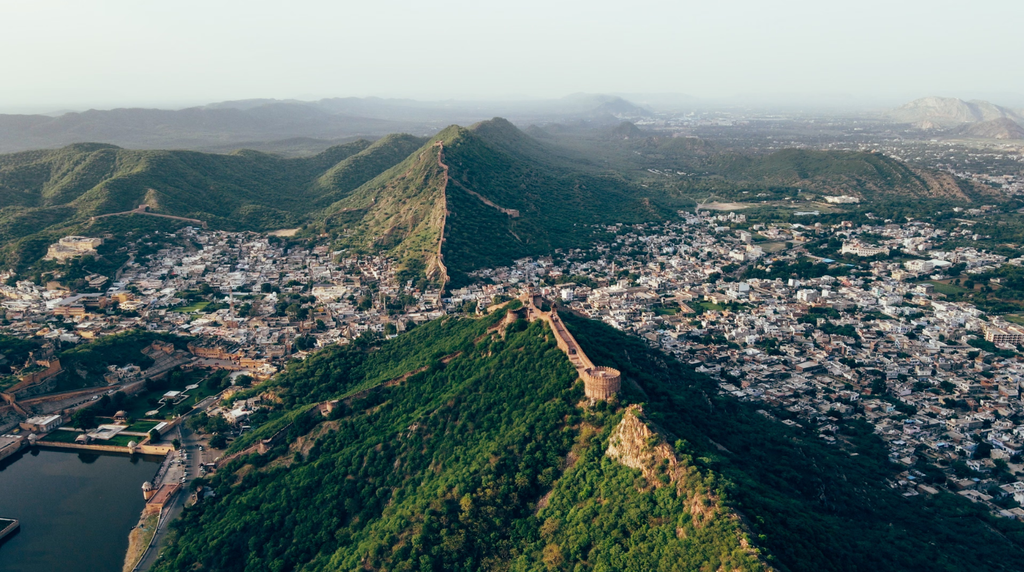
The Aravalli Range extends across parts of Gujarat, Rajasthan, Haryana and Delhi. It is an ancient mountain system whose heavily eroded ridges contrast with the much younger and higher Himalayas.
Geographic importance: The Aravallis influence regional drainage, landforms and habitats in northwestern India. They also support important forest areas and provide a natural landscape around settlements in Rajasthan.
Notable destinations: Mount Abu, Udaipur's surrounding hills and areas near the Aravalli ridges around Delhi and Haryana.
Mount Abu is the range's best-known hill-station destination, while the surrounding region also features historic forts, lakes and temples.
The Aravallis are among the most distinctive mountain ranges in india because their age and erosion have produced relatively low, rounded ridges rather than towering snow-covered peaks. Mining, urban expansion and habitat fragmentation have placed pressure on parts of the range, making conservation important.
5. The Vindhya Range - Central India's Rugged Highlands
The Vindhya Range is a broad system of hills, escarpments and plateaus across central India, particularly associated with Madhya Pradesh and neighbouring regions. It is often discussed in relation to the Central Highlands and the northern edge of the Peninsular Plateau.
Geographic importance: The Vindhyan landscape contributes to regional drainage, forest habitats and the varied topography of central India. Its sandstone formations also provide evidence of India's long geological history.
Notable destinations: Areas around Rewa, the Vindhyan escarpments and the wider central Indian plateau region.
The Vindhyas are not a single continuous wall of high peaks; instead, the name describes a broad and varied mountain-and-hill region. Their landscape differs considerably from the high Himalayas.
The Vindhyas are important among the mountain ranges in india because they help explain the transition between northern plains and the older uplands of peninsular India.
6. The Satpura Range - Forests, Valleys and Wildlife
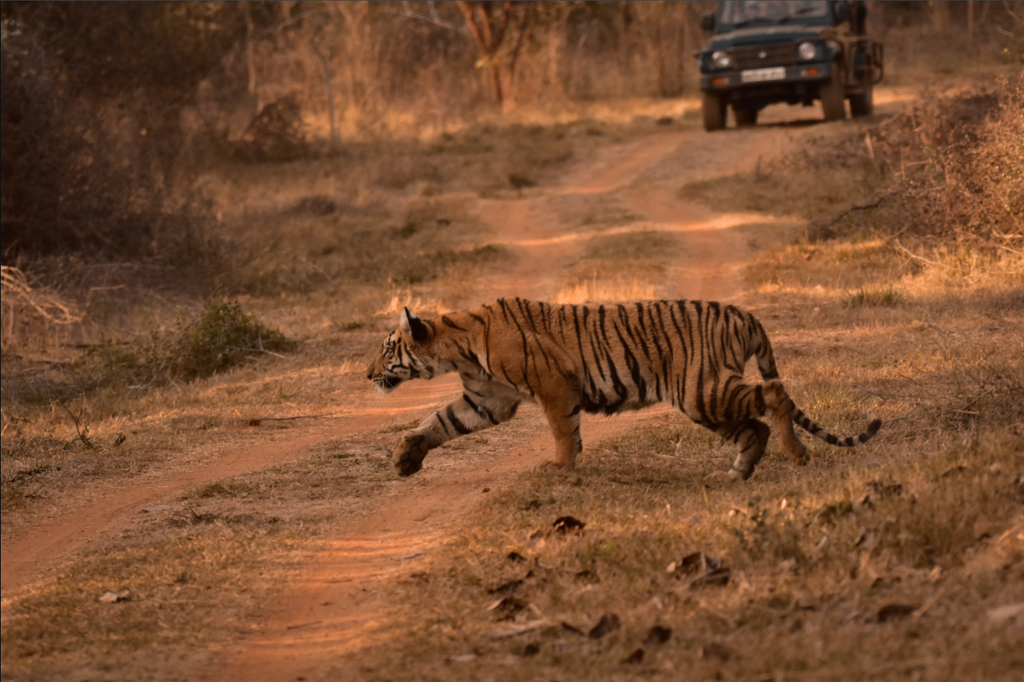
The Satpura Range lies south of the Vindhya region and extends across parts of central India, including Madhya Pradesh and Maharashtra. Its landscape includes forested hills, plateaus and river valleys.
Geographic importance: The range supports forests, wildlife habitats and important watersheds. The Narmada Valley lies between the Vindhya and Satpura systems, while the Tapti River flows through a separate valley to the south.
Notable destinations: Pachmarhi, Satpura Tiger Reserve and surrounding forest landscapes.
Pachmarhi is known for viewpoints, waterfalls, caves and wooded surroundings. The wider Satpura region is also important for wildlife conservation, although sightings depend on conditions and are never guaranteed.
Among the mountain ranges in india, Satpura stands out for its combination of forest ecosystems and central Indian plateau scenery. Protected areas in this region contribute to conservation and nature-based tourism.
7. The Western Ghats
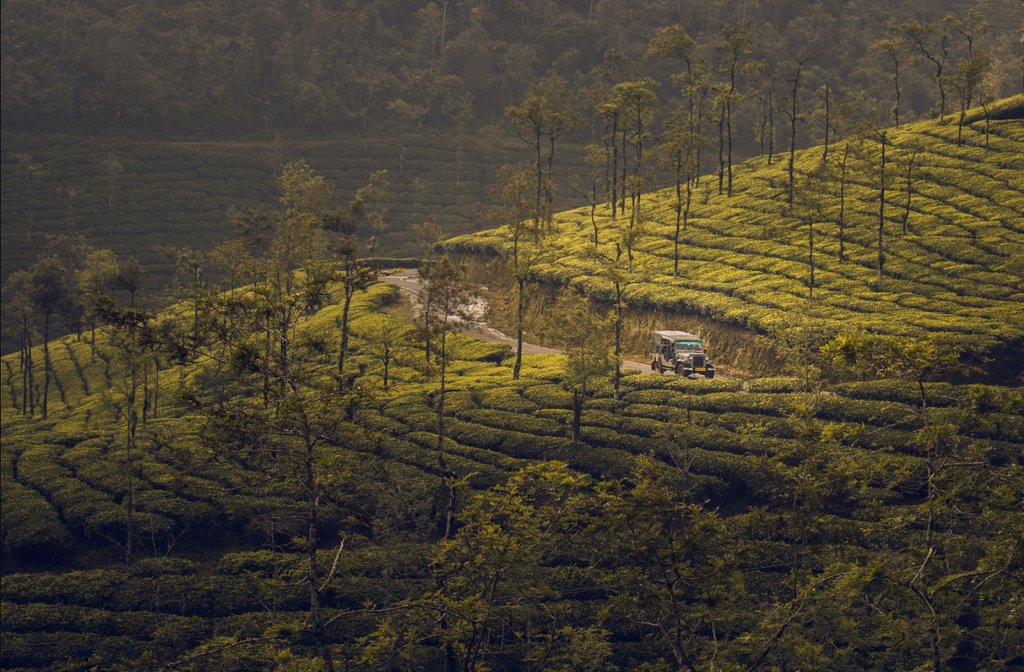
The Western Ghats, also called the Sahyadris, run parallel to India's western coast through Gujarat, Maharashtra, Goa, Karnataka, Kerala and Tamil Nadu. They are recognised as a UNESCO World Heritage property and a globally important biodiversity region.
Geographic importance: The Western Ghats influence monsoon rainfall, feed rivers and support tropical forests, grasslands and many endemic species. Their steep western slopes receive heavy rainfall in many locations, while conditions east of the mountains can be much drier.
Notable destinations: Mahabaleshwar, Munnar, Coorg, Wayanad, Ooty and the Nilgiri Hills.
The range contains important subregions, including the Nilgiris, Anaimalai Hills and Cardamom Hills. Its forests also help regulate water flows that support agriculture and settlements across peninsular India.
Among the mountain ranges in india, the Western Ghats are particularly significant for biodiversity and climate regulation. Deforestation, infrastructure development and habitat fragmentation make careful land management essential.
8. The Eastern Ghats - Discontinuous Hills Along the East
The Eastern Ghats extend through parts of Odisha, Andhra Pradesh and Tamil Nadu, with associated hill systems reaching into neighbouring regions. Unlike the Western Ghats, they are discontinuous, interrupted by major rivers including the Mahanadi, Godavari, Krishna and Kaveri.
Geographic importance: These hills support forests, watersheds, mineral resources and distinctive local ecosystems. Their gaps allow major rivers to flow eastward towards the Bay of Bengal.
Notable destinations: Araku Valley, the Nallamala Hills and hill regions of northern Tamil Nadu.
The Eastern Ghats generally have lower and more fragmented relief than the Western Ghats, although local peaks and plateaus can be substantial. Their forests provide habitats for wildlife and support communities that depend on agriculture and forest resources.
The Eastern Ghats are a key part of the mountain ranges in india because they demonstrate how ancient hills, river valleys and plateau landscapes interact across eastern peninsular India.
9. The Nilgiri Hills
The Nilgiri Hills lie at the junction of the Western and Eastern Ghats, mainly across Tamil Nadu, Kerala and Karnataka. The region is known for high plateaus, grasslands, shola forests and tea plantations.
Geographic importance: The Nilgiris support important headwaters and habitats, including ecosystems found in and around protected areas such as Mudumalai and Mukurthi.
Notable destinations: Ooty, Coonoor, Kotagiri and the wider Nilgiri Biosphere Reserve.
The Nilgiris' cooler climate has encouraged tea cultivation and hill-station tourism. At the same time, the region's natural grassland and forest mosaics are ecologically important and need protection from habitat loss and poorly planned development.
As a prominent subregion of the mountain ranges in india, the Nilgiris connect the ecological landscapes of southern India's two major Ghats systems.
10. The Anaimalai and Cardamom Hills
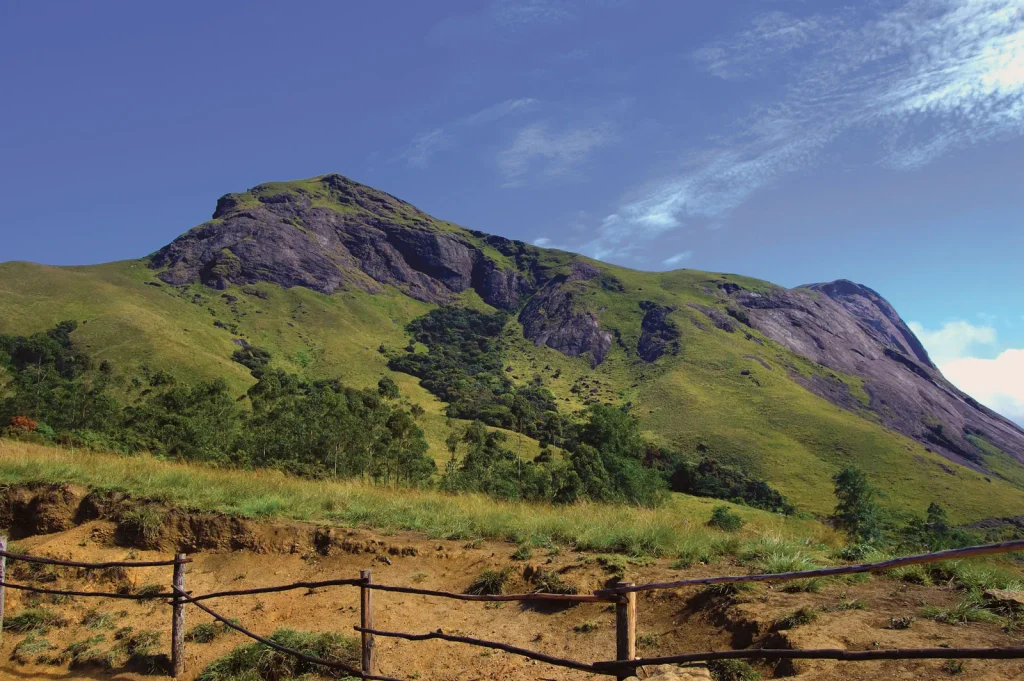
The Anaimalai Hills and Cardamom Hills form important southern sections of the Western Ghats across parts of Kerala and Tamil Nadu. They contain steep slopes, forested valleys, plantations and high-altitude ecosystems.
Geographic importance: These hills support river catchments, forest biodiversity and agricultural landscapes. Tea, coffee and spice cultivation are important in several areas, although plantation use varies by location.
Notable destinations: Valparai, the Anaimalai region, parts of Idukki and the surrounding Western Ghats landscapes.
The Cardamom Hills take their name from the spice traditionally cultivated in the region, while the Anaimalai landscape is known for forests and wildlife habitats. Visitors should follow local rules in protected areas and use responsible operators for nature excursions.
These southern highlands complete the picture of the mountain ranges in india, showing how mountain systems can support both agricultural livelihoods and highly specialised natural habitats.
Why Mountain Ranges Are Important to India?
The mountain ranges in india are important for several interconnected reasons:
- Water resources: Snowfields, glaciers and mountain rainfall feed rivers and reservoirs.
- Climate: Mountain barriers influence monsoon rainfall, temperature and regional weather.
- Biodiversity: Forests, grasslands and high-altitude habitats support numerous plant and animal species.
- Agriculture: Valleys and slopes support terrace farming, orchards, tea, coffee and spice cultivation.
- Tourism: Hill stations, trekking routes, pilgrimage destinations and wildlife reserves create livelihoods.
- Culture: Mountain communities have distinctive languages, traditions, architecture and food cultures.
These benefits are accompanied by risks, including landslides, erosion, habitat loss and pressure from unplanned construction. Responsible tourism and conservation are essential to protect mountain environments for future generations.
Final Thoughts
The mountain ranges in india are far more than geographical boundaries. The Himalayas and Trans-Himalayan ranges dominate the north, the Purvanchal hills shape the Northeast, and the Aravalli, Vindhya and Satpura systems define much of central and western India's uplands. The Western and Eastern Ghats, together with the Nilgiri, Anaimalai and Cardamom Hills, support some of the country's most important southern ecosystems.
Understanding these ranges provides insight into India's rivers, climate, biodiversity, agriculture and cultural diversity. From snow-covered peaks to ancient eroded hills and tropical forests, the mountain ranges in india reveal the remarkable variety of the country's physical landscape.