The street food in Delhi is one of the city's most distinctive cultural experiences, combining Mughlai traditions, Punjabi flavours, North Indian snacks and influences from across the country. From stuffed parathas in Chandni Chowk to spicy chaat, kebabs, jalebi and creamy kulfi, the street food in Delhi reflects the capital's long history of migration, trade and changing food traditions.
For first-time visitors, the best way to experience the street food in Delhi is through neighbourhood-based food walks. Old Delhi is the historic centre, while areas such as Karol Bagh, Connaught Place, Lajpat Nagar, Kamla Nagar and South Delhi offer their own interpretations of popular Indian snacks.
Also Read - Best Dining in Florence: Popular Restaurants and Local Food Guide
Why Delhi Is Famous for Street Food?
The street food in Delhi has developed through centuries of cultural exchange. Old Delhi, particularly Shahjahanabad, retains strong Mughlai culinary influences, while post-Partition migration helped establish Punjabi dishes and eating traditions across the capital.
Delhi Tourism describes Chandni Chowk as one of the city's major street-food destinations, with its lanes packed with halwais, snack sellers and paranthewalas.
This diversity means the street food in Delhi is not one cuisine. It is a collection of regional styles adapted to Delhi's fast-moving urban culture.
Also Read - Food Places in Amritsar: Best Places to Eat & Must-Try Foods
1. Chandni Chowk - The Heart of Delhi Street Food
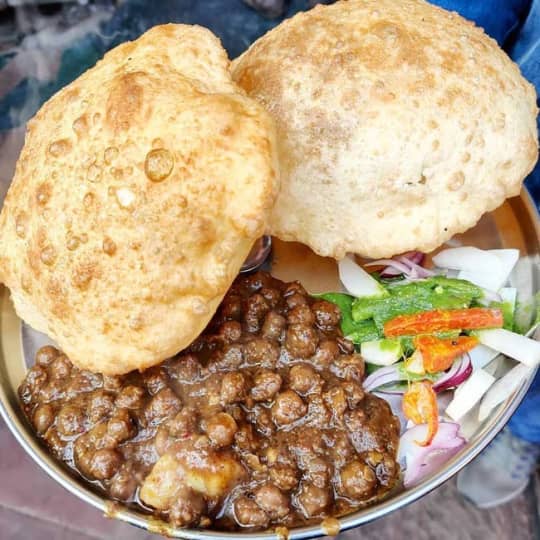
For most travellers, Chandni Chowk should be the starting point for exploring street food in Delhi. The historic market was developed in the 17th century and remains one of the capital's busiest commercial areas. Delhi Tourism specifically highlights its North Indian and Mughlai food traditions.
The narrow lanes around Chandni Chowk are packed with specialist food shops, sweet sellers, old restaurants and small counters.
What to Try
- Stuffed paratha
- Chole bhature
- Aloo tikki
- Kachori
- Jalebi
- Dahi bhalla
- Kulfi
- Nihari
- Kebabs
Allow several hours rather than trying to eat everything in one sitting.
2. Paranthe Wali Gali - Delhi's Famous Parantha Lane
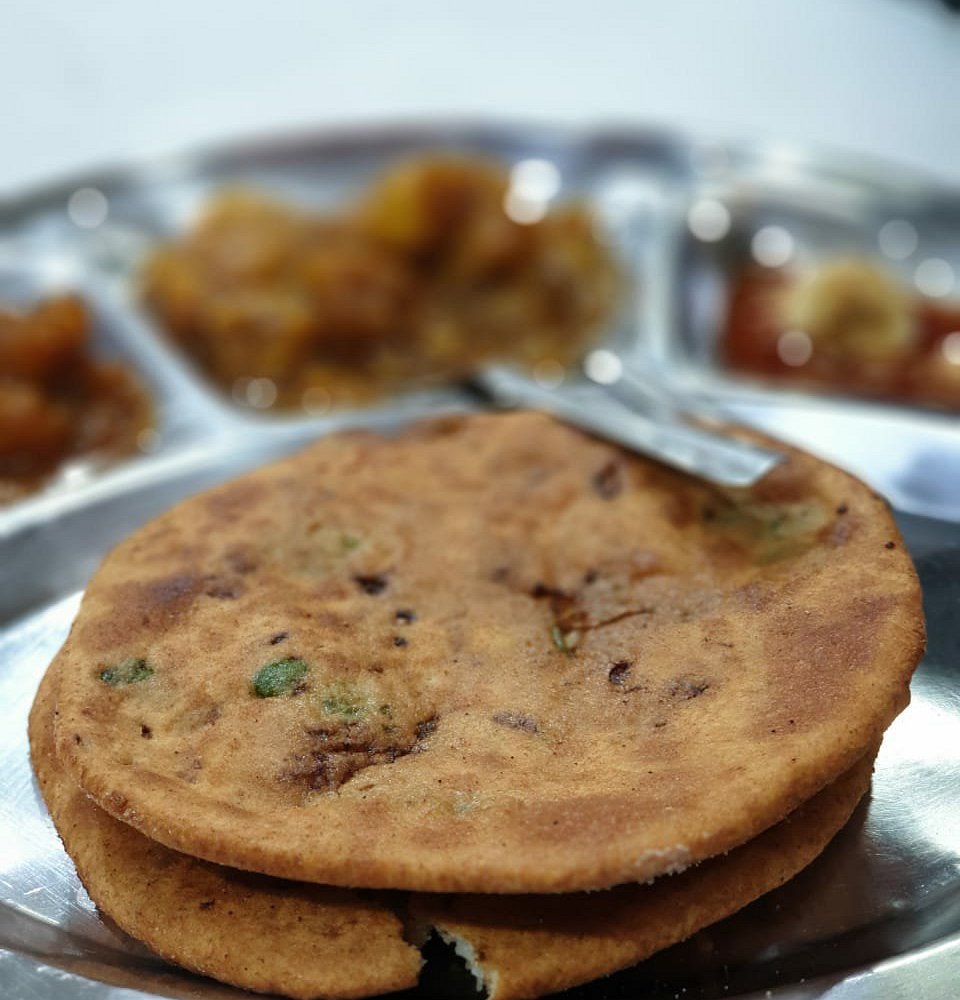
No guide to street food in Delhi is complete without Paranthe Wali Gali. The lane became famous for its parantha shops during the late nineteenth century, and it remains one of Old Delhi's best-known food streets. Delhi Tourism notes that the area's parantha tradition dates to the 1870s.
The parathas are typically stuffed, cooked with generous amounts of fat and served with accompaniments such as pickles, chutneys and vegetables.
Traditional fillings can include potato, paneer, cauliflower and other combinations.
For the best street food in Delhi experience here, visit earlier in the day when the lane is easier to navigate.
3. Chaat - Delhi's Tangy Street-Food Tradition
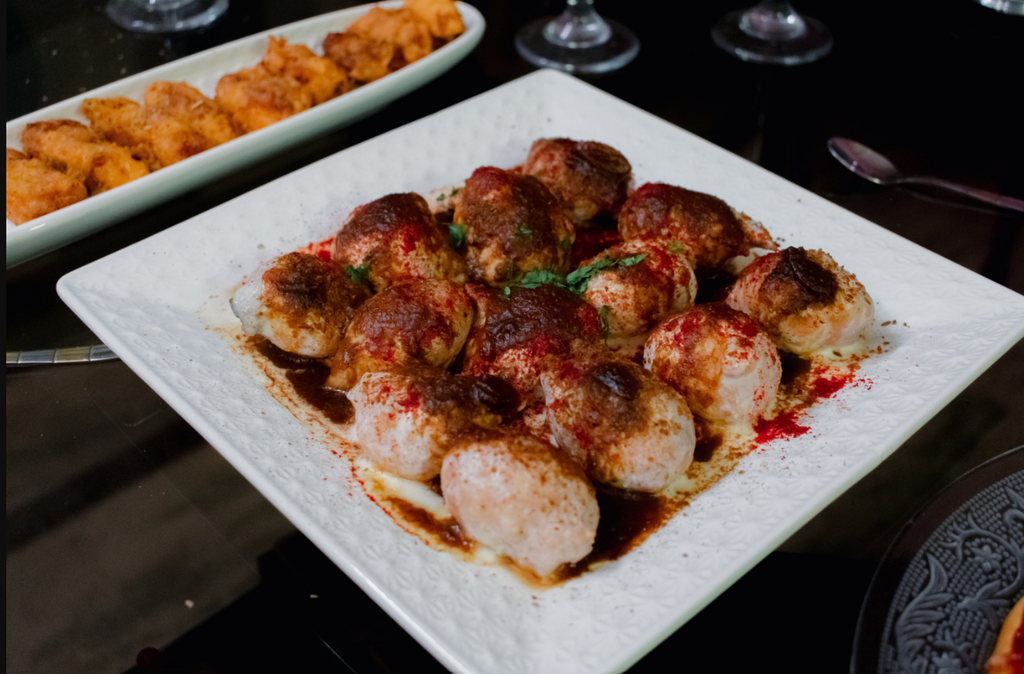
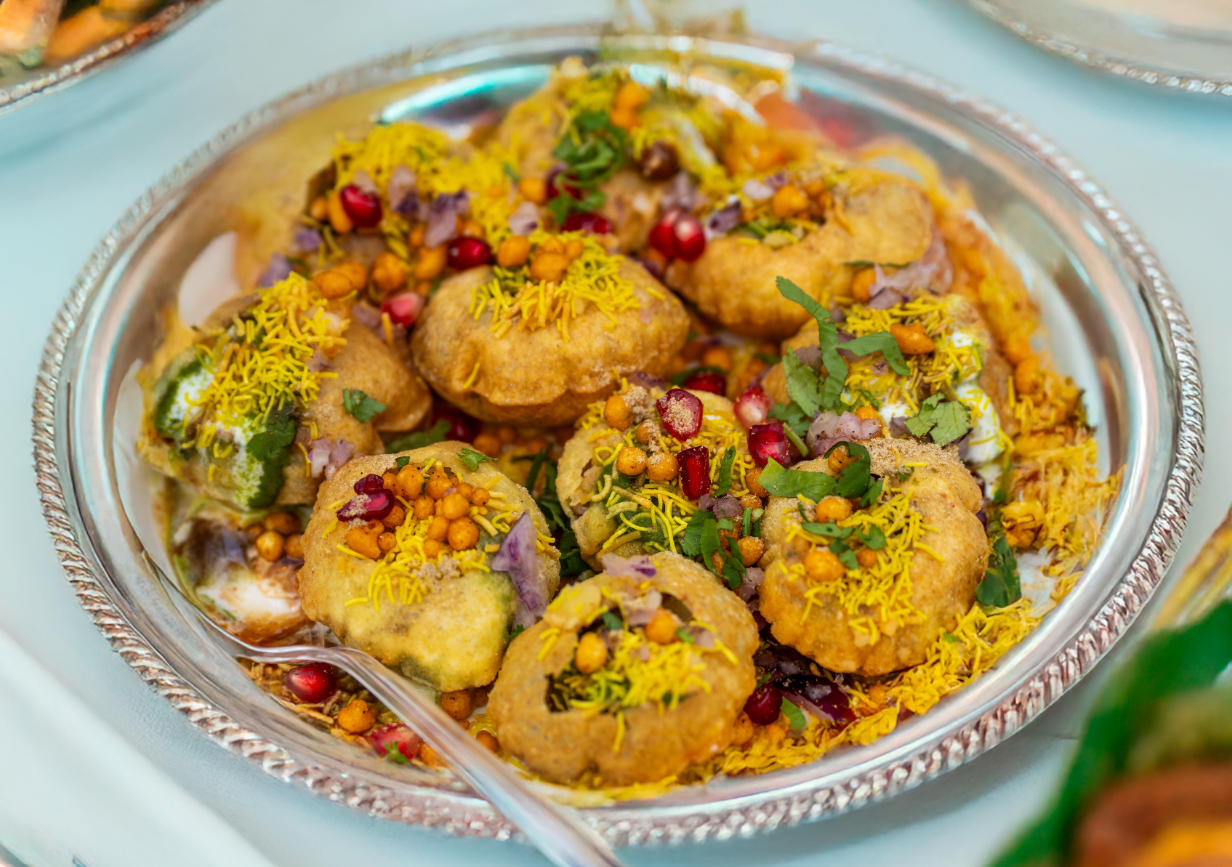
Chaat is another essential part of street food in Delhi. Its appeal comes from contrasting textures and flavours: crisp fried ingredients, yoghurt, chutneys, spices and fresh garnishes.
Popular varieties include:
- Aloo tikki
- Dahi bhalla
- Papdi chaat
- Golgappa
- Bhalla papdi
- Chole tikki
Old Delhi remains particularly famous for chaat, while other neighbourhood markets have their own long-established vendors.
A good street food in Delhi strategy is to order small portions from several vendors instead of one large plate.
4. Kachori and Samosa
Kachori and samosa are among the easiest street food in Delhi options to find. They work particularly well as breakfast or afternoon snacks.
A Delhi-style kachori may contain spiced lentils or other savoury fillings and is commonly served with chutney or a curry. Samosas are usually filled with spiced potatoes and peas.
Look for stalls with a steady stream of customers, which generally means faster turnover and freshly prepared food.
5. Chole Bhature
Chole bhature is an important part of street food in Delhi, particularly for breakfast or lunch.
The dish combines spicy chickpeas with large, fried breads. It is rich and filling, so it is better treated as a complete meal rather than one item among many.
Delhi has countless interpretations, from small neighbourhood shops to famous specialist outlets. Current Delhi food guides continue to identify chole bhature as one of the city's classic street-food dishes.
6. Jalebi - A Sweet Finish
A food walk through the street food in Delhi should finish with something sweet, and jalebi is an obvious choice.
Fresh jalebi is made by piping batter into hot oil and soaking the resulting spirals in sugar syrup. The contrast between crisp edges and syrupy centres makes it particularly satisfying when eaten fresh.
Old Delhi is home to several historic sweet shops, including businesses around Dariba Kalan and Chandni Chowk. Recent 2026 food coverage continues to highlight the area's long-running jalebi tradition.
7. Kulfi and Daulat Ki Chaat
Kulfi provides a cooling break from spicy street food in Delhi. Traditional kulfi is denser than ordinary ice cream because of the way milk is reduced before freezing.
Old Delhi also has the seasonal speciality known as Daulat Ki Chaat, a delicate whipped milk dessert traditionally associated with cooler months.
These desserts demonstrate why Delhi's food culture cannot be understood through savoury dishes alone.
8. Mughlai Food Around Jama Masjid
The street food in Delhi around Jama Masjid reflects the city's Mughlai heritage.
The lanes around Matia Mahal and Jama Masjid are particularly associated with kebabs, grilled meats, nihari, korma and other slow-cooked dishes.
For travellers who eat meat, this is one of the most important areas to include in a Delhi food itinerary. The cooking tends to emphasise smoky grilling, aromatic spices and slow braising.
Visit in the evening when the area becomes particularly active.
9. Paharganj - Affordable and Diverse Food
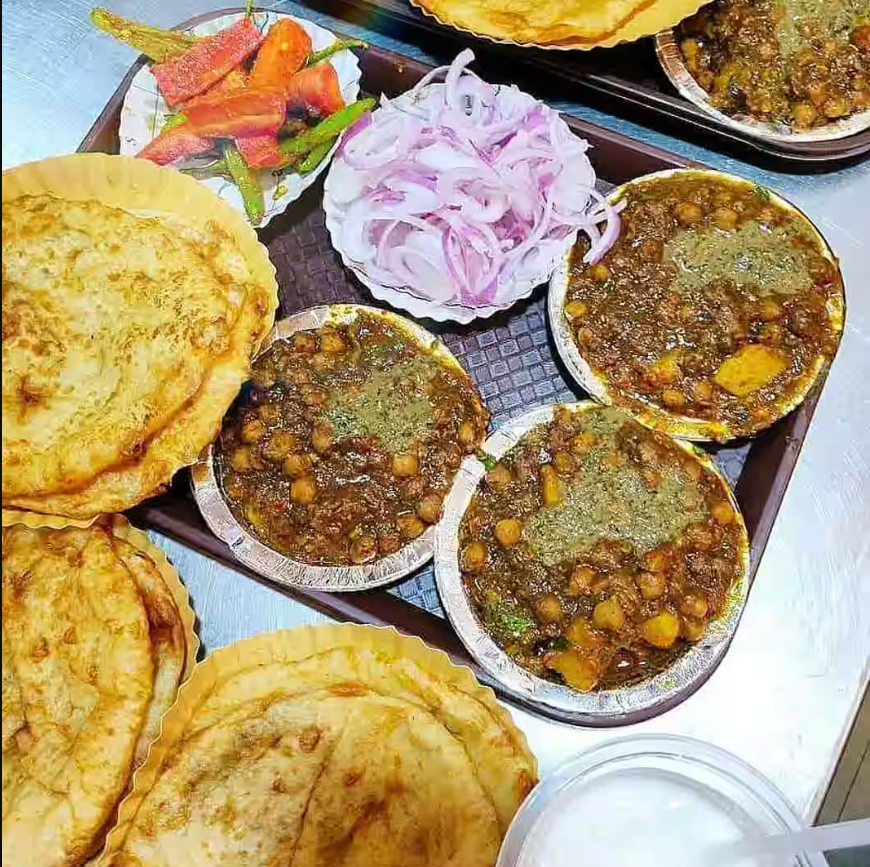
Paharganj provides a different side of street food in Delhi, with inexpensive eateries and snack shops catering to residents, travellers and shoppers.
One established example is Sita Ram Diwan Chand, known for chole bhature. Sita Ram Diwan Chand Paharganj is particularly convenient for travellers staying near New Delhi Railway Station.
10. Kamla Nagar - Popular with Students
Kamla Nagar is another useful area for experiencing street food in Delhi, particularly if you want affordable snacks and casual meals.
The neighbourhood's proximity to Delhi University has helped create a strong student-oriented food culture.
Popular choices include chole bhature, momos, sandwiches, rolls, chaats and North Indian snacks.
11. Karol Bagh - Snacks and Traditional Favourites
Karol Bagh combines shopping with an extensive food scene. Visitors exploring street food in Delhi can find chaat, kulfi, parathas, North Indian snacks and sweets around the busy market streets.
Roshan Di Kulfi is a recognised Karol Bagh option for traditional desserts and kulfi.
The area is convenient for travellers who want to combine shopping with an informal food stop.
12. South Delhi and Regional Street Food
The street food in Delhi extends far beyond Old Delhi. South Delhi neighbourhoods such as Humayunpur, Lajpat Nagar and Amar Colony have become known for regional Indian and Asian food.
Humayunpur is particularly interesting for Tibetan and Nepalese food, while Lajpat Nagar offers chaats, momos, rolls and snacks.
This newer food culture demonstrates how Delhi continues to absorb culinary influences from different parts of India and neighbouring countries.
Best Time for Street Food in Delhi
The ideal season for exploring street food in Delhi is generally October to March, when outdoor eating and walking are more comfortable.
Winter is particularly interesting because some seasonal foods become available, including Daulat Ki Chaat.
Summer afternoons can be extremely hot, so plan food walks during mornings and evenings.
During major festivals, markets can become exceptionally crowded. Allow additional time when visiting Chandni Chowk.
One-Day Delhi Street Food Trail
A practical street food in Delhi itinerary could look like this:
8:30 AM: Paranthe Wali Gali
10:00 AM: Chandni Chowk market and kachori
12:00 PM: Chaat and dahi bhalla
2:00 PM: Chole bhature
4:00 PM: Jalebi and kulfi
6:00 PM: Jama Masjid and Matia Mahal
8:00 PM: Kebabs or Mughlai dinner
The route works best when portions are kept small.
Street Food Safety Tips
When eating street food in Delhi, choose busy stalls where ingredients appear fresh and food is cooked at high heat.
Keep these points in mind:
- Choose vendors with high customer turnover.
- Eat freshly cooked food where possible.
- Drink sealed bottled or trusted filtered water.
- Be cautious with raw chutneys if you have a sensitive stomach.
- Carry hand sanitiser.
- Avoid over-ordering rich dishes.
- Check prices before ordering at informal stalls.
- Keep valuables secure in crowded markets.
The goal is to enjoy the street food in Delhi without allowing food-related problems to disrupt the rest of your trip.
Vegetarian and Non-Vegetarian Options
One advantage of street food in Delhi is the enormous choice available to both vegetarian and non-vegetarian travellers.
Vegetarian visitors can explore parathas, chaat, samosa, kachori, chole bhature, jalebi, kulfi and numerous regional snacks.
Non-vegetarian visitors can add kebabs, nihari, tandoori chicken, Mughlai curries and grilled meats around Jama Masjid and Old Delhi.
Final Thoughts
The street food in Delhi is best understood as a journey through the city's neighbourhoods. Chandni Chowk represents historic Old Delhi, Paranthe Wali Gali preserves a distinctive parantha tradition, Jama Masjid showcases Mughlai flavours, while areas such as Kamla Nagar, Karol Bagh and South Delhi demonstrate the capital's constantly changing food culture.
The strongest street food in Delhi experience does not require visiting every famous shop. Choose a few dishes, explore the surrounding streets and eat slowly enough to understand the flavours and traditions behind them.
From crisp samosas and stuffed parathas to tangy chaat, smoky kebabs, fresh jalebi and creamy kulfi, the street food in Delhi offers an edible history of one of India's most diverse cities.