Varanasi, also known as Kashi and Banaras, is one of Hinduism's most revered pilgrimage destinations. At the heart of its spiritual heritage stands Shri Kashi Vishwanath Temple, dedicated to Lord Shiva as Vishwanath, meaning the Lord of the Universe. The jyotirlinga in Varanasi attracts devotees who visit to offer prayers, seek blessings and experience the city's centuries-old religious traditions. Located near the sacred River Ganga, the temple is closely associated with the belief that Kashi offers a path towards spiritual liberation. Understanding the jyotirlinga in Varanasi involves more than visiting a shrine: it means exploring its mythology, history, daily worship and the wider sacred landscape of the ancient city.
Also Read - 10 Major Mountain Ranges in India and Their Geographic Importance
This post contains affiliate links. If you choose to book through them, a small commission may be earned at no additional cost to you. Your support genuinely helps keep the blog running and allows continued creation of high-quality travel guides. Thank you for being here and supporting this journey.
1. What Is the Jyotirlinga in Varanasi?
The jyotirlinga in varanasi is enshrined at Shri Kashi Vishwanath Temple, one of the twelve traditional Jyotirlinga shrines dedicated to Lord Shiva. The deity is worshipped as Vishwanath or Vishweshwara, names that convey Shiva's role as the Lord of the Universe.
In Hindu tradition, a Jyotirlinga represents the divine, infinite light of Shiva. Stories associated with these shrines describe Shiva manifesting as a pillar of light, symbolising his limitless nature.
For devotees, visiting the jyotirlinga in varanasi is an important act of faith. Many pilgrims combine temple darshan with prayer at the Ganga ghats, visits to other Shiva temples and participation in traditional rituals.
The shrine is particularly significant in Shaiva traditions, in which Lord Shiva is worshipped as the supreme reality. Varanasi's identity as Kashi, the sacred city, further deepens the temple's religious importance.
Also Read - Varanasi Travel Guide: Everything You Need to Know Before You Visit
2. Spiritual Significance of Kashi Vishwanath Temple
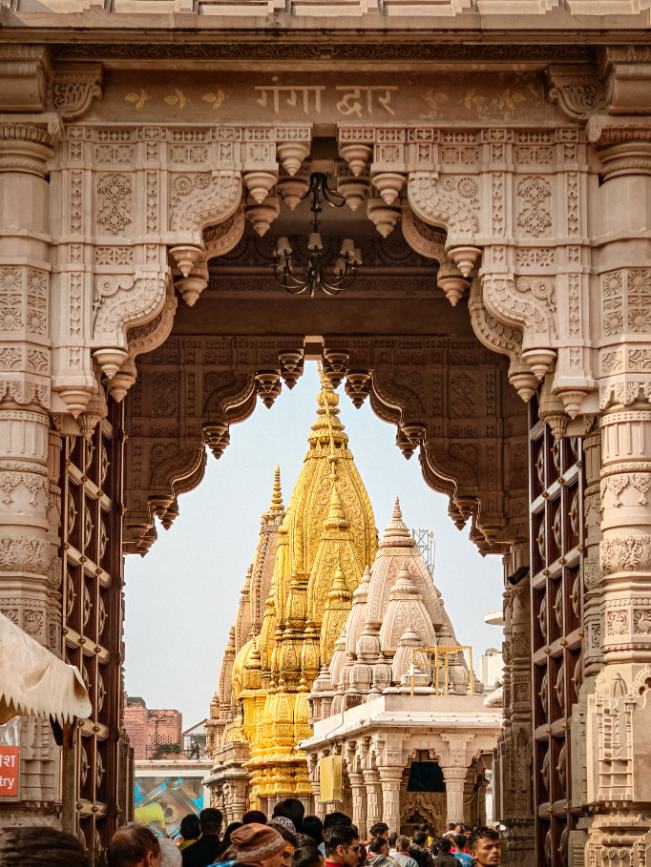
The jyotirlinga in Varanasi holds a special place in Hindu pilgrimage because Kashi is traditionally associated with spiritual knowledge, devotion and liberation, known as moksha.
Many devotees believe that worshipping Lord Vishwanath brings spiritual peace and helps them deepen their relationship with the divine. Pilgrims often visit the temple during important religious occasions, especially Maha Shivaratri and the holy month of Shravan.
The temple is also closely connected with the River Ganga. A common pilgrimage routine includes taking a ritual bath where appropriate, visiting the temple for darshan and offering prayers at nearby shrines.
For visitors, the jyotirlinga in varanasi is not simply a historic monument. It remains an active place of worship where religious customs shape everyday life. Visitors should therefore approach the temple respectfully, follow instructions from staff and allow worshippers space to perform their rituals.
3. History of Kashi Vishwanath Temple
The history of the jyotirlinga in varanasi reflects the city's long and complex past. The temple has experienced periods of destruction, rebuilding and changing political circumstances, while devotion to Lord Vishwanath has continued across generations.
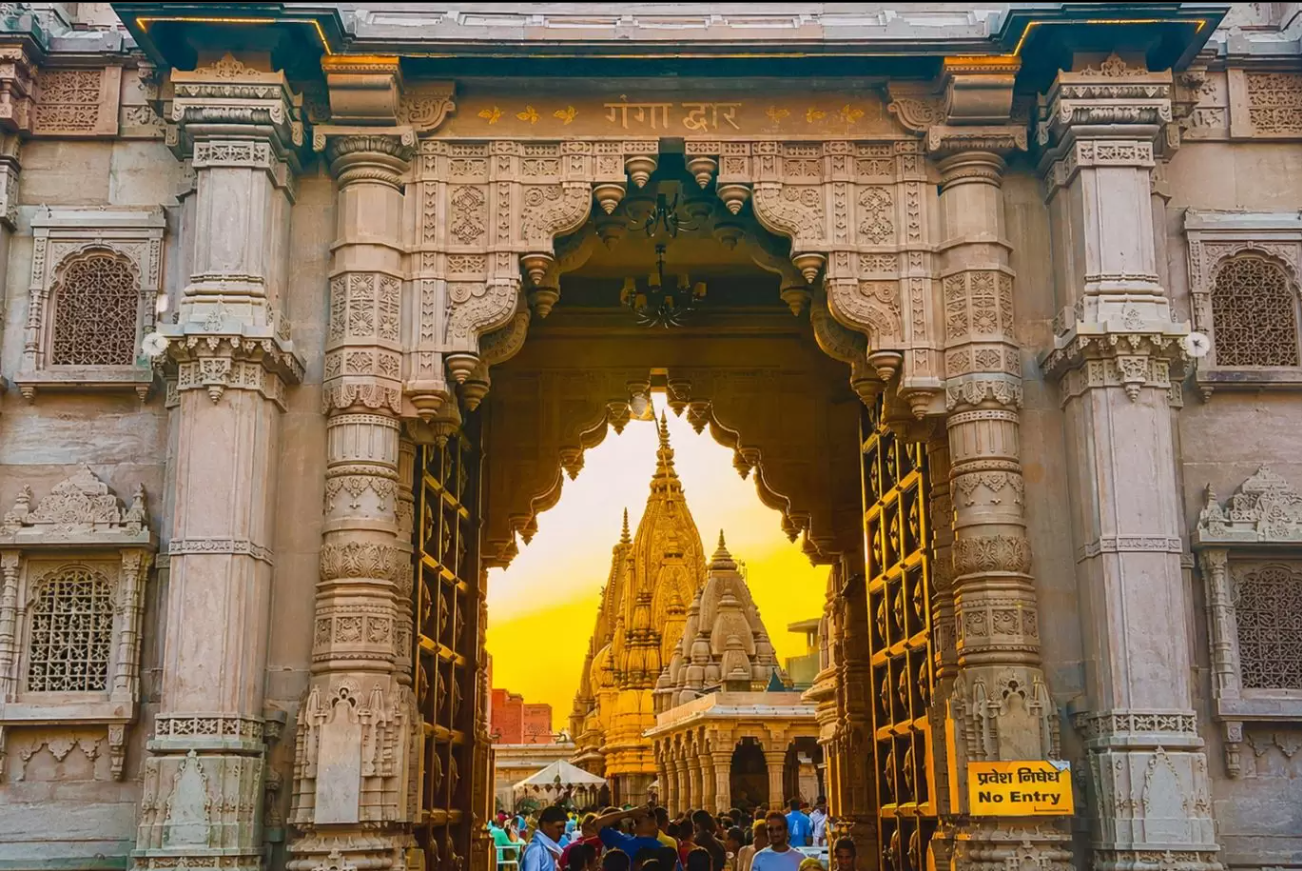
The present principal temple structure was built in 1780 under the patronage of Maharani Ahilyabai Holkar of Indore. In 1839, Maharaja Ranjit Singh donated gold used to cover two of its domes, contributing to the temple's familiar golden appearance.
In 2021, the Kashi Vishwanath Dham project was inaugurated, improving the wider pilgrimage area and creating a more direct connection between the temple complex and the Ganga riverfront.
Today, the jyotirlinga in varanasi remains a major spiritual centre, drawing pilgrims from across India and abroad. Its history illustrates the continuing importance of religious institutions in the cultural life of Kashi.
4. Location and How to Reach the Temple
The jyotirlinga in varanasi is located at Shri Kashi Vishwanath Temple in the old city, near Vishwanath Gali and the Ganga riverfront.
Address: Shri Kashi Vishwanath Temple, CK 37/40-41, Bansphatak, Varanasi, Uttar Pradesh 221001.
By air: Lal Bahadur Shastri International Airport serves Varanasi. From the airport, visitors can take a taxi or other available transport towards the city.
By train: Varanasi Junction and Banaras railway stations connect the city with many Indian destinations. Travel time to the temple area depends on traffic and the chosen route.
By road: Buses, taxis and private vehicles connect Varanasi with nearby cities. Because the old city has narrow lanes and restricted vehicle access in some areas, visitors may need to walk the final stretch.
If you are travelling to see the jyotirlinga in varanasi, allow additional time for security checks, crowds and walking through the temple approach lanes.
5. Darshan Timings and Aarti at Kashi Vishwanath
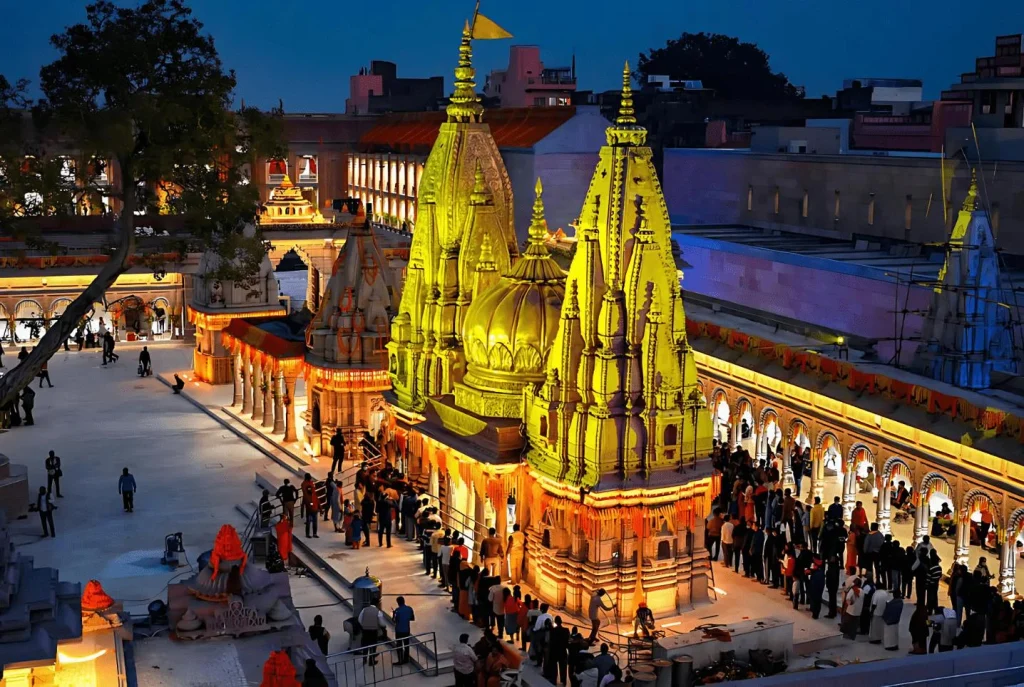
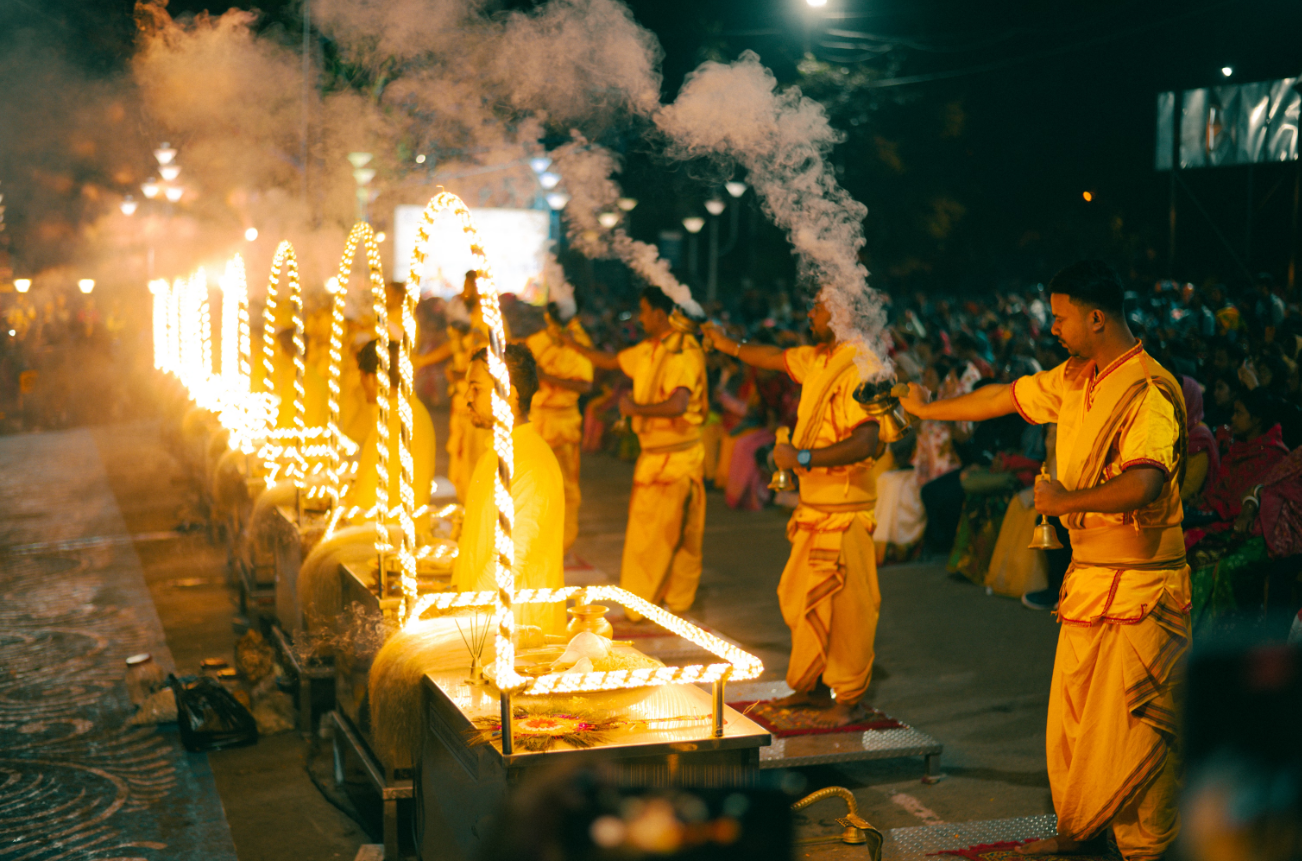
The jyotirlinga in varanasi can be visited for darshan during the temple's designated opening hours. The temple's official website lists daily worship ceremonies, including Mangala Aarti, Midday Bhog, Sapta Rishi Aarti, Shringar Bhog and Shayan Aarti.
The published schedule includes:
- Mangala Aarti: Early morning; a valid ticket is required.
- Midday Bhog Aarti: Around midday.
- Sapta Rishi Aarti: In the evening.
- Shringar Bhog Aarti: Later in the evening.
- Shayan Aarti: At night before the temple closes.
Exact timings and arrangements may change on festivals, special occasions or other notified dates. Check the official Shri Kashi Vishwanath Temple website before travelling, particularly if you want to attend a specific aarti.
General darshan and special ticketed services are different experiences. Visitors considering a quicker darshan option should review the official booking information and avoid unofficial agents. Planning ahead makes a visit to the jyotirlinga in varanasi more manageable, especially during busy pilgrimage periods.
6. What to Expect During Darshan
A visit to the jyotirlinga in varanasi usually involves security procedures, walking through designated access routes and waiting with other devotees. The experience may be brief during crowded periods, so it is helpful to prepare mentally and avoid scheduling other activities too closely around your visit.
Keep your belongings minimal and follow the current rules about mobile phones, cameras and other restricted items. Storage facilities and entry procedures should be confirmed with the temple authorities.
Devotees may choose to offer prayers or participate in permitted worship services. Follow instructions from temple staff regarding offerings and access to restricted areas.
For a meaningful visit to the jyotirlinga in varanasi, focus on the spiritual experience rather than trying to take photographs or spend a particular amount of time inside the shrine. Patience and respectful conduct are especially important during major festivals.
7. Important Places to Visit Near Kashi Vishwanath Temple
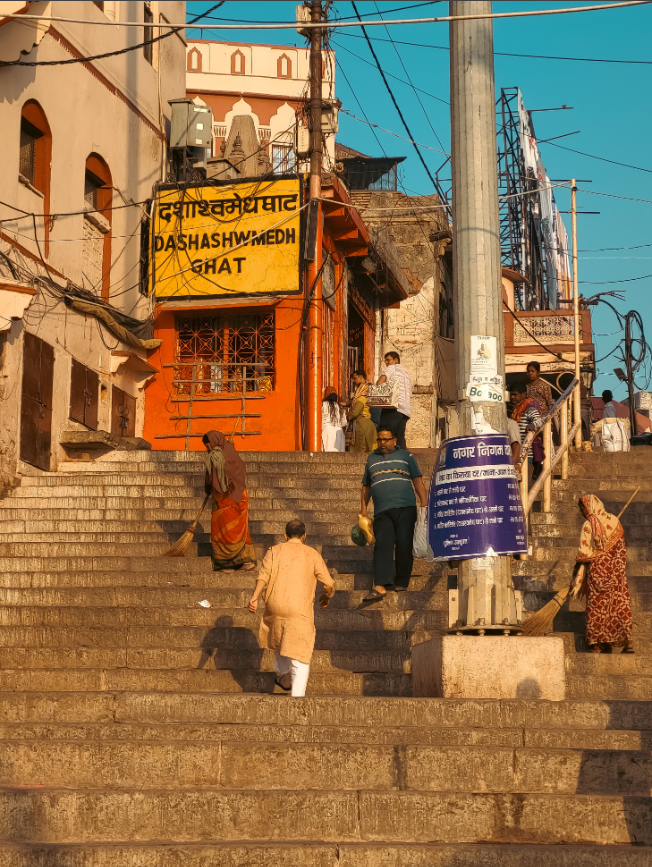
The jyotirlinga in varanasi can be part of a wider pilgrimage through the city's sacred sites. Several important temples and riverfront locations are within reach of the main shrine.
Annapurna Temple
Located near Kashi Vishwanath Temple, Annapurna Temple is dedicated to Goddess Annapurna, associated with nourishment and food. Many pilgrims include it in the same visit.
Kal Bhairav Temple
Kal Bhairav is traditionally regarded as the guardian of Kashi. Devotees often visit this temple as part of their pilgrimage through the city.
Dashashwamedh Ghat
This is one of Varanasi's best-known ghats, associated with the evening Ganga Aarti. Arrive early if you wish to observe the ceremony from a suitable viewing area.
Manikarnika Ghat
Manikarnika is a major cremation ghat with deep religious significance. Visitors should behave sensitively, avoid intrusive photography and respect families and funeral rites.
River Ganga
Many pilgrims combine darshan at the jyotirlinga in varanasi with time beside the Ganga. A boat ride can offer a different view of the ghats, but follow local safety guidance and use authorised operators.
8. Best Time to Visit the Jyotirlinga in Varanasi
The jyotirlinga in varanasi can be visited throughout the year, but the experience differs by season.
October to March: Cooler weather generally makes walking around the old city more comfortable. This is a popular period for sightseeing and pilgrimage.
April to June: Temperatures can be very high. If visiting during this period, carry water, wear suitable clothing and avoid unnecessary exposure to the midday sun.
July to September: The monsoon can bring rain, humidity and changing river conditions. Check weather forecasts before planning boat trips or long walks along the ghats.
Maha Shivaratri and Shravan: These are particularly important periods for Shiva devotees. The temple can be exceptionally crowded, and special arrangements may apply.
For a less demanding visit to the jyotirlinga in varanasi, consider travelling outside major festival dates and check the temple's latest notices before departure.
9. Practical Tips for Pilgrims
Before visiting the jyotirlinga in varanasi, keep these points in mind:
- Verify timings: Use the official temple website for current darshan and aarti schedules.
- Check ticket requirements: Some ceremonies and special darshan services require advance booking.
- Dress respectfully: Wear clothing appropriate for an active place of worship.
- Travel light: Security restrictions may limit what you can carry inside.
- Allow extra time: Crowds, security checks and narrow lanes can slow access.
- Respect local customs: Follow staff instructions and avoid intrusive photography around worshippers.
- Stay hydrated: Varanasi can be hot and humid, particularly in summer.
These preparations help visitors focus on prayer and the cultural experience surrounding the jyotirlinga in varanasi rather than dealing with avoidable travel difficulties.
10. A Simple One-Day Pilgrimage Itinerary
A well-paced day can combine the jyotirlinga in varanasi with a few nearby sacred places.
Early morning: Visit Kashi Vishwanath Temple for darshan, after checking the current opening schedule.
Morning: Visit Annapurna Temple and explore the surrounding historic lanes.
Afternoon: Rest, have a meal and explore nearby cultural sites according to your interests.
Late afternoon: Walk towards the Ganga riverfront and visit a ghat.
Evening: Attend the Ganga Aarti at Dashashwamedh Ghat, allowing time to find a suitable viewing position.
This itinerary can be adjusted for crowd levels, aarti bookings and personal religious practices. If you wish to attend Mangala Aarti or another special ceremony, organise that part of your visit first.
Final Thoughts
The jyotirlinga in varanasi at Kashi Vishwanath Temple is one of India's most significant Shiva pilgrimage destinations. Its spiritual importance, complex history and continuing traditions make it central to the religious identity of Varanasi.
A rewarding visit combines darshan with an understanding of the temple's customs and the wider sacred landscape of Kashi. Check official timings, plan around crowds and approach the temple with patience and respect. For devotees and culturally curious travellers alike, the jyotirlinga in varanasi offers an opportunity to experience one of India's most enduring centres of faith.