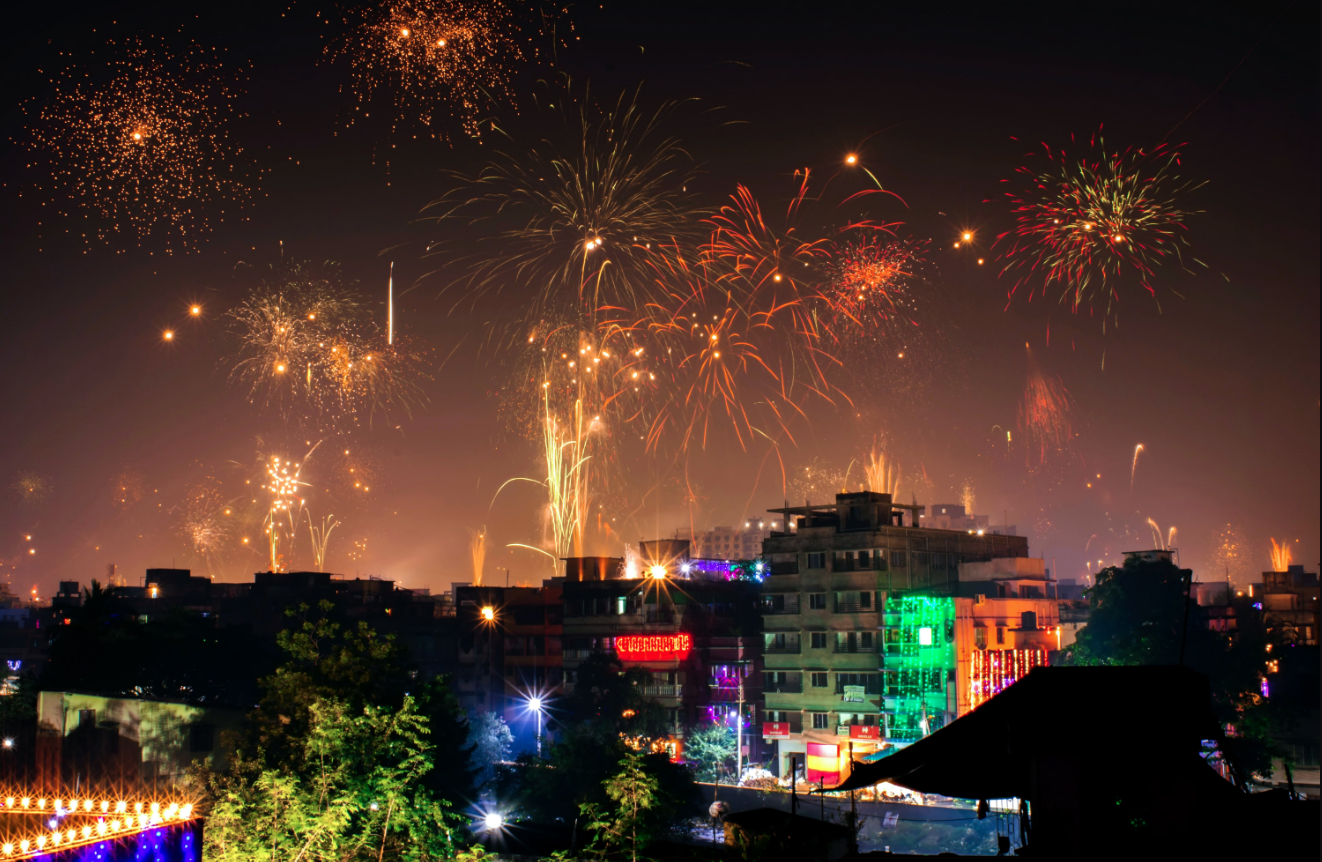
Ayodhya Diwali is a special experience for pilgrims and travellers who want to see the Festival of Lights in the city associated with Lord Rama. According to the Ramayana tradition, people illuminated Ayodhya with lamps to welcome Rama, Sita and Lakshmana home after fourteen years of exile. Today, the city's festive atmosphere centres on temple visits, devotional ceremonies and Deepotsav, when earthen lamps illuminate the ghats along the Saryu River.
The Ayodhya Diwali experience combines religious significance with cultural performances and spectacular evening views. In 2026, Diwali falls on 8 November, while the official Incredible India listing gives 6 November 2026 as the date for Ayodhya Deepotsav; confirm the final event schedule locally before travelling.
Also Read - 10 Memorable Indian Destinations for a Diwali Holiday
This post contains affiliate links. If you choose to book through them, a small commission may be earned at no additional cost to you. Your support genuinely helps keep the blog running and allows continued creation of high-quality travel guides. Thank you for being here and supporting this journey.
What Makes Ayodhya Diwali Special?
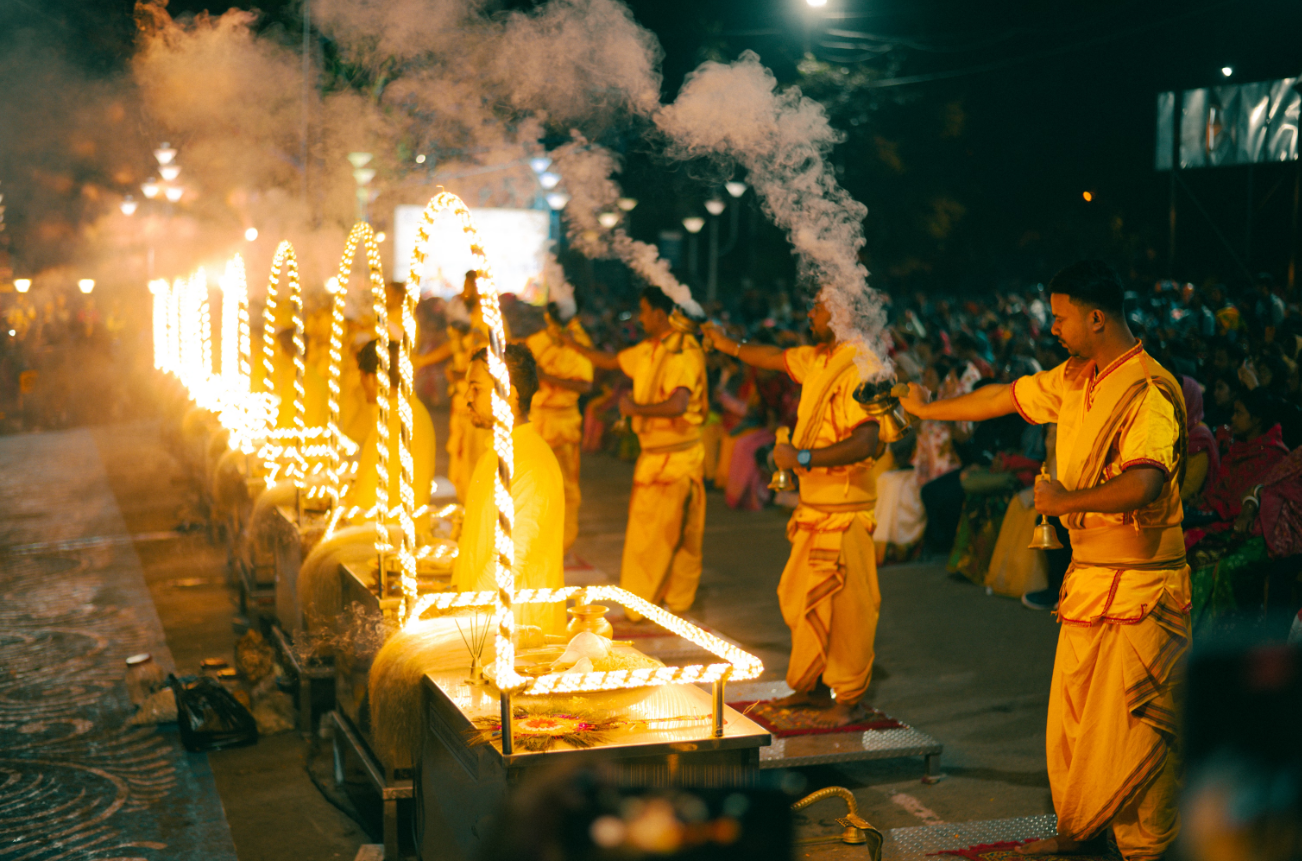
The main attraction of Ayodhya Diwali is Deepotsav, a large-scale celebration that transforms the riverfront into a landscape of glowing diyas. Ram Ki Paidi, a series of steps and ghats beside the Saryu River, is especially significant during the festival. Visitors may experience lamp-lighting ceremonies, devotional singing, cultural performances and aarti, depending on the official programme.
The festival symbolises the victory of good over evil and the return of Lord Rama to his kingdom. For many devotees, Ayodhya Diwali is not simply a visual spectacle; it is also an opportunity to pray, reflect and participate in a living religious tradition. The atmosphere becomes particularly moving after sunset, when the lamps reflect on the river.
Best Places to Visit During Ayodhya Diwali
01 Shri Ram Janmabhoomi Temple
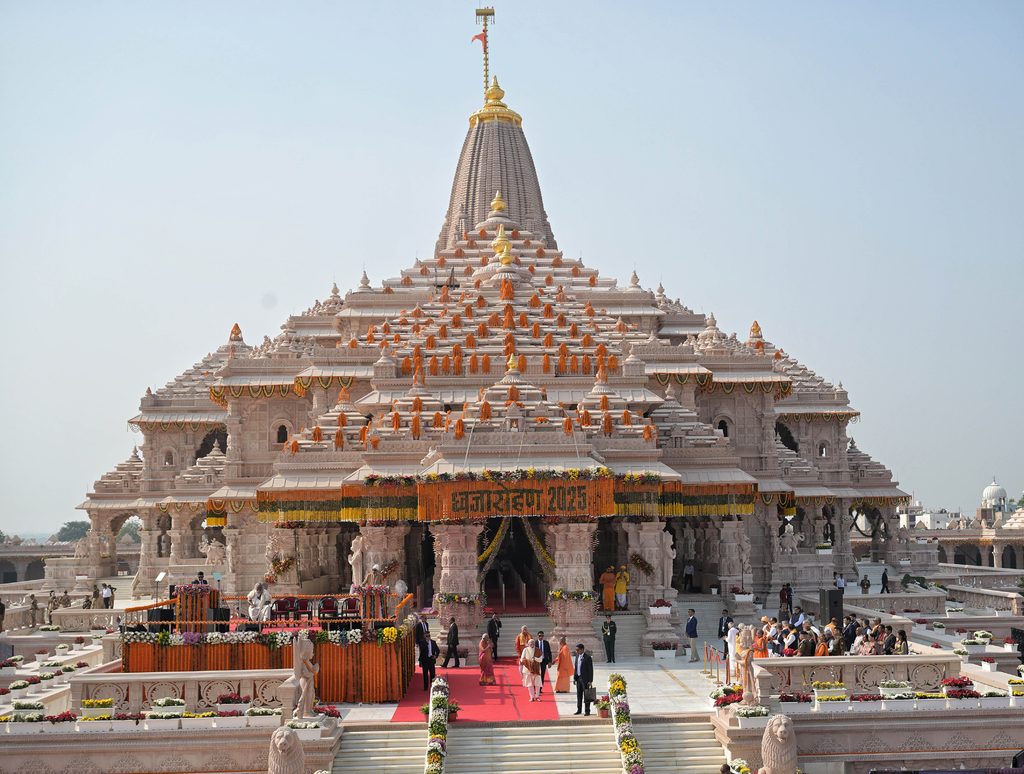
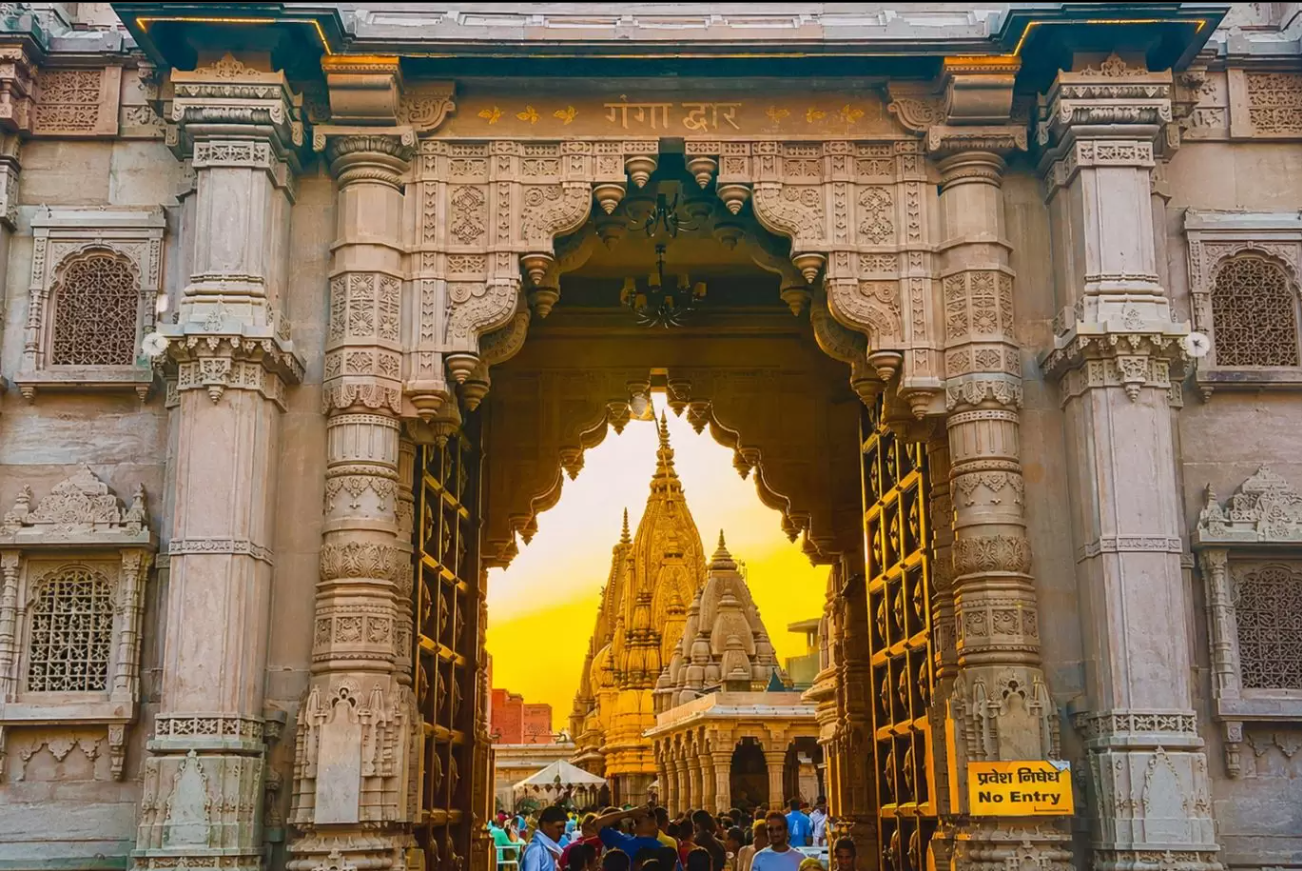
The Shri Ram Janmabhoomi Temple is a central destination for pilgrims visiting during Ayodhya Diwali. Devotees come for darshan and prayers at the temple associated with Lord Rama's birthplace. Expect security checks, queues and possible changes to entry arrangements during the festive period. Check the temple trust's official announcements before setting out.
02 Ram Ki Paidi
Ram Ki Paidi is one of the most recognisable locations for Ayodhya Diwali celebrations. The ghats become especially atmospheric during Deepotsav, with lamps, devotional ceremonies and crowds gathering beside the Saryu. Arrive early if public access is permitted, and follow barriers and instructions from event staff.
03 Hanuman Garhi
Hanuman Garhi is an important temple dedicated to Lord Hanuman. Many pilgrims include it in their Ayodhya visit alongside Ram Mandir. During Ayodhya Diwali, the temple area may be busy, so allow extra time for walking and queues.
04 Kanak Bhawan
Kanak Bhawan is known for its association with Lord Rama and Goddess Sita. Its devotional atmosphere and traditional architecture make it a worthwhile stop for visitors interested in Ayodhya's religious heritage. Check current visiting hours before including it in your Ayodhya Diwali itinerary.
05 Saryu Riverfront and Guptar Ghat
The Saryu Riverfront is closely connected with the city's spiritual identity. Visitors may attend the evening Saryu Aarti if it is taking place and access is available. Guptar Ghat offers another riverside setting, although event arrangements and crowd levels may differ from Ram Ki Paidi.
Ayodhya Diwali 2026: Dates and Planning
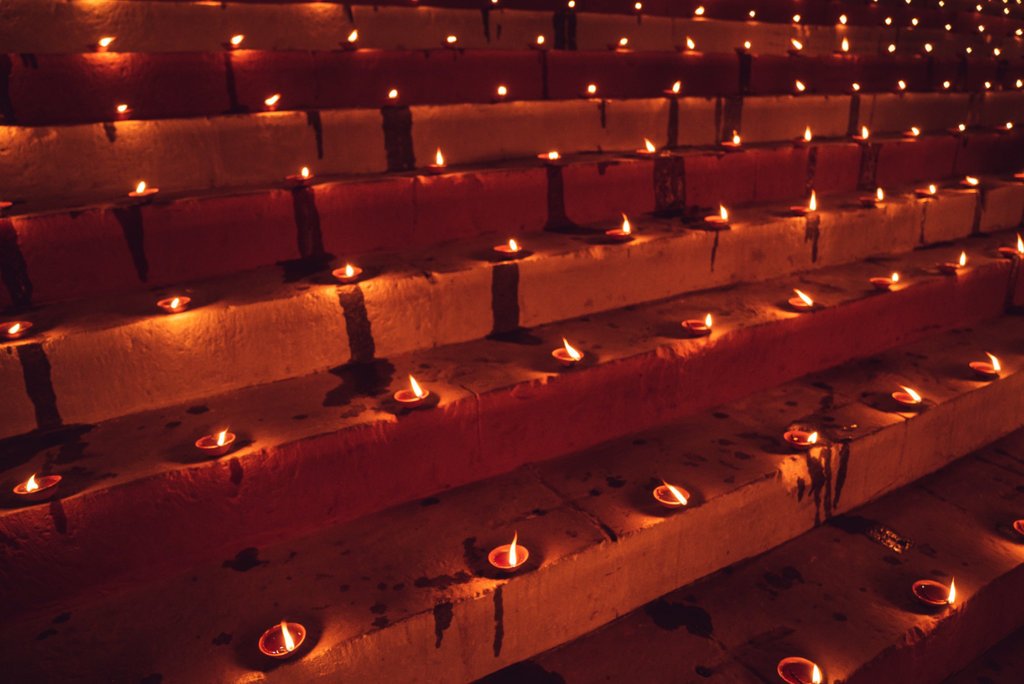
Diwali falls on Sunday, 8 November 2026. The official Incredible India listing currently identifies 6 November 2026 for Ayodhya Deepotsav. However, event programmes, access zones and timings can change, so confirm the latest announcements through Incredible India and the Ayodhya district administration.
For Ayodhya Diwali, book accommodation and transport as early as possible. Hotels can fill quickly, and road closures or crowd-control arrangements may affect transfers. A two-night stay is a practical choice: arrive before the main event, explore the temples and riverfront, and leave enough time for departure after the busiest celebrations.
Travel Tips for a Smooth Visit
- Arrive early: Festival-day traffic and security arrangements can make short journeys take much longer.
- Wear comfortable footwear: Expect walking, queues and potentially crowded routes around the ghats.
- Follow official instructions: Some areas may require registration, designated entry routes or restricted access.
- Carry essentials: Bring drinking water, any necessary medication and a charged phone, while following rules about bags and prohibited items.
- Respect religious customs: Dress modestly at temples and ask before photographing worshippers or ceremonies.
- Plan meals and transport: Confirm your return journey and meeting point before entering a crowded event zone.
These preparations help make Ayodhya Diwali more comfortable, particularly for families, older visitors and people travelling with children.
Final Thoughts
Ayodhya Diwali brings together devotion, cultural heritage and the beauty of lamps illuminating the Saryu River. Deepotsav at Ram Ki Paidi, darshan at Shri Ram Janmabhoomi Temple and visits to Hanuman Garhi and Kanak Bhawan create a meaningful itinerary for pilgrims and curious travellers alike.
If you plan to visit in 2026, verify the Deepotsav schedule, reserve your stay early and follow local crowd-management instructions. With realistic expectations and thoughtful planning, Ayodhya Diwali can offer a memorable opportunity to experience one of India's most significant festive traditions.