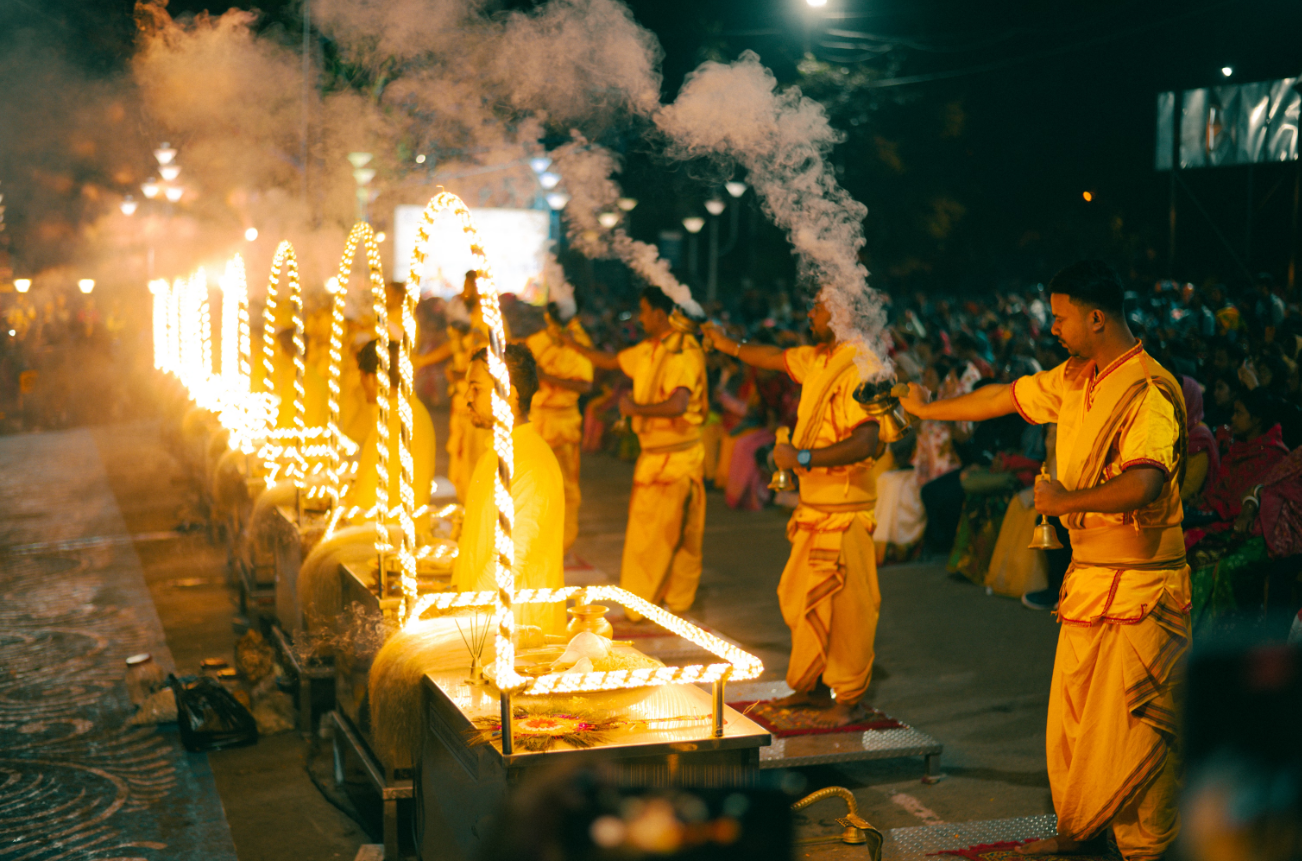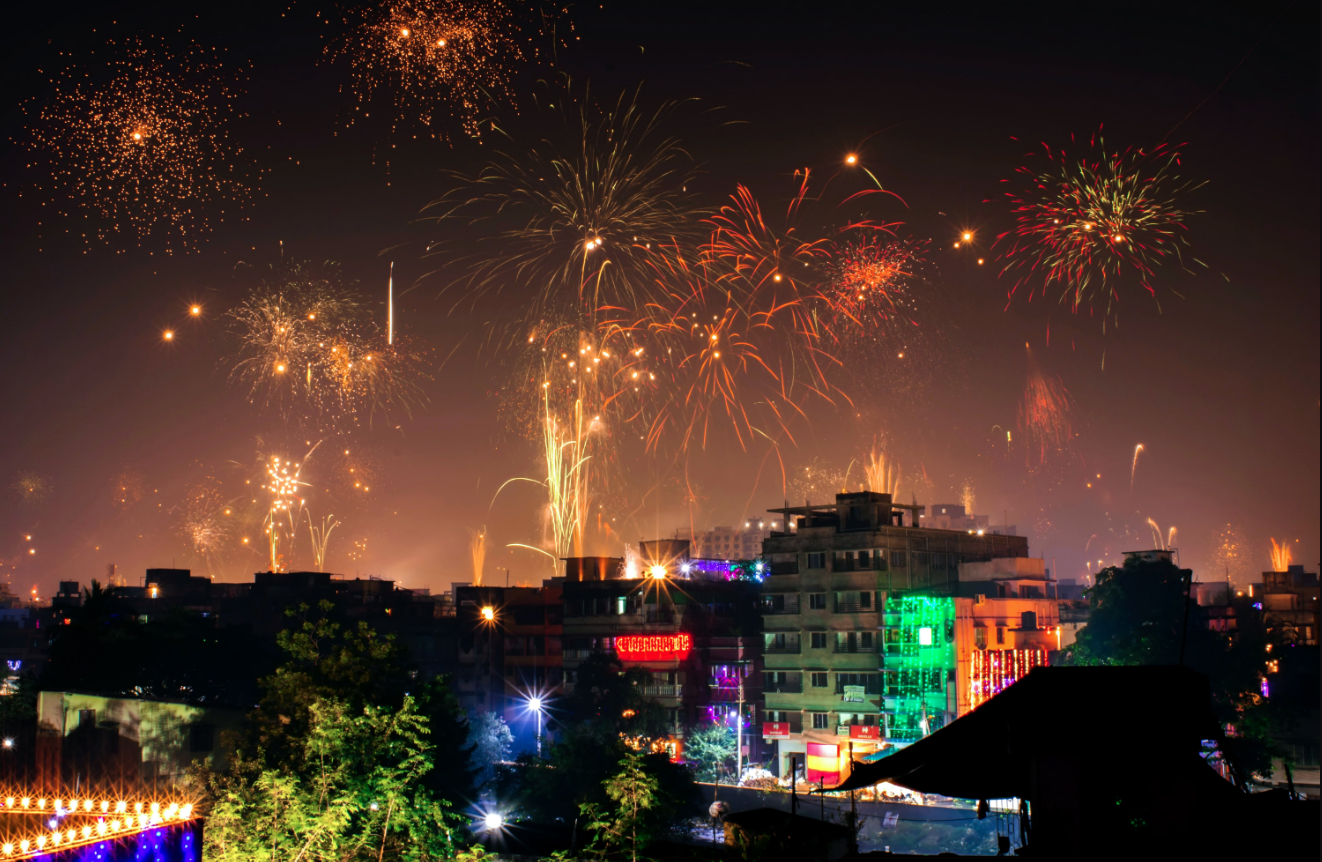
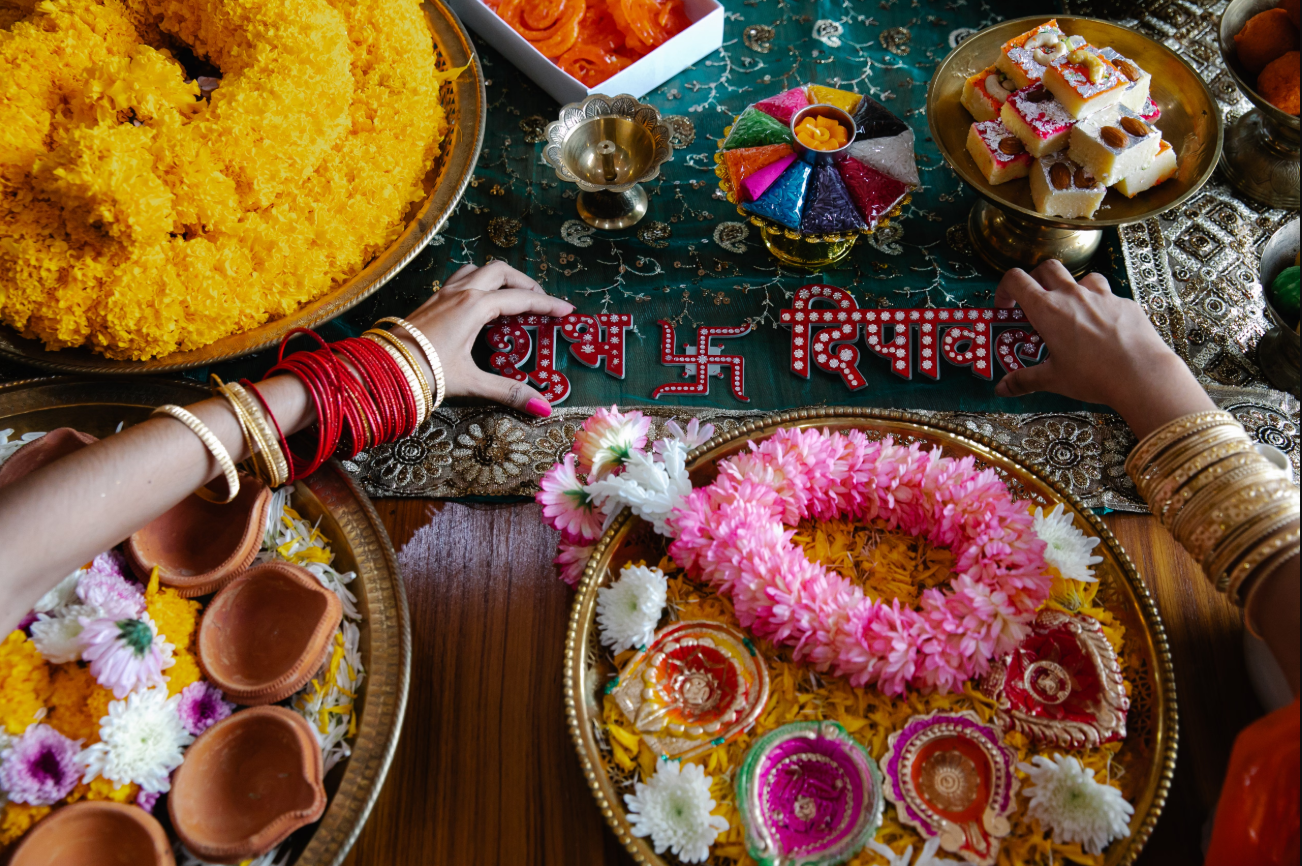
Diwali, also known as Deepavali, is traditionally celebrated over five days, although the way people observe the festival varies across regions, communities and family traditions. If you are wondering how many days do we celebrate diwali, the celebrations generally begin with Dhanteras and continue through Naraka Chaturdashi, the main Diwali day, Govardhan Puja and Bhai Dooj.
Each day has its own customs, from buying auspicious items and decorating homes to worship, sharing sweets and celebrating family relationships. Diwali usually falls in October or November, according to the Hindu lunar calendar. The festival symbolises the victory of light over darkness and good over evil, making it one of India's most widely recognised celebrations.
Also Read - Could Your Diwali Getaway Be Even More Magical with These 11 Incredible Ideas?
Why Is Diwali Celebrated for Five Days?
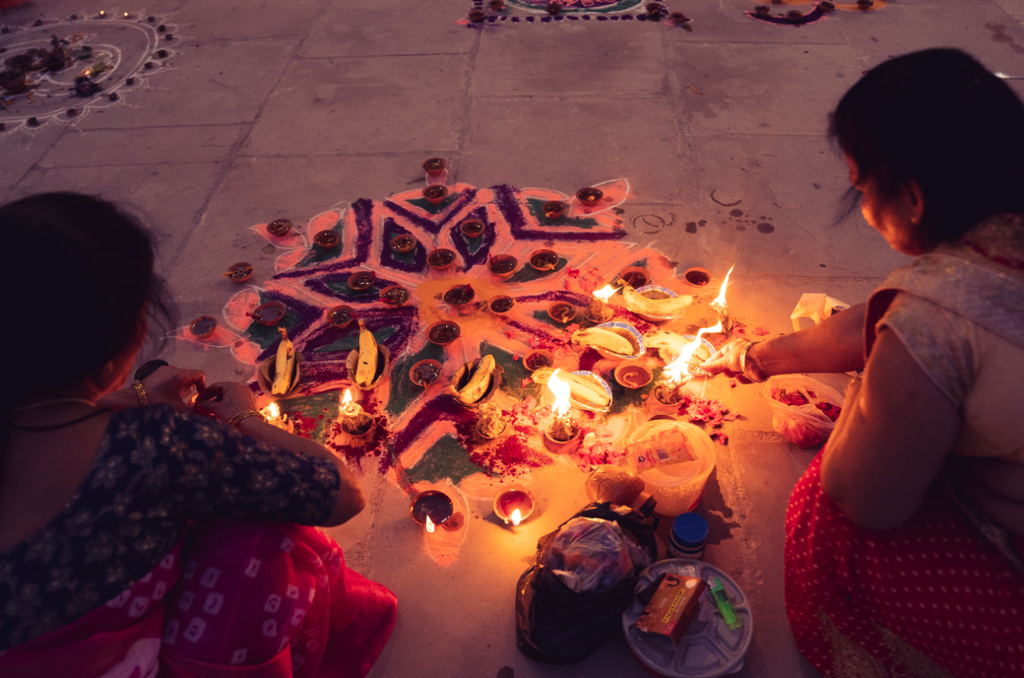
The answer to how many days do we celebrate diwali is traditionally five, with each day carrying cultural or religious significance. The festival brings families together through prayers, decorations, food, gifts and community celebrations.
For many Hindus, Diwali is associated with Lord Rama's return to Ayodhya after defeating Ravana and completing his exile. In other traditions, it celebrates Goddess Lakshmi, Lord Krishna's victory over Narakasura or other stories of divine protection and renewal. Jain communities associate Diwali with the liberation of Lord Mahavira, while some Sikh communities observe Bandi Chhor Divas around the same period.
These different traditions explain why how many days do we celebrate diwali can have slightly different answers in practice. The five-day sequence is widely recognised, but the emphasis and rituals vary by region and community.
Also Read - Kashi Vishwanath Temple: Spiritual Significance, History and Visitor Guide
The Five Days of Diwali and Their Significance
Day 1: Dhanteras - Prosperity and New Beginnings
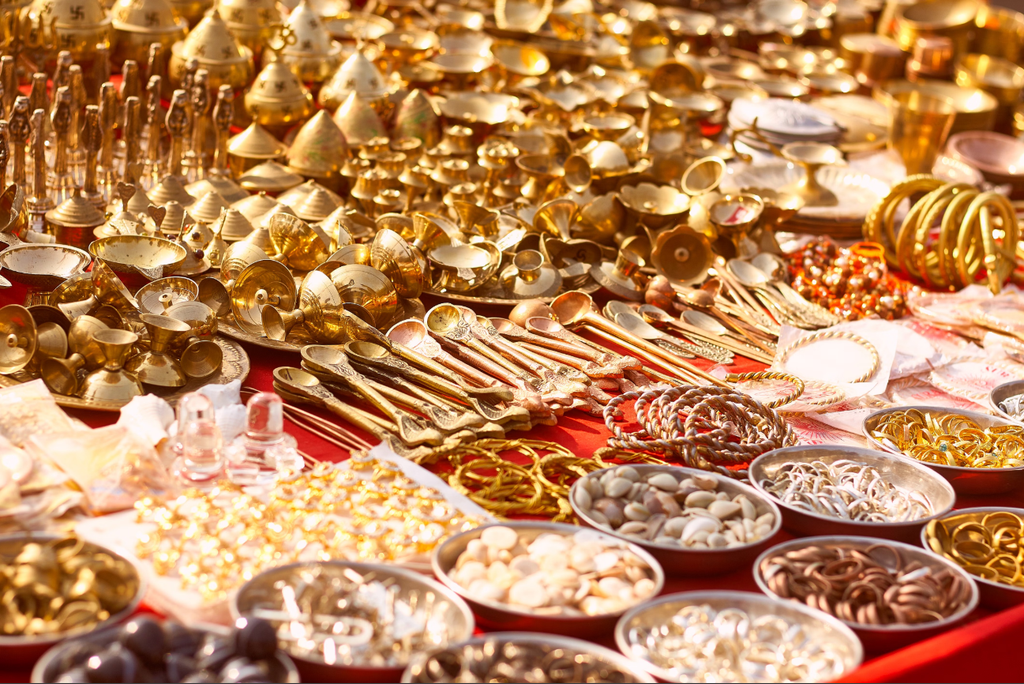
Dhanteras marks the beginning of the traditional Diwali festival. Families clean their homes, decorate entrances and often purchase gold, silver, utensils or other useful items as symbols of prosperity and good fortune. Some households also perform prayers connected with wealth and well-being.
Markets become especially lively as people shop for festive clothes, gifts, decorations and kitchen items. The day is associated with preparing the home for the celebrations ahead.
When considering how many days do we celebrate diwali, Dhanteras is important because it begins the wider festive period before the main Diwali night.
Day 2: Naraka Chaturdashi - Chhoti Diwali
Naraka Chaturdashi, also called Chhoti Diwali in many places, commemorates the defeat of the demon Narakasura in traditions associated with Lord Krishna. The day represents the removal of negativity and the triumph of good over evil.
Families may light lamps, decorate their homes, prepare sweets and observe customary morning rituals. Practices differ between regions: in parts of western and southern India, Naraka Chaturdashi can be a particularly significant day of celebration.
This second day helps explain how many days do we celebrate diwali as a festival rather than a single evening of lighting lamps. It builds anticipation for the main celebration.
Day 3: Diwali - Lakshmi Puja and the Festival of Lights
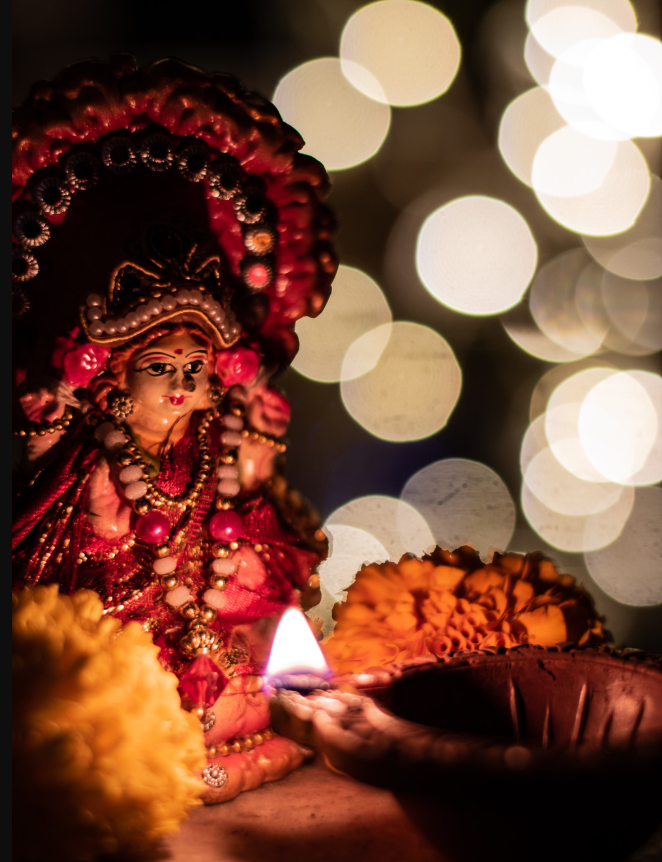
The third day is commonly regarded as the main Diwali celebration in the traditional five-day sequence. Families light diyas, decorate homes with rangoli, exchange gifts, prepare festive meals and gather for prayers.
Many Hindu households perform Lakshmi Puja, seeking blessings for prosperity and well-being, often alongside prayers to Lord Ganesha. In the evening, homes and streets glow with lamps and decorative lights. Sweets such as laddoo, barfi and kaju katli are shared with relatives, friends and neighbours.
For many people, this is the most familiar part of how many days do we celebrate diwali, because the main festivities and family gatherings often centre on this evening. The exact date follows the Hindu lunar calendar and changes each year.
Day 4: Govardhan Puja and Annakut
The fourth day is associated with Govardhan Puja in many Hindu traditions. It recalls the story of Lord Krishna protecting the people of Vrindavan from heavy rainfall by lifting Govardhan Hill.
Families and temples may prepare Annakut, meaning a mountain-like offering of food, as an expression of gratitude and devotion. In some parts of India, the day is also linked with Bali Pratipada or Padwa, with regional traditions celebrating prosperity, relationships and new beginnings.
The fourth day shows how how many days do we celebrate diwali includes more than the lighting of lamps. Food offerings, devotion and community gatherings are also central to the wider celebration.
Day 5: Bhai Dooj - Celebrating Sibling Relationships
Bhai Dooj traditionally concludes the five-day Diwali sequence. Sisters may perform a tilak ceremony for their brothers and pray for their happiness and long life. Brothers often give gifts, and families share meals or visit one another.
The ceremony differs across regions and may be known by names such as Bhai Tika or Bhau Beej. Its central theme is the affection and responsibility shared between siblings.
For families asking how many days do we celebrate diwali, Bhai Dooj is a useful reminder that the festival also celebrates personal relationships and family bonds, extending the festivities beyond the main Diwali night.
Does Everyone Celebrate Diwali for Five Days?
Although the traditional answer to how many days do we celebrate diwali is five, not every family observes every day in the same way. Some people focus mainly on the main Diwali night, while others participate in rituals across the entire period.
Regional customs influence the schedule. In parts of Maharashtra, Bali Pratipada and Bhau Beej are important parts of the celebrations. In Gujarat, the festive period connects with regional new-year traditions. In southern India, Naraka Chaturdashi may receive particular emphasis.
Some communities also observe additional days before or after the core sequence. As a result, the wider festive season can feel longer than five days, even though the commonly recognised Diwali sequence consists of five days.
When Is Diwali Celebrated?
Diwali usually falls in October or November, depending on the Hindu lunisolar calendar. Its date changes every year, and local observances may vary according to calendar calculations and regional customs.
In 2026, Diwali falls on Sunday, 8 November, according to India's official tourism information.
If you are planning celebrations, check the calendar followed by your local temple or community. This is especially helpful when arranging travel, family gatherings, puja timings or time off work.
How Do Families Celebrate Diwali?
Across India, Diwali celebrations often include cleaning and decorating homes, lighting diyas, creating rangoli, performing prayers, sharing sweets and visiting relatives. Markets and public spaces may be decorated with lights, and communities organise cultural events.
Many families exchange gifts and prepare special meals. Others attend temple ceremonies or take part in charity and community activities. Environmentally conscious celebrations may use reusable decorations, energy-efficient lights and fewer firecrackers to reduce smoke, noise and waste.
Understanding how many days do we celebrate diwali helps with planning these activities, but the festival's meaning is equally important: it encourages hope, renewal, generosity and connection.
Final Thoughts
So, how many days do we celebrate diwali? Traditionally, Diwali is celebrated over five days: Dhanteras, Naraka Chaturdashi, Diwali or Lakshmi Puja, Govardhan Puja and Bhai Dooj. Each day has its own customs and significance, from welcoming prosperity and celebrating the victory of good over evil to expressing gratitude and strengthening family relationships.
However, regional and religious traditions differ, and some households celebrate the main day more prominently than the others. The heart of Diwali remains the same: celebrating light, hope, goodness and togetherness. Knowing how many days do we celebrate diwali gives you a useful overview of the festival and helps you appreciate the rich traditions behind its celebrations.