A good Srinagar travel guide begins with the understanding that Srinagar is more than a gateway to Kashmir's famous mountain destinations. It is a destination in its own right, shaped by the Jhelum River, Dal Lake, Mughal gardens, traditional wooden architecture, shrines, handicrafts and the surrounding Zabarwan mountains.
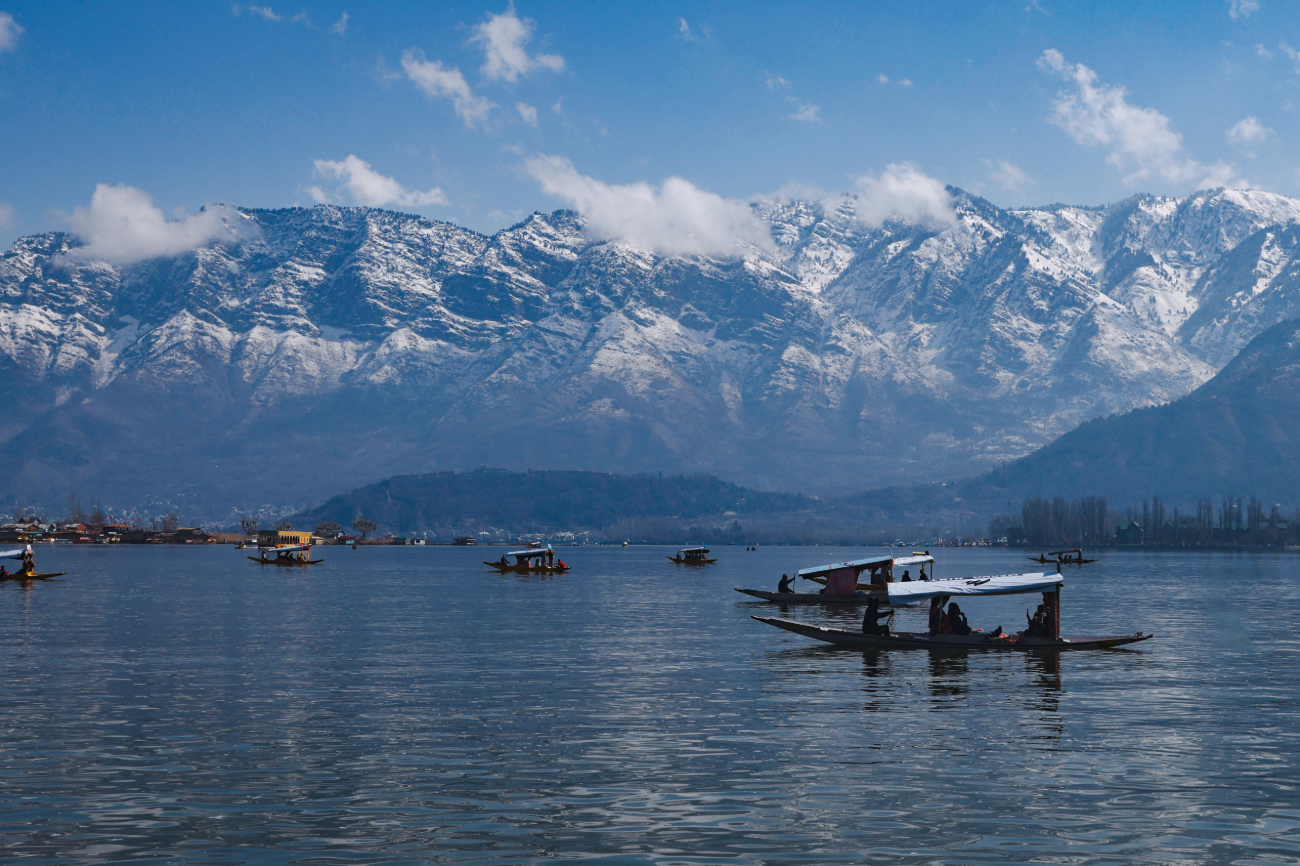
The city combines natural scenery with a remarkably layered cultural history. A morning on Dal Lake can involve shikaras, floating gardens and traditional houseboats, while an afternoon can take you through centuries-old neighbourhoods, mosques and bazaars. The official Incredible India tourism portal describes Dal Lake as the centrepiece of Srinagar and highlights its houseboats, floating gardens and shikara experiences.
For first-time visitors, this Srinagar travel guide provides a practical framework for deciding where to go, how long to stay, when to visit and how to experience the city beyond its most photographed views.
This post contains affiliate links. If you choose to book through them, a small commission may be earned at no additional cost to you. Your support genuinely helps keep the blog running and allows continued creation of high-quality travel guides. Thank you for being here and supporting this journey.
Why Visit Srinagar?
Srinagar occupies a distinctive position in Kashmir tourism because several experiences can be combined without travelling long distances.
The city provides access to Dal Lake, Nigeen Lake, the Mughal gardens, Shankaracharya Hill, Hazratbal Shrine, Pari Mahal and the historic old city. It also works as a base for excursions towards Gulmarg, Pahalgam and Sonamarg. Official tourism itineraries similarly combine Srinagar's gardens and Dal Lake with these surrounding destinations.
A strong Srinagar travel guide should therefore avoid treating the city as merely an overnight stop between airport transfers and mountain resorts.
The city deserves at least two full days, while three or four days allow visitors to explore more slowly and add a day trip.
Also Read - Honeymoon Places in Kashmir: A Complete Guide for a Romantic Escape
Best Things to Do in Srinagar
01 Take a Shikara Ride on Dal Lake
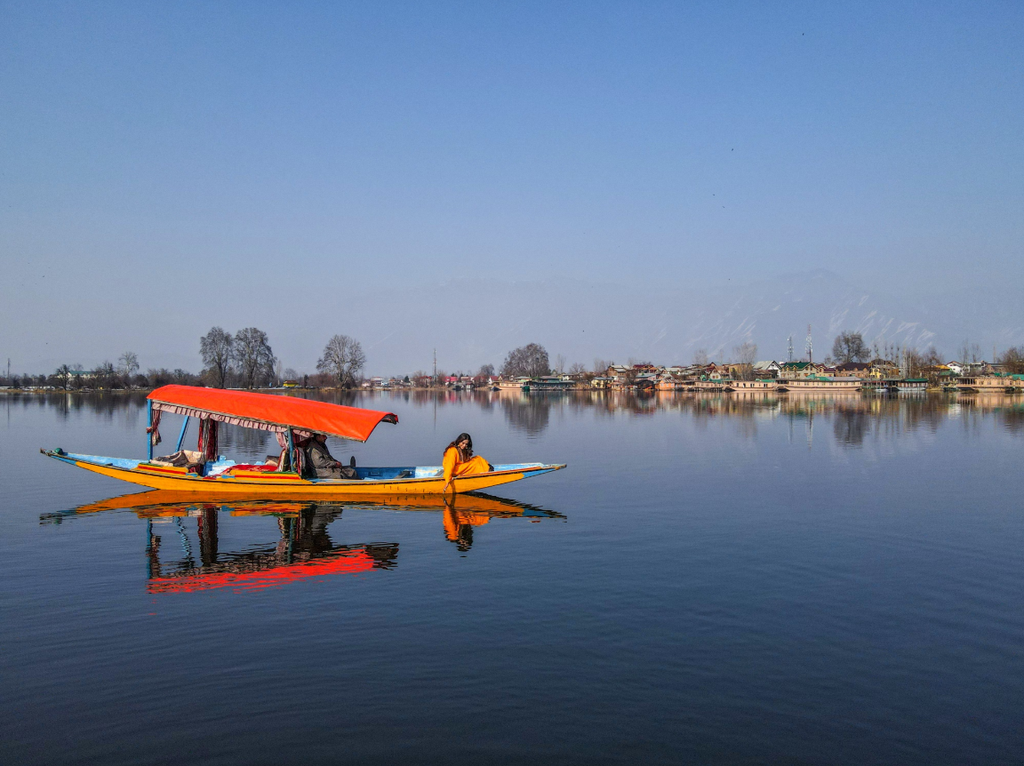
A shikara ride is the classic experience included in almost every Srinagar travel guide, but the quality of the experience depends heavily on timing and expectations.
Dal Lake covers more than 18 square kilometres and includes interconnected waterways, floating gardens, houseboats and areas of commercial activity.
Early morning provides a particularly atmospheric experience. The water can be calmer, the surrounding mountains may reflect in the lake and visitors can observe aspects of floating commerce and local life.
Sunset offers a completely different mood, with changing colours over the Zabarwan Range and illuminated houseboats.
Instead of treating the ride as simply a photography opportunity, pay attention to the lake's working landscape, including floating gardens and waterborne commerce.
02 Stay on a Houseboat
A houseboat stay is another defining feature highlighted by any Srinagar travel guide.
The carved wooden interiors, verandas, traditional decorative details and position on the lake provide an experience that conventional hotels cannot replicate.
Houseboats are particularly suitable for travellers looking for a slower stay. Choose carefully, however. Facilities and room standards vary considerably between properties.
Ask about the exact location, bathroom facilities, heating or cooling arrangements, meals, transfer arrangements and whether the quoted price includes the shikara transfer to and from the boat.
03 Explore Nishat Bagh
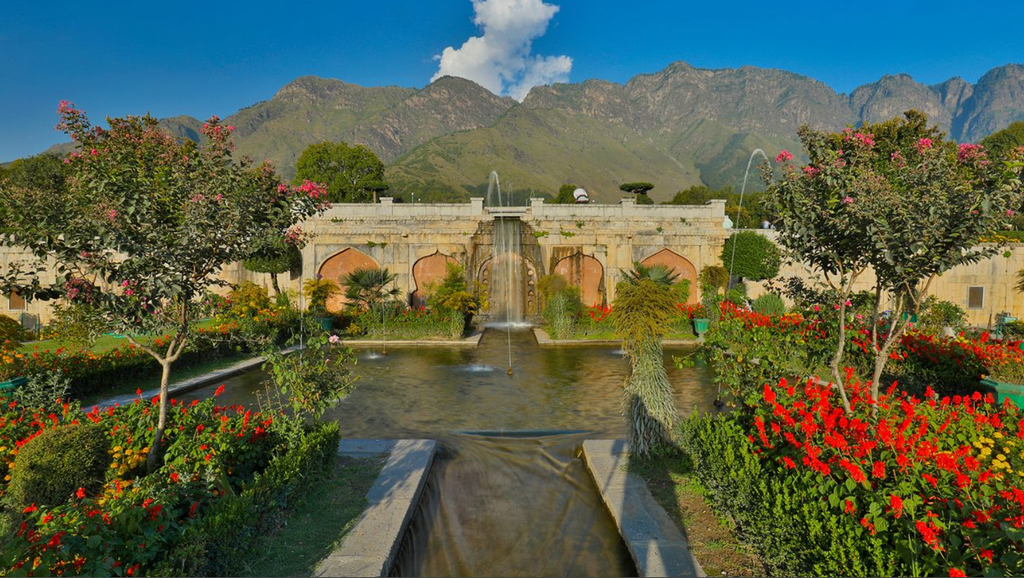
Nishat Bagh is one of the most important Mughal gardens included in a Srinagar travel guide.
Its terraced design creates views towards Dal Lake and the mountains beyond. The combination of water channels, lawns, trees and elevated terraces demonstrates how Mughal garden design was adapted to Kashmir's natural landscape.
Spring and early summer can be particularly attractive when vegetation is vibrant, while autumn brings a different character as foliage changes colour.
04 Visit Shalimar Bagh
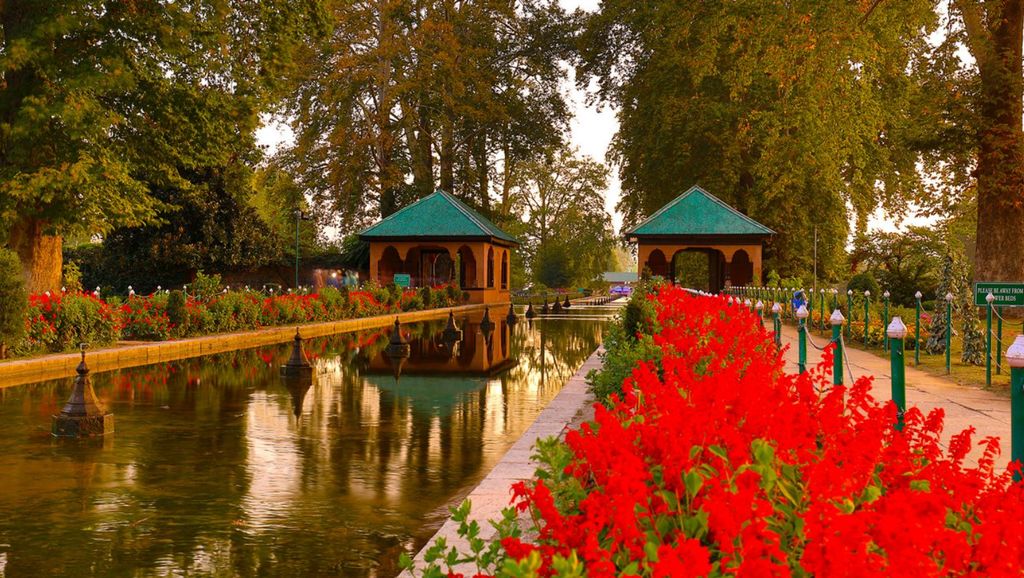
Shalimar Bagh is another essential stop.
The garden was developed during the Mughal period and is associated with Emperor Jahangir and his wife Nur Jahan. Its terraced layout, fountains, pavilions and mature trees create a formal contrast with the surrounding mountains.
A useful Srinagar travel guide itinerary combines Shalimar Bagh and Nishat Bagh on the same day because both lie along the eastern side of Dal Lake.
05 Stop at Chashme Shahi
Chashme Shahi is the smallest of the three major Mughal gardens but has its own appeal.
Its natural spring, terraces and mountain views make it particularly pleasant as part of a half-day garden circuit.
Official tourism itineraries group Chashme Shahi with Nishat Bagh and Shalimar Bagh as key Srinagar attractions.
06 Visit Shankaracharya Temple
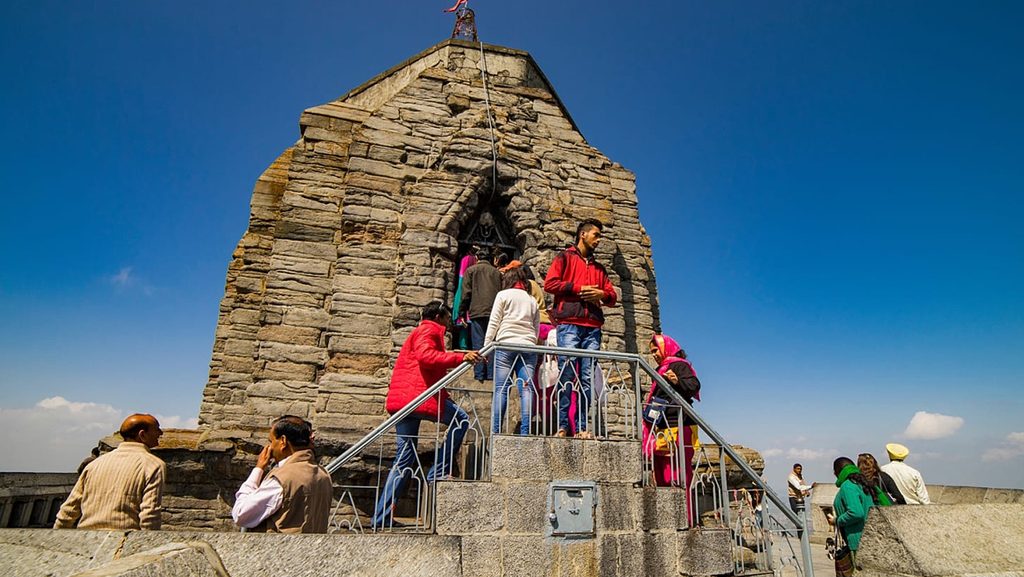
Shankaracharya Hill provides one of the city's most impressive elevated perspectives.
The temple occupies a prominent hill overlooking Srinagar and Dal Lake. The official tourism portal notes the site's association with the philosopher and sage Shankaracharya and its commanding position above the city.
Visitors should allow time for the climb and follow current security and access instructions. The viewpoint is particularly valuable because it reveals how Srinagar's lakes, neighbourhoods and surrounding mountains fit together geographically.
07 See Pari Mahal
Pari Mahal, or the Palace of Fairies, sits on the Zabarwan range above Srinagar.
The historic terraced structure provides another excellent viewpoint towards Dal Lake and the city. Its architecture combines arched openings, terraces and landscaped elements.
The official tourism portal currently lists visiting hours as 9:30 AM to 7:30 PM, although visitors should verify timings before travelling because operating arrangements can change.
08 Visit Hazratbal Shrine
Hazratbal Shrine is an important religious site situated near Dal Lake.
The shrine is associated with a relic believed by devotees to be a strand of hair of the Prophet Muhammad. Its white architecture and lakeside setting make it visually distinctive, but visitors should remember that it is an active place of worship.
Dress modestly and follow local instructions regarding access and photography.
09 Explore Srinagar's Old City
A thoughtful Srinagar travel guide should include the old city rather than focusing exclusively on lakes and gardens.
The historic neighbourhoods contain traditional wooden buildings, mosques, shrines, bridges, workshops and markets.
Jamia Masjid is particularly notable for its traditional wooden construction. The Shah-i-Hamadan mosque, also known as Khanqah-e-Moula, provides another important example of Kashmir's distinctive religious and architectural traditions.
Walking through these areas provides a better understanding of Srinagar as a living city rather than a collection of scenic viewpoints.
Srinagar Food Guide
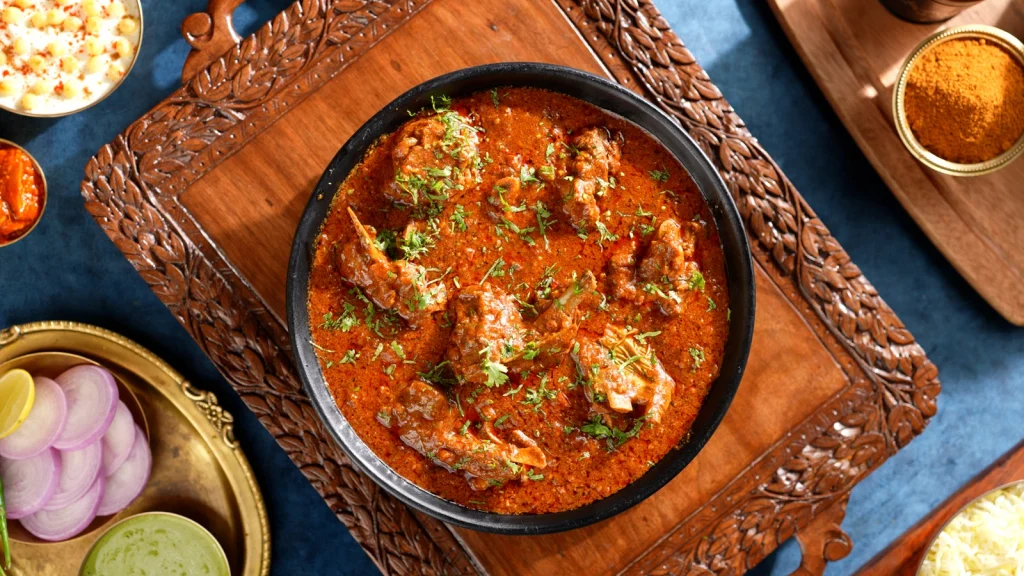
Food should occupy an important section of any Srinagar travel guide.
Kashmiri cuisine is known for dishes such as rogan josh, yakhni, gushtaba, rista, tabak maaz and dum aloo.
A traditional wazwan is a much more elaborate experience, consisting of multiple meat-based preparations served as part of a communal meal. It is worth trying at a reputable restaurant or through a recommended local dining experience.
Vegetarian travellers can find Kashmiri dishes as well, although the region's most famous ceremonial cuisine is heavily meat-oriented.
For breakfast or snacks, look for local breads such as girda and lavasa, often served with tea.
Kahwa, a fragrant Kashmiri green tea flavoured with spices and sometimes saffron or almonds, is another essential part of the culinary experience.
Shopping in Srinagar
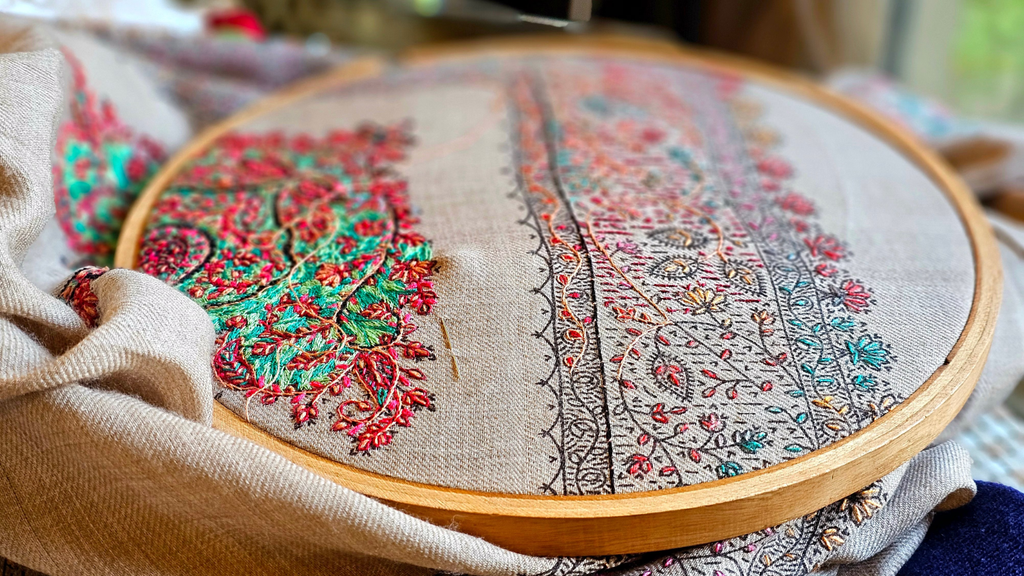
Shopping is another area where a Srinagar travel guide can help visitors avoid superficial souvenirs.
Kashmir is associated with pashmina, carpets, papier-mâché, walnut wood carving, Kashmiri embroidery and saffron.
Authenticity and pricing require attention. Ask for documentation when purchasing expensive pashmina or carpets, compare several sellers and avoid feeling pressured into buying immediately.
Local markets can also be useful for purchasing dry fruits, spices, Kashmiri tea and small handicrafts.
The old city and traditional markets provide more cultural context than shopping exclusively in tourist-oriented outlets.
Best Time to Visit Srinagar
The best period depends on the experience you want, which is why seasonality is an important part of a Srinagar travel guide.
April to June is widely regarded as a popular period for sightseeing. Official tourism information highlights this period for pleasant weather, with temperatures broadly ranging from around 10°C to 30°C.
April is particularly attractive for visitors interested in flowers and the Srinagar Tulip Festival.
July to September brings warmer conditions and a greener landscape, although rainfall can affect outdoor plans.
October and November offer autumn scenery, with changing foliage creating a distinctive atmosphere.
December to March brings winter conditions. Snow is possible in Srinagar, while nearby Gulmarg becomes particularly relevant for snow and skiing experiences. Official tourism information notes that Srinagar's winter temperatures can fall significantly below freezing.
How Many Days Do You Need?
A practical Srinagar travel guide should recommend at least three days for a first visit.
Two Days
Day one can cover Dal Lake, a shikara ride, Nishat Bagh and Shalimar Bagh.
Day two can focus on Shankaracharya Hill, Pari Mahal, Hazratbal and the old city.
Three Days
Add more time for the old city, shopping and a relaxed houseboat experience.
Four to Five Days
Use Srinagar as a base for Gulmarg, Pahalgam or Sonamarg. Official tourism itineraries similarly combine Srinagar with these surrounding destinations.
Getting to Srinagar
Air travel is the most convenient option for many visitors. Srinagar's Sheikh-ul-Alam Airport has connections with major Indian cities.
For rail travel, the Srinagar Railway Station at Nowgam is listed by Incredible India, while the wider Kashmir Valley rail network provides connections within the region.
Travellers arriving from outside the valley can also use road connections.
A Srinagar travel guide should account for the fact that road journeys into Kashmir can take considerably longer than the map distance suggests because of terrain, traffic and weather.
Getting Around Srinagar
For city sightseeing, taxis and auto-rickshaws are useful, while local minibuses provide a lower-cost option. Official tourism information also lists tourist coaches, taxis, minibuses and auto-rickshaws as transport options.
A practical strategy is to group attractions geographically.
Visit the eastern Dal Lake gardens together, combine Shankaracharya with Pari Mahal, and explore the old city separately.
This reduces unnecessary travel and leaves more time for sightseeing.
Where to Stay in Srinagar
Accommodation in Srinagar ranges from hotels and guesthouses to houseboats.
For first-time visitors, staying around Dal Lake or Boulevard Road provides convenient access to shikara operators, restaurants and lake views.
Houseboats are better suited to travellers seeking a distinctive experience rather than simply the most convenient base.
Areas farther from Dal Lake can offer better value, but transport costs and journey times should be considered.
A useful Srinagar travel guide principle is to compare the total cost of accommodation plus daily transport rather than choosing purely on room price.
Srinagar Travel Tips
Keep these points in mind when using this Srinagar travel guide:
- Carry layers because temperatures can change significantly between morning and afternoon.
- Warm clothing is essential during winter.
- Comfortable shoes are important for gardens, old-city walks and hill attractions.
- Confirm houseboat facilities before booking.
- Keep some flexibility for weather-related changes.
- Dress respectfully when visiting religious sites.
- Ask permission before photographing people closely.
- Compare prices before buying expensive handicrafts.
- Keep important documents and valuables secure.
- Check current local travel arrangements before heading to remote areas.
- Avoid overloading your itinerary with too many day trips.
A Three-Day Srinagar Itinerary
A well-balanced Srinagar travel guide itinerary could look like this:
Day 1: Arrive, settle into your hotel or houseboat, explore Dal Lake and take a shikara ride around sunset.
Day 2: Visit Nishat Bagh, Shalimar Bagh and Chashme Shahi. Continue to Pari Mahal and enjoy views across the city.
Day 3: Visit Shankaracharya Hill, Hazratbal Shrine and the old city. Spend the afternoon shopping for handicrafts and sampling Kashmiri food.
Travellers with a fourth day can add Gulmarg, Pahalgam or Sonamarg, depending on weather and road conditions.
Is Srinagar Expensive?
A Srinagar travel guide should not assume that the city is exclusively a luxury destination.
Travellers can choose from simple guesthouses, mid-range hotels, houseboats and premium properties.
Food can also be affordable when eating at local restaurants rather than hotel dining rooms.
The main expenses are often accommodation, private transport and excursions. Sharing taxis with other travellers can reduce costs on day trips, while grouping attractions geographically reduces unnecessary journeys.
Final Thoughts
A well-planned Srinagar travel guide reveals a destination that combines far more than spectacular scenery.
Dal Lake provides the iconic experience, but the city's real character emerges through its gardens, shrines, old neighbourhoods, crafts, cuisine and relationship with the surrounding mountains.
Use the first day to understand the lake, the second to explore Srinagar's gardens and viewpoints, and the third to experience its cultural and historic side.
The strongest Srinagar travel guide approach is to slow down rather than treat the city as a checklist. Spend time on a houseboat, watch life unfold from a shikara, walk through a Mughal garden and explore the old city with patience.
Srinagar's appeal changes with the seasons. Spring brings flowers, summer brings lush landscapes, autumn introduces striking colours and winter transforms the valley into a colder mountain environment. Official tourism information similarly presents Srinagar as a year-round destination with distinct seasonal experiences.
For first-time visitors, three days in Srinagar provides a strong introduction, while five days allows the city to become a base for exploring more of Kashmir.
Ultimately, the most useful Srinagar travel guide is one that leaves room for the unexpected: a misty morning on Dal Lake, a conversation in an old market, a cup of kahwa overlooking the mountains or an evening when the city's lights begin reflecting across the water.
Those quieter moments often become the memories that define the journey.
Practical FAQ About Srinagar
Is Srinagar good for a first-time Kashmir trip?
Yes. Srinagar is a practical introduction to Kashmir because it combines lakes, gardens, heritage sites, food and cultural experiences while also providing access to destinations such as Gulmarg, Pahalgam and Sonamarg. Official tourism itineraries use Srinagar as the base for several of these experiences.
How many days are enough for Srinagar?
Three days is a good starting point for a first visit. Two days can cover the principal city attractions, while three days allow more relaxed exploration. Four or five days work well if you want to add excursions outside Srinagar.
What is the best month to visit Srinagar?
April to June is popular for comfortable sightseeing and gardens, while October and November appeal to visitors looking for autumn colours. Winter is better suited to travellers interested in cold-weather scenery and combining Srinagar with snow experiences in nearby Gulmarg.
Is one night on a Srinagar houseboat worth it?
For many first-time visitors, yes. A houseboat provides a distinctive way to experience Dal Lake and its floating landscape. Check the exact boat location, facilities, meals, heating and transfer arrangements before booking.
How much does a shikara ride in Srinagar cost?
There is no single universal price that can be relied upon for every ride. Charges can vary according to duration, route, season and negotiation. Confirm the total price and ride duration with the operator before boarding rather than relying on an informal quote.
Is Srinagar expensive for tourists?
It can suit different budgets. Guesthouses, local restaurants and shared transport can keep costs relatively manageable, while premium hotels, private taxis and longer excursions can substantially increase expenses. Accommodation and transport are usually the areas where careful comparison makes the biggest difference.
Is Dal Lake better in the morning or evening?
Both offer different experiences. Early morning is particularly interesting for quieter water and floating-market activity, while evening is attractive for sunset views and the changing light over the lake. The official tourism portal specifically highlights the early-morning floating market experience.
Can Srinagar be covered without hiring a private car?
Yes, particularly if you concentrate on the city. Taxis, auto-rickshaws and local minibuses are available, although a private vehicle can be more convenient for day trips to places outside Srinagar.
What should I wear in Srinagar?
Pack according to the season. Lightweight layers work well during milder months, while winter requires substantially warmer clothing. Comfortable walking shoes are useful for gardens, old-city exploration and hill attractions. Official tourism guidance recommends heavy woollens, sweaters and scarves during winter.
Is Srinagar suitable for families?
Yes. Dal Lake, Mughal gardens, houseboats and sightseeing around the city can work well for families. Families should plan realistic travel times and consider weather, walking requirements and the ages of children when arranging excursions.
Can I visit Gulmarg or Pahalgam from Srinagar?
Yes. Both are commonly incorporated into Kashmir itineraries based around Srinagar. Official Incredible India itineraries combine Srinagar with Gulmarg, Pahalgam and Sonamarg.
What should I check before travelling to Srinagar?
Check current weather, transport conditions, attraction timings and local travel advisories shortly before departure. Mountain roads and excursion plans can be affected by weather and other local conditions, so keeping some flexibility in the itinerary is sensible.