Himalaya Sikkim represents one of the most captivating mountain destinations in India, combining snow-covered peaks, green valleys, ancient monasteries and vibrant local traditions. Located in the eastern Himalayas, the Sikkim state of India attracts travellers seeking breathtaking landscapes, cultural experiences, adventure activities and peaceful mountain retreats. From the impressive Kanchenjunga mountain range to the colourful streets of Gangtok, the region offers a distinctive blend of natural beauty and cultural heritage.
For visitors exploring Indian Sikkim, the experience extends beyond sightseeing. Mountain communities, Buddhist traditions, diverse ecosystems and regional cuisine make this Himalayan state particularly rewarding for travellers who want to understand India's geographical and cultural diversity.
Whether planning a short holiday or an extended mountain journey, understanding the region's attractions, climate, transport and local customs can help you make the most of your visit to Himalaya Sikkim.
Also Read - 10 Must-See Places in Sikkim for Mountains, Monasteries and Lakes
This post contains affiliate links. If you choose to book through them, a small commission may be earned at no additional cost to you. Your support genuinely helps keep the blog running and allows continued creation of high-quality travel guides. Thank you for being here and supporting this journey.
Where Is Sikkim Located in India?
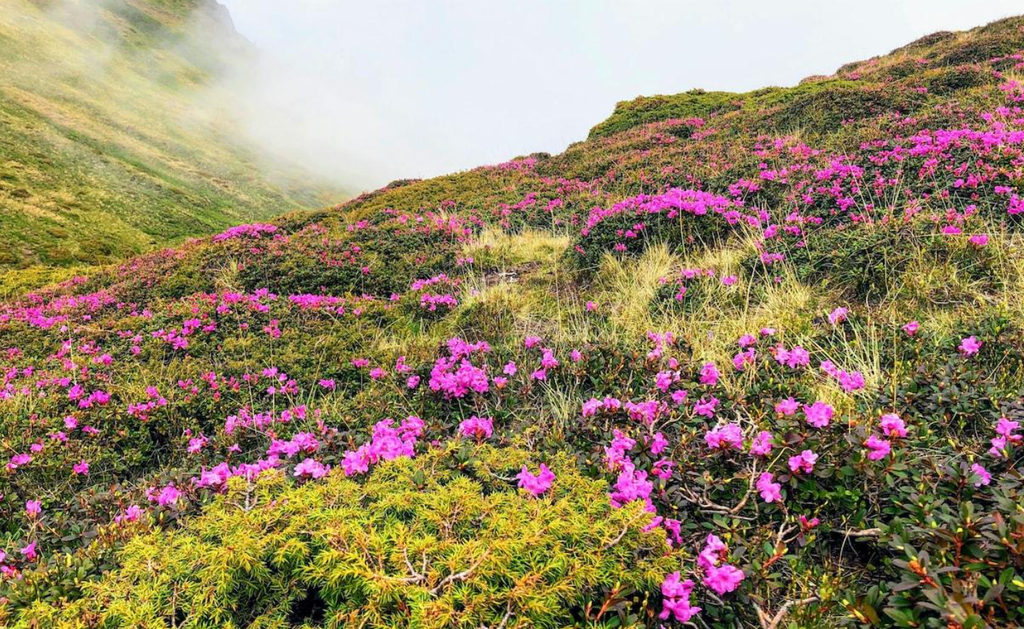
Sikkim is a small, landlocked state in northeastern India, situated in the eastern Himalayas. It shares borders with Nepal to the west, Bhutan to the east, Tibet (an autonomous region of China) to the north and northeast, and West Bengal to the south. Its geographical position makes the Sikkim state of India an important gateway to some of the eastern Himalayan region's most dramatic mountain landscapes.
Gangtok is the state capital and the main urban centre for tourism, administration and transport. The state's terrain ranges from lower valleys and forested hills to high-altitude mountain environments, creating substantial differences in temperature, vegetation and accessibility.
The phrase Himalaya Sikkim describes this mountainous setting, while Indian Sikkim refers to the region as part of the Republic of India. These geographical distinctions are useful when planning routes, researching local culture or comparing Sikkim with neighbouring Himalayan destinations.
Why Is Himalaya Sikkim Famous?
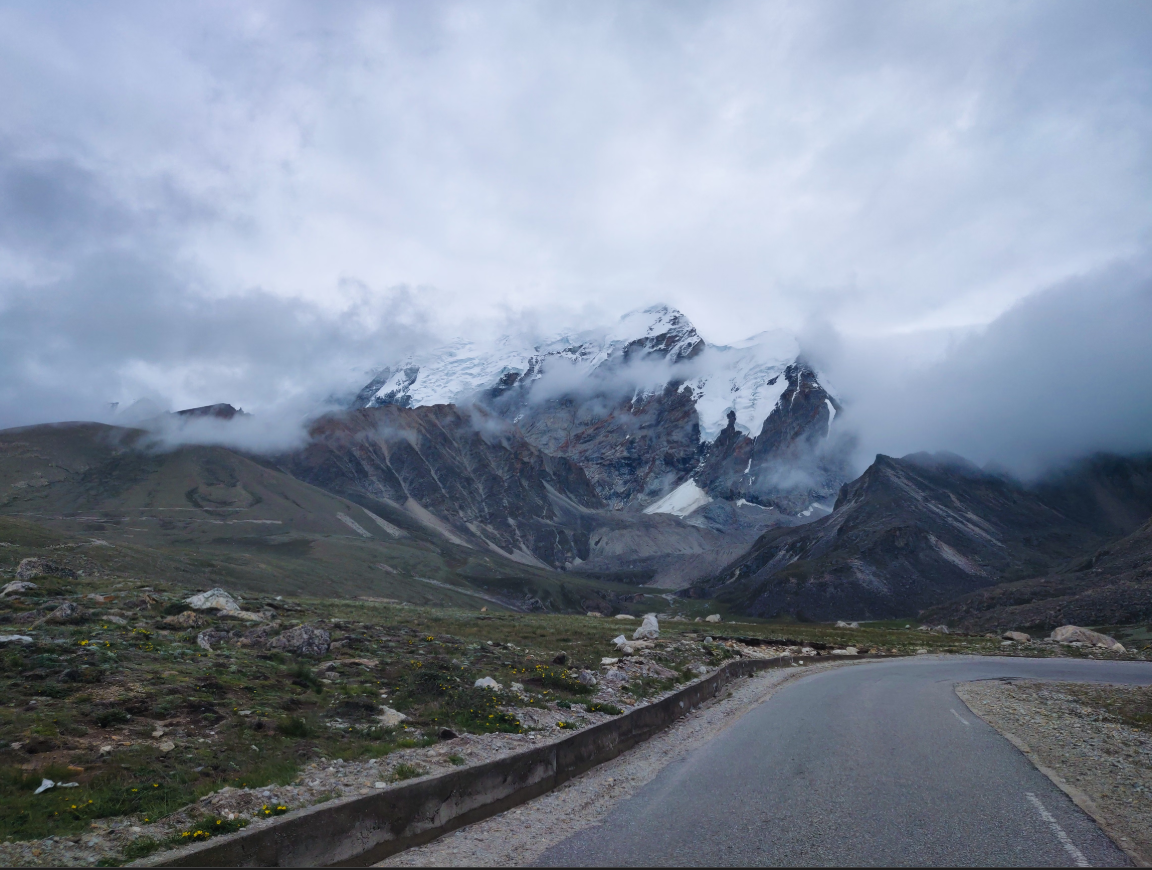
Himalaya Sikkim is famous for its spectacular mountain scenery, biodiversity, monasteries and outdoor experiences. The region's most recognisable natural landmark is Kanchenjunga, which rises to approximately 8,586 metres and is the world's third-highest mountain. The mountain is culturally significant to local communities and forms part of the wider Himalayan landscape.
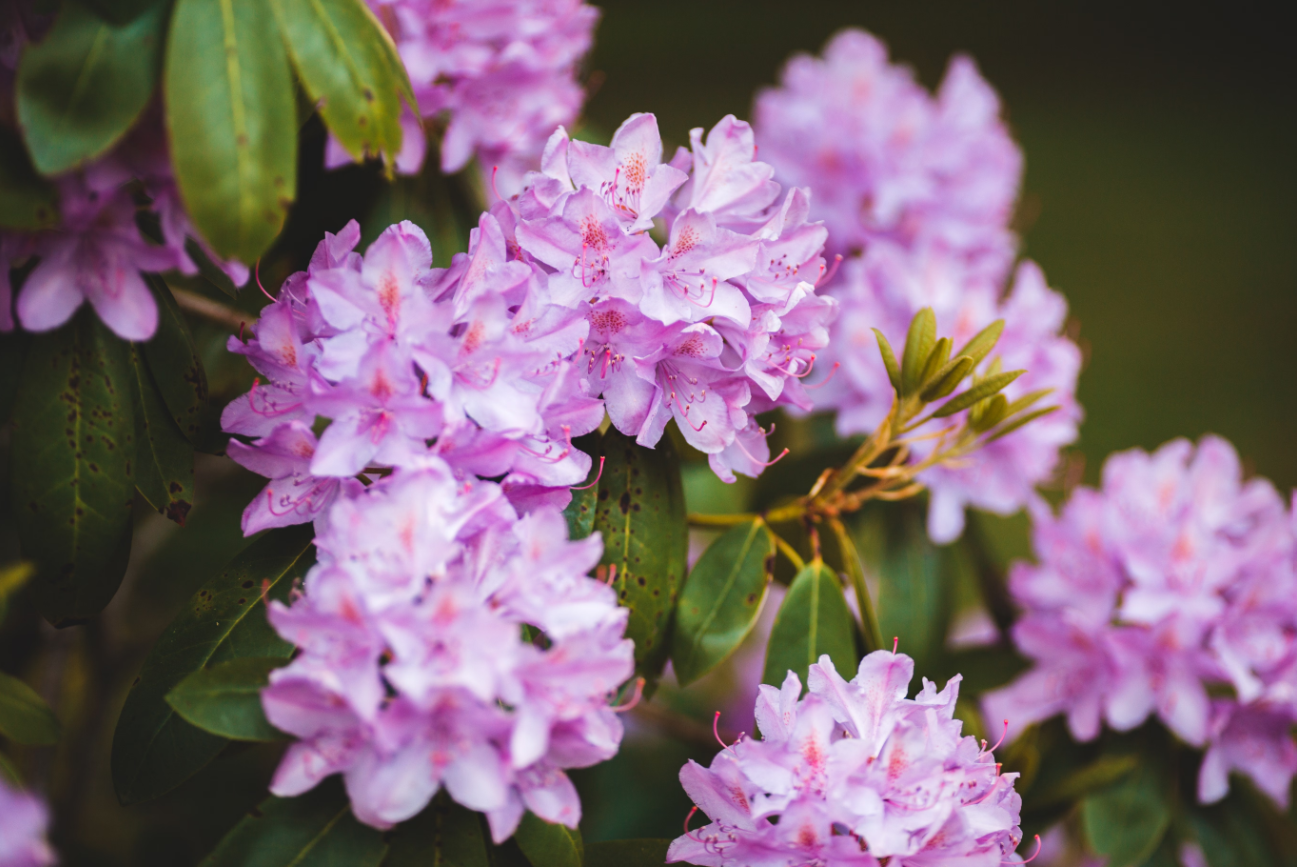
The Sikkim state of India also stands out for its rich biodiversity. Its elevation changes support subtropical forests, temperate woodland, alpine meadows and high-altitude ecosystems. Rhododendrons, orchids and other Himalayan plants contribute to the region's seasonal beauty.
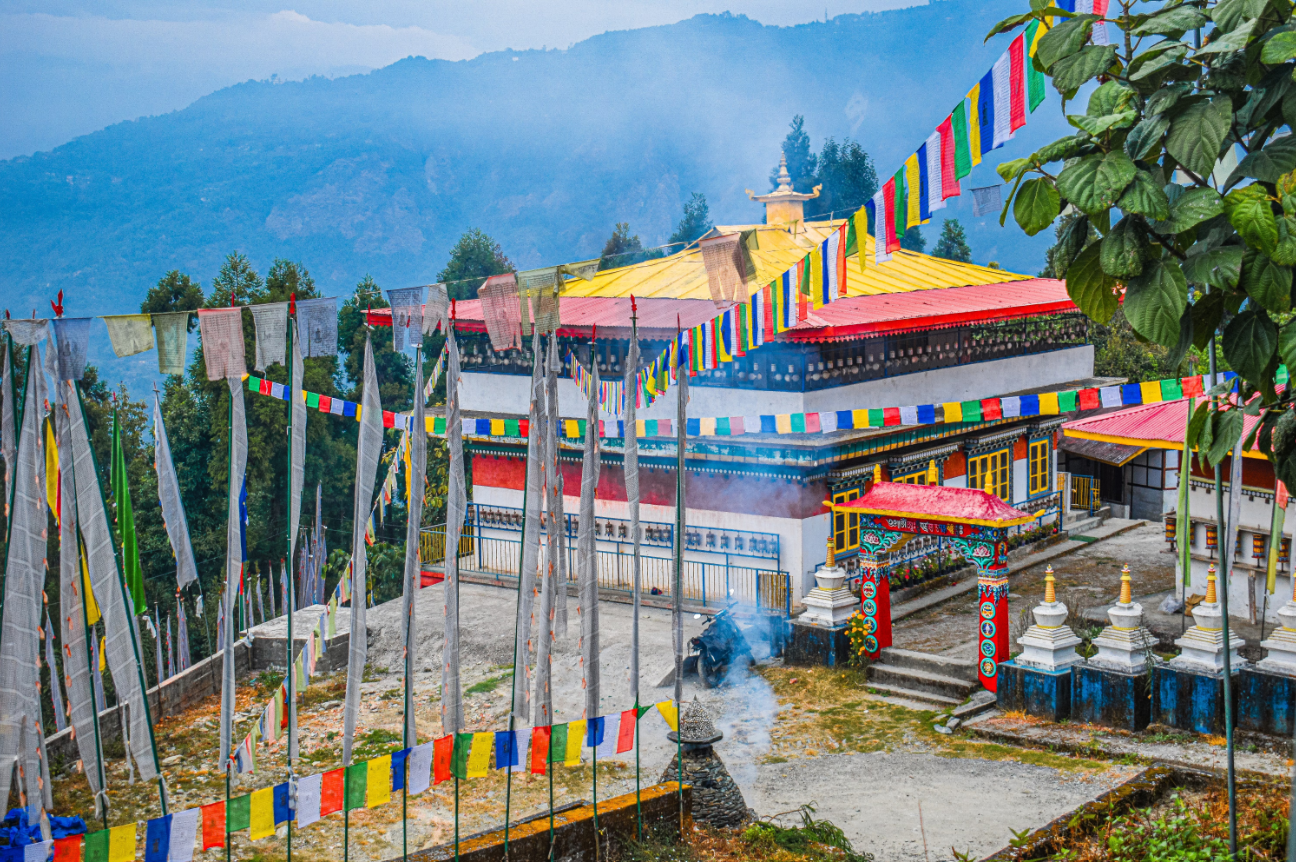
Indian Sikkim is equally notable for its cultural diversity. Lepcha, Bhutia and Nepali communities have contributed to the state's languages, food, festivals, architecture and traditions. Buddhist monasteries, prayer flags and traditional celebrations provide visitors with opportunities to appreciate the region's spiritual heritage.
Together, these natural and cultural features make Sikkim an appealing destination for photographers, trekkers, families, wildlife enthusiasts and travellers seeking a quieter mountain escape.
Best Places to Visit in the Sikkim State of India
01 Gangtok
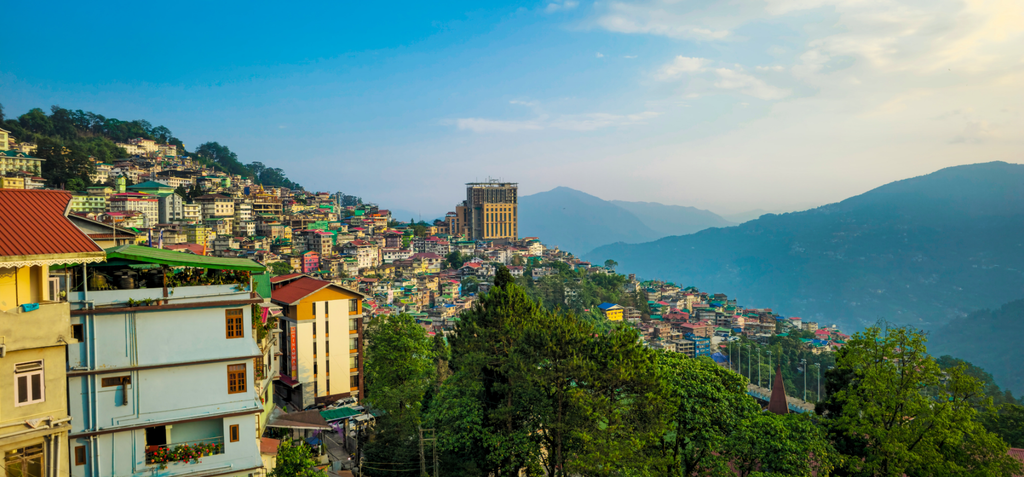
Gangtok is the ideal starting point for exploring Indian Sikkim. Visit MG Marg, enjoy panoramic mountain views, explore local markets and discover monasteries. Its hotels, restaurants and transport connections make it a convenient base for travellers.
02 Tsomgo Lake
This high-altitude glacial lake is famous for its changing colours, surrounding mountains and seasonal snow. It is a popular excursion from Gangtok, although weather conditions and permit requirements can affect access.
03 Yumthang Valley
Known for rhododendrons, alpine meadows and mountain scenery, Yumthang is a highlight of Himalaya Sikkim. Spring is especially attractive for flower enthusiasts, while winter can bring snow-covered landscapes.
04 Rumtek Monastery
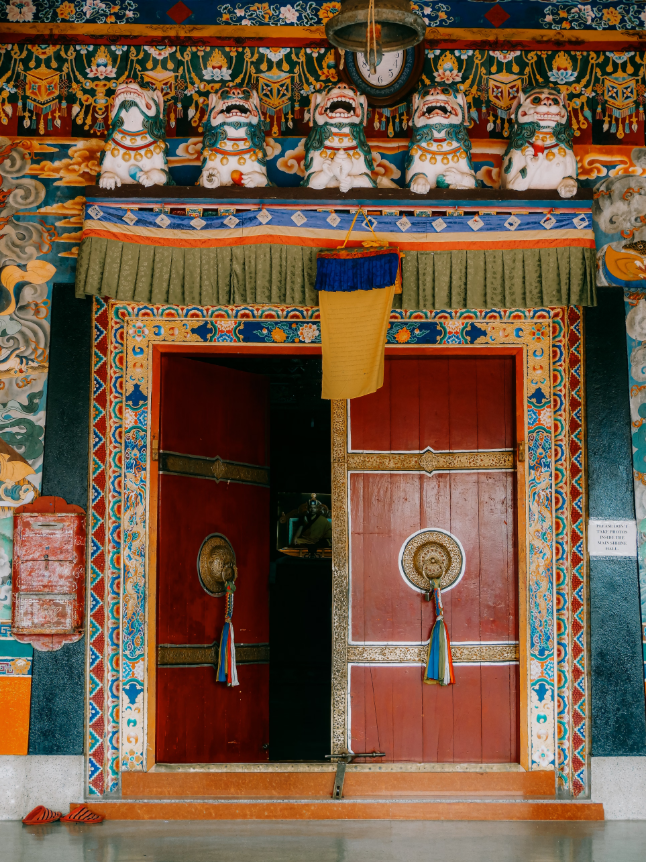
Rumtek is an important Buddhist monastery recognised for its traditional architecture, religious significance and peaceful surroundings. It provides insight into the spiritual traditions that help define the cultural identity of the Sikkim state of India.
05 Khangchendzonga National Park
This UNESCO World Heritage Site protects exceptional Himalayan landscapes, forests, glaciers and wildlife habitats. It is an excellent destination for understanding the ecological importance of Indian Sikkim.
Best Time to Visit Himalaya Sikkim
The best time to explore Himalaya Sikkim depends on the experiences you want. Spring brings colourful flowers, summer offers lush vegetation, autumn often provides clear mountain views, and winter attracts visitors interested in snow.
According to the official Sikkim Tourism website, spring from March to May and autumn from October to mid-December are particularly appealing periods for travel. Heavy monsoon rainfall can affect roads and visibility, so travellers should plan accordingly.
| Season | Travel experience |
|---|---|
| March-May | Rhododendrons, orchids and pleasant sightseeing weather |
| June-September | Lush landscapes, waterfalls and greater rainfall-related disruption |
| October-mid-December | Clearer mountain views and favourable photography conditions |
| Late December-February | Cold weather, possible snowfall and high-altitude access restrictions |
For most first-time visitors, October and November offer an excellent balance of mountain visibility and comfortable sightseeing conditions. Spring is a strong alternative for flowers and greenery.
Culture, Food and Traditions of Indian Sikkim
Indian Sikkim has a rich cultural identity shaped by Lepcha, Bhutia and Nepali communities. Buddhism and other local traditions influence festivals, architecture, community life and religious practices. Visitors can learn about this heritage by visiting monasteries, exploring local markets and attending cultural events when available.
Food is another important part of the experience. Popular dishes include momos, thukpa, phagshapa and gundruk-based preparations. Local restaurants and homestays provide opportunities to sample regional flavours while supporting small businesses.
Himalaya Sikkim also offers opportunities to purchase locally produced handicrafts, textiles and traditional products. Respecting religious customs, asking permission before photographing people and supporting local enterprises can make a visit more meaningful.
How to Reach the Sikkim State of India?
Travellers generally reach Sikkim through neighbouring West Bengal before continuing by road into the mountains.
- By air: Bagdogra Airport is a major gateway. Pakyong Airport may be useful when suitable flights are operating.
- By train: New Jalpaiguri is a major railway station for onward journeys towards Gangtok.
- By road: Taxis and other road transport connect Siliguri with Gangtok. Local vehicles and organised tours serve many destinations beyond the capital.
Road journeys can take longer than expected because of mountain terrain, weather and traffic. Some protected destinations require permits, and restrictions vary by route and nationality. Check the official Sikkim Tourism website before travelling.
Sustainable Tourism in Himalaya Sikkim
The environmental significance of Himalaya Sikkim makes responsible tourism especially important. Mountain ecosystems are vulnerable to litter, habitat disturbance, erosion and the effects of changing weather patterns.
Visitors can help protect the region by carrying reusable water bottles, avoiding single-use plastics, staying on marked trails and respecting wildlife. Choosing registered local guides, locally owned accommodation and regional restaurants also helps tourism income benefit communities.
The Sikkim state of India contains internationally important biodiversity, including protected forests and high-altitude habitats. Responsible travel helps preserve these natural resources for residents and future generations.
Frequently Asked Questions (FAQs)
1. Where is Himalaya Sikkim located?
Himalaya Sikkim refers to the Himalayan region within the northeastern Indian state of Sikkim, which borders Nepal, Bhutan, China and West Bengal.
2. Is Indian Sikkim part of India?
Yes. Sikkim became India's 22nd state in 1975. It is part of the Republic of India.
3. What is the capital of the Sikkim state of India?
Gangtok is the state capital and the principal base for many tourist journeys.
4. What is Sikkim most famous for?
The region is known for Kanchenjunga, Himalayan landscapes, Buddhist monasteries, alpine lakes, rhododendrons and diverse wildlife.
5. How many days are sufficient to explore Sikkim?
Around five to seven days can cover Gangtok and selected nearby destinations. A longer trip is recommended for exploring North, West and South Sikkim, particularly when mountain roads or permits affect travel plans.
Conclusion
Himalaya Sikkim offers a remarkable combination of mountain scenery, biodiversity, spirituality and cultural richness. From Gangtok's lively streets to Yumthang Valley's flowering meadows and the dramatic landscapes around Kanchenjunga, the region provides experiences for many types of travellers. Exploring Indian Sikkim with careful planning helps visitors appreciate both its natural attractions and its local communities. For anyone seeking a Himalayan holiday in the Sikkim state of India, the destination promises memorable landscapes, meaningful cultural encounters and opportunities to experience one of India's most distinctive mountain regions.