The Punjab tourist places landscape brings together Sikh heritage, Mughal and colonial history, royal architecture, vibrant food culture, wetlands and traditional Punjabi village life. From the spiritual atmosphere of Amritsar to the historic palaces of Patiala and the religious significance of Anandpur Sahib, the state offers considerably more than a single-city itinerary. Punjab Tourism and Incredible India identify destinations across Amritsar, Patiala, Ludhiana, Kapurthala and Jalandhar, alongside numerous religious, heritage and natural attractions.
For travellers planning a first trip, the most rewarding Punjab tourist places can be organised into cultural circuits rather than visited randomly. Amritsar works well for spirituality and modern Indian history, Patiala for royal heritage, Anandpur Sahib for Sikh history, and Harike for birdlife and wetlands.
Also Read - Best Places to Visit in Amritsar: A Complete Travel Guide to Punjab’s Spiritual Heart
1. Amritsar - The Spiritual and Cultural Heart of Punjab
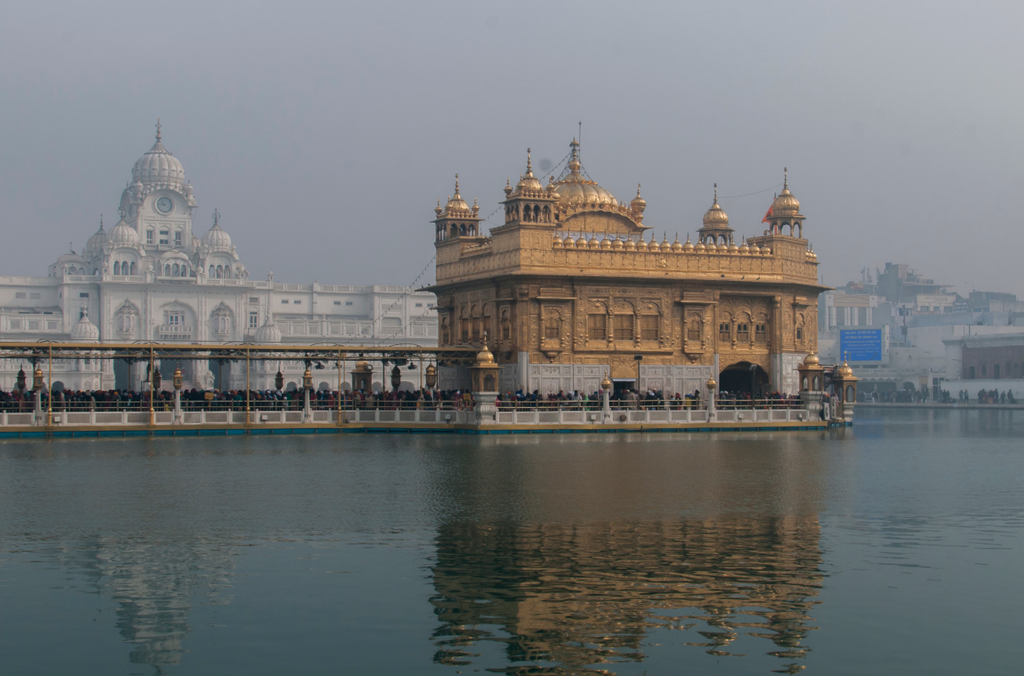
Amritsar should be at the top of any list of Punjab tourist places. The city combines Sikh heritage, India's independence history, food and traditional crafts in a relatively compact area. The official tourism portal describes Amritsar as Punjab's spiritual and cultural capital and highlights the Golden Temple, Jallianwala Bagh, Wagah Border and its culinary traditions.
Golden Temple
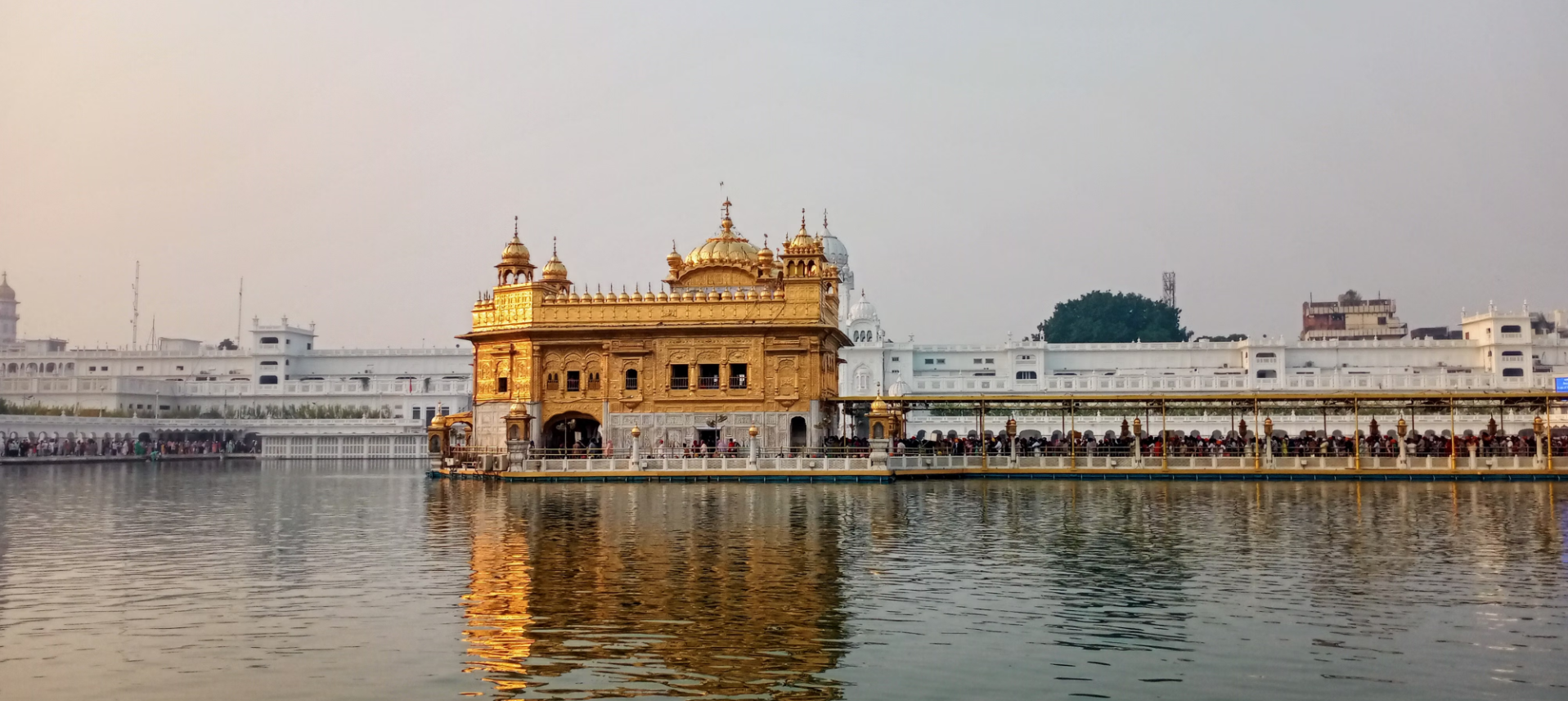
Sri Harmandir Sahib, commonly known as the Golden Temple, is Amritsar's defining attraction. The shrine sits in the Amrit Sarovar and is surrounded by a marble pathway. The temple represents Sikh values including equality, service and community.
One of the most meaningful experiences is visiting the Langar, the free community kitchen where volunteers prepare and serve vegetarian meals to visitors regardless of background.
The complex can be visited during both daytime and evening, when its illuminated golden façade creates a particularly memorable view.
Jallianwala Bagh
Located close to the Golden Temple, Jallianwala Bagh is one of the most important historical Punjab tourist places. It commemorates the people killed during the 13 April 1919 massacre and preserves physical reminders of the event, including bullet-marked walls and the Martyrs' Well.
The site should be approached as a memorial rather than simply another sightseeing stop.
Partition Museum
The Partition Museum documents personal stories and experiences connected with the Partition of India. It provides additional historical context for understanding Punjab's twentieth-century history.
Attari-Wagah Border
The Attari-Wagah border is another well-known attraction near Amritsar. The Beating Retreat ceremony involves coordinated military movements and attracts large crowds.
Because schedules and access arrangements can change, check current information before travelling.
Also Read - Best Places to Visit in Amritsar: A Complete Travel Guide to Punjab’s Spiritual Heart
2. Anandpur Sahib - A Major Sikh Heritage Destination
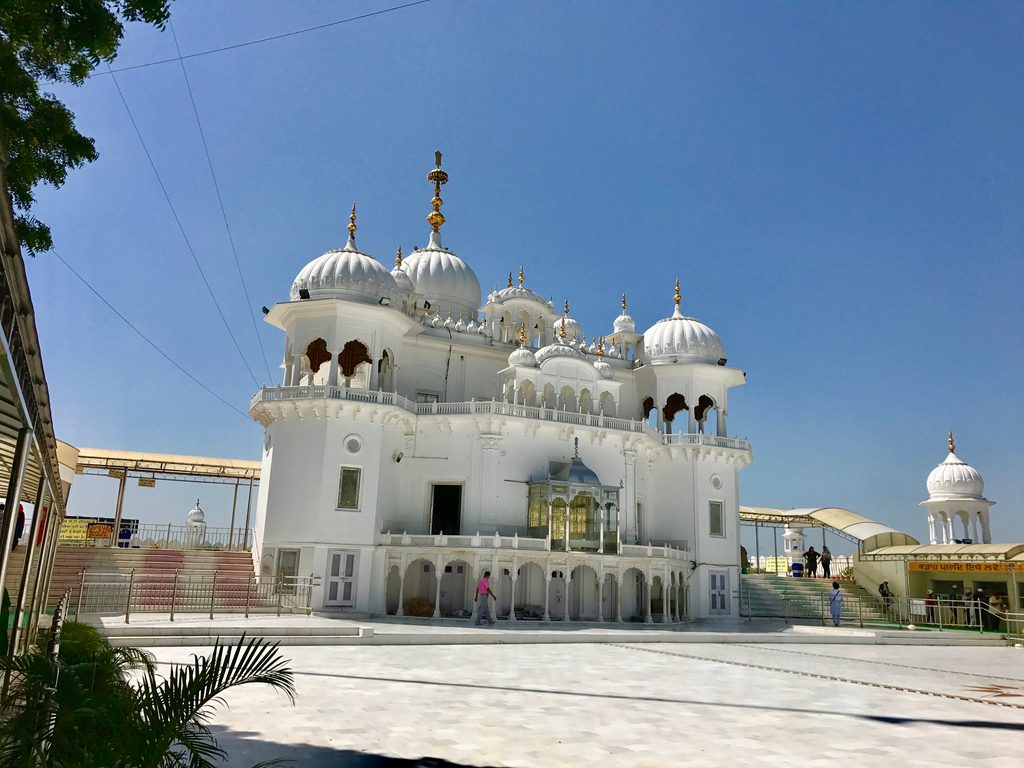
Anandpur Sahib is among the most significant religious Punjab tourist places and is closely associated with Sikh history. Founded by Guru Tegh Bahadur, the city became an important centre of the Sikh community.
The town is particularly significant because Guru Gobind Singh founded the Khalsa here in 1699. This makes Anandpur Sahib an important destination for understanding Sikh history rather than simply visiting individual monuments.
Takht Sri Kesgarh Sahib
Takht Sri Kesgarh Sahib is one of the five Takhts, or principal seats of authority in Sikhism. The gurdwara dominates the town and attracts pilgrims throughout the year.
Hola Mohalla
If your travel dates coincide with Hola Mohalla, Anandpur Sahib becomes especially vibrant. The festival combines religious gatherings with displays of martial arts, particularly Gatka, alongside processions and community activities.
3. Patiala - Royal Architecture and Punjabi Culture
Patiala provides a different perspective on Punjab tourist places, with its royal heritage, palaces, museums and traditional crafts.
Qila Mubarak
Qila Mubarak is one of Patiala's principal heritage landmarks. The complex illustrates the architectural and political history of the former Patiala princely state.
Sheesh Mahal
The Sheesh Mahal, or Palace of Mirrors, is particularly known for its decorative interiors and collections associated with the Patiala royal family.
Moti Bagh Palace
Moti Bagh Palace provides another glimpse into Patiala's royal past. The surrounding area contains heritage structures and institutions that can be incorporated into a full-day city itinerary.
Patiala is also closely associated with Punjabi food, Phulkari embroidery, traditional clothing and the Patiala peg, although visitors should distinguish cultural references from modern commercial representations.
4. Ludhiana - Industry, Museums and Urban Punjab
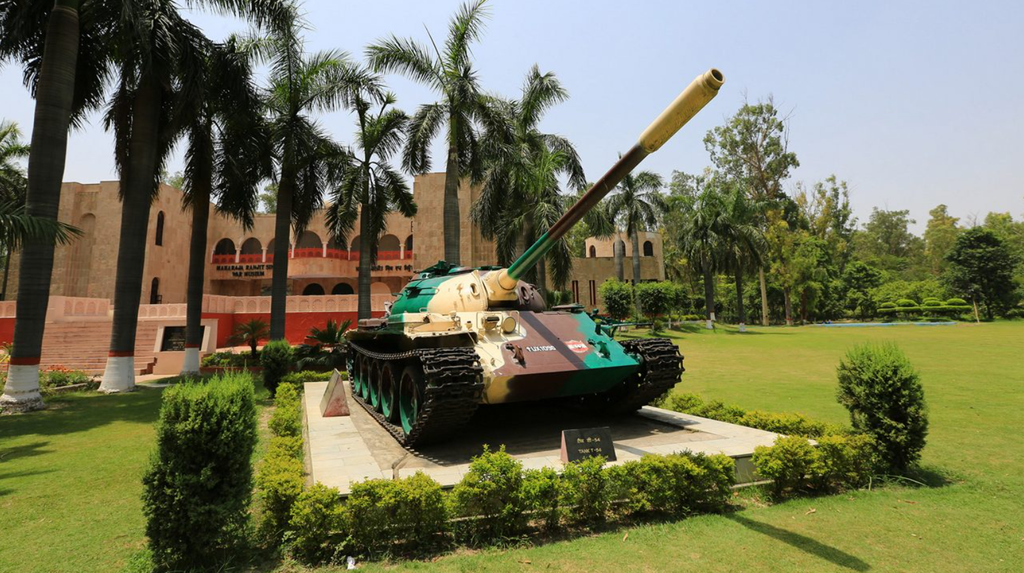
Ludhiana is often overlooked in lists of Punjab tourist places, but it provides insight into the state's modern economic identity.
The city is one of Punjab's major industrial and commercial centres. Visitors can explore the Maharaja Ranjit Singh War Museum, which presents India's military history through exhibits and displays.
Ludhiana is also useful for travellers interested in contemporary Punjabi life, shopping, local restaurants and urban culture.
For a deeper understanding of Punjab beyond religious tourism, spending time in Ludhiana can add useful context to a wider state itinerary.
5. Jalandhar - Religious Heritage and Local Culture
Jalandhar is another important entry among Punjab tourist places. The city combines religious sites, local markets and cultural attractions.
Devi Talab Mandir
Devi Talab Mandir is one of Jalandhar's best-known religious landmarks. The temple complex is associated with Hindu worship and contains a sacred water tank.
The city can be particularly useful as a stop for travellers travelling between Amritsar, Ludhiana and other destinations in Punjab.
6. Kapurthala - Punjab's Architectural Surprise
Kapurthala stands out among Punjab tourist places for its distinctive European-influenced architecture.
Jagatjit Palace
Jagatjit Palace reflects the cosmopolitan ambitions of Kapurthala's former royal family. Its architecture demonstrates how European design influences were incorporated into an Indian princely setting.
Moorish Mosque
The Moorish Mosque is another architectural highlight and demonstrates the diversity of religious and cultural influences found in Punjab.
Kapurthala is particularly appealing to travellers interested in architecture because its heritage differs noticeably from the Sikh gurdwara and Mughal monuments that dominate many Punjab itineraries.
7. Harike Wetland - A Natural Escape
Not all Punjab tourist places are religious or historical. Harike Wetland offers an important natural attraction in southern Punjab.
Created around the confluence of the Beas and Sutlej rivers, Harike is a major wetland ecosystem and an important destination for birdwatching.
Winter is particularly interesting for bird enthusiasts because migratory birds arrive in the region. Bring binoculars, maintain distance from wildlife and avoid disturbing nesting or feeding areas.
8. Pathankot and Mukteshwar Temple
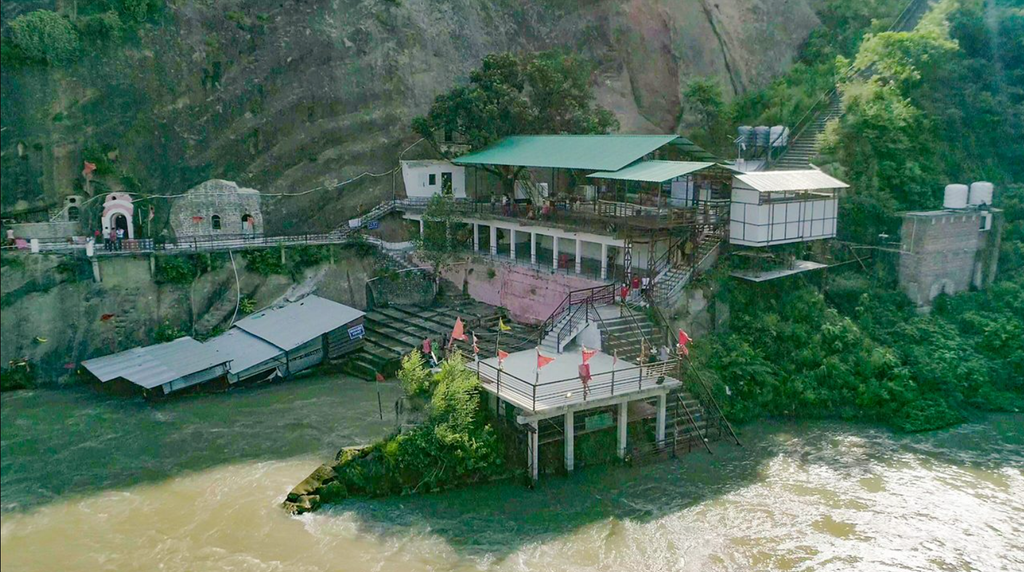
Pathankot provides a northern gateway to Punjab and the neighbouring Himalayan regions. It can therefore work well as part of a broader North India itinerary.
Nearby Mukteshwar Temple is associated with Lord Shiva and sits in a scenic setting. Incredible India identifies Pathankot's historical character and Mukteshwar Temple among the area's attractions.
The destination is particularly useful for travellers who want to combine Punjab with Himachal Pradesh or Jammu.
9. Bathinda - Forts and Historical Punjab
Bathinda is one of the older urban centres in Punjab and provides another perspective on the state's history.
Qila Mubarak
Bathinda's Qila Mubarak is an important historical fortification and one of the city's major landmarks. Its long association with northern India's political history makes it worthwhile for travellers interested in architecture and medieval heritage.
Bathinda can be included in a longer Punjab road trip rather than treated as a quick stop.
10. Rural Punjab - Villages, Farms and Food
Some of the most memorable Punjab tourist places are not formal attractions at all. Rural Punjab provides an opportunity to understand the agricultural landscape that has shaped the state's identity.
Visitors can explore traditional villages, agricultural fields, local markets and farm-based experiences. Rural tourism can offer insight into Punjabi food, folk music, Bhangra, Giddha, Phulkari and everyday community life.
Travellers should choose responsible experiences that involve local communities directly and avoid treating village life merely as a photographic backdrop.
Best Food to Try in Punjab
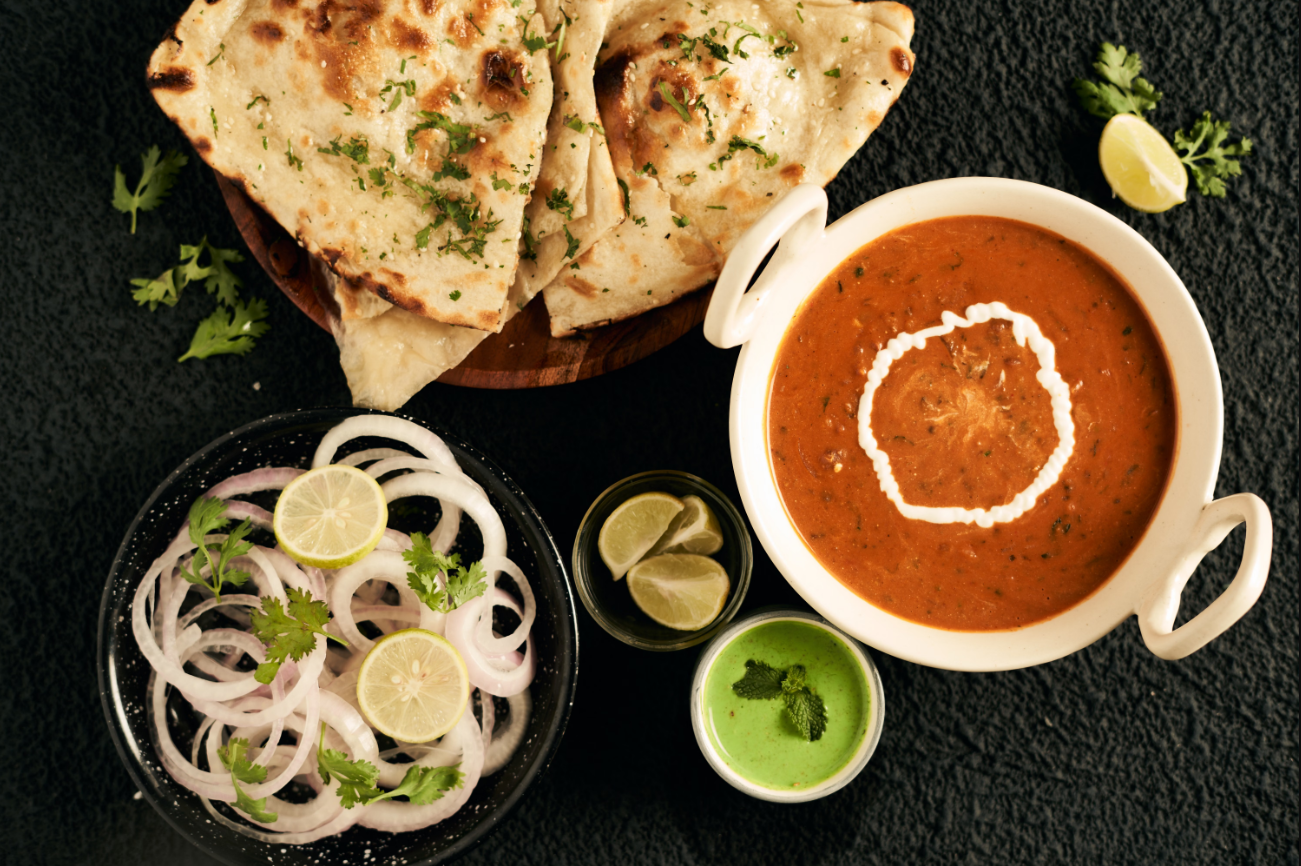
Food is an essential part of exploring Punjab tourist places. Amritsar is particularly well known for its food culture, with dishes and drinks including Amritsari kulcha, chole, lassi, paneer dishes, tandoori preparations and traditional sweets.
Other foods to look for include:
- Sarson da saag
- Makki di roti
- Dal makhani
- Amritsari fish
- Chole bhature
- Rajma
- Lassi
- Jalebi
- Phirni
- Punjabi pickles
At the Golden Temple, the Langar provides a completely different food experience, centred on communal service rather than commercial dining.
Best Time to Visit Punjab
The ideal time to explore most Punjab tourist places is generally October to March. Cooler weather makes walking, sightseeing and road trips more comfortable.
October and November can be pleasant for heritage exploration, while December and January can bring cold mornings and fog.
February and March are particularly suitable for combining sightseeing with outdoor activities before summer temperatures increase.
April to June can be extremely hot, particularly during the afternoon. If travelling during this period, schedule outdoor sightseeing for mornings and evenings.
How Many Days Do You Need?
A 5-7 day Punjab itinerary works well for first-time visitors.
A practical route could be:
Day 1: Amritsar - Golden Temple and Jallianwala Bagh
Day 2: Amritsar - Partition Museum, Gobindgarh Fort and Wagah Border
Day 3: Anandpur Sahib
Day 4: Patiala
Day 5: Kapurthala and Jalandhar
Day 6: Harike Wetland or rural Punjab
Day 7: Flexible day and departure
Travellers with only three days should concentrate on Amritsar and one additional destination rather than trying to cover the entire state.
Punjab Travel Tips
When visiting Punjab tourist places, keep the following practical points in mind:
- Dress respectfully at gurdwaras and temples.
- Cover your head inside Sikh gurdwaras.
- Remove footwear before entering religious complexes.
- Avoid intrusive photography during religious ceremonies.
- Keep some cash for smaller establishments.
- Confirm attraction timings before travelling.
- Book accommodation ahead during festivals.
- Leave extra time for road journeys.
- Try local food from reputable establishments.
- Respect memorial sites and religious spaces.
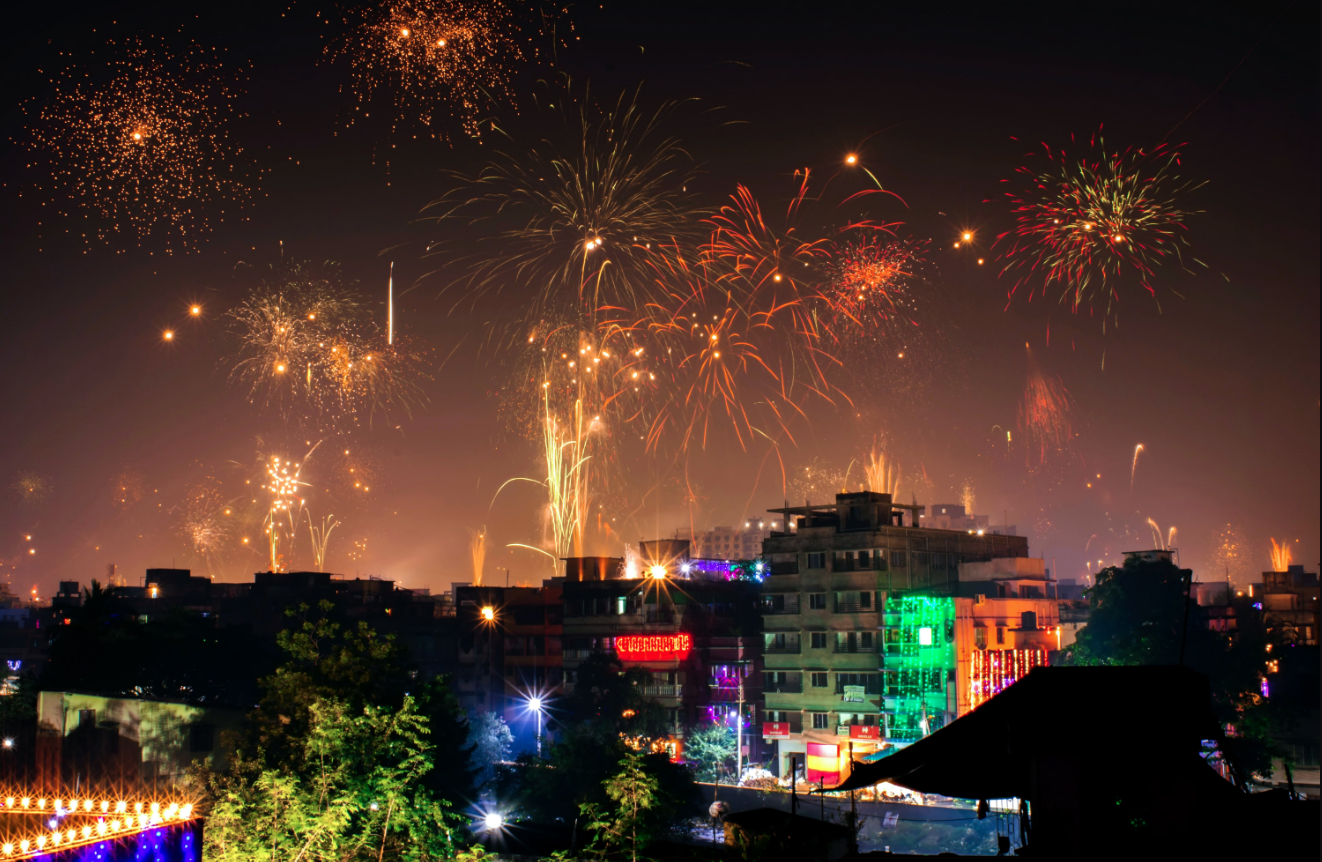
Amritsar is particularly busy during major festivals such as Baisakhi and Diwali, when the Golden Temple becomes especially vibrant.
Punjab Tourist Places for Different Travellers
The variety of Punjab tourist places means different travellers can create very different itineraries.
For spiritual travel: Amritsar and Anandpur Sahib are particularly significant.
For history: Amritsar, Patiala and Bathinda provide contrasting historical experiences.
For architecture: Patiala and Kapurthala are strong choices.
For nature: Harike Wetland offers a change from urban and heritage sightseeing.
For food: Amritsar is an obvious starting point, while rural areas provide opportunities to experience traditional Punjabi cooking.
For families: Amritsar, Patiala and selected heritage attractions offer a mixture of educational and cultural experiences.
Final Thoughts
The diversity of Punjab tourist places is what makes travelling through the state rewarding. The Golden Temple represents Punjab's spiritual heritage, Jallianwala Bagh preserves a difficult chapter of India's history, Anandpur Sahib connects visitors with the formation of the Khalsa, while Patiala and Kapurthala reveal the architectural legacy of Punjab's princely states.
Beyond these famous attractions, Punjab's food, music, crafts, agricultural landscapes and village traditions provide another layer to the journey. Rather than rushing between every landmark, allow time to experience the cultural context behind each destination.
A well-planned trip through the Punjab tourist places can therefore become much more than a conventional sightseeing holiday: it can introduce travellers to the state's religious traditions, historical memory, royal heritage, natural environments and living Punjabi culture.