North India brings together some of the country's most celebrated monuments, Himalayan landscapes, colourful cities and spiritual destinations. The places to visit in north india range from the Taj Mahal in Agra and Jaipur's royal palaces to Kashmir's lakes, Himachal Pradesh's mountain towns and the sacred ghats of Varanasi.
Each destination offers a different experience, whether you are interested in history, food, adventure, wildlife or cultural traditions. Planning the places to visit in north india around nearby regions is important because distances can be substantial, and mountain journeys often take longer than expected. This guide highlights destinations worth considering, what to see at each one and how to plan a more rewarding trip.
Also Read - 12 Romantic Honeymoon Destinations to Visit in December
This post contains affiliate links. If you choose to book through them, a small commission may be earned at no additional cost to you. Your support genuinely helps keep the blog running and allows continued creation of high-quality travel guides. Thank you for being here and supporting this journey.
1. Delhi
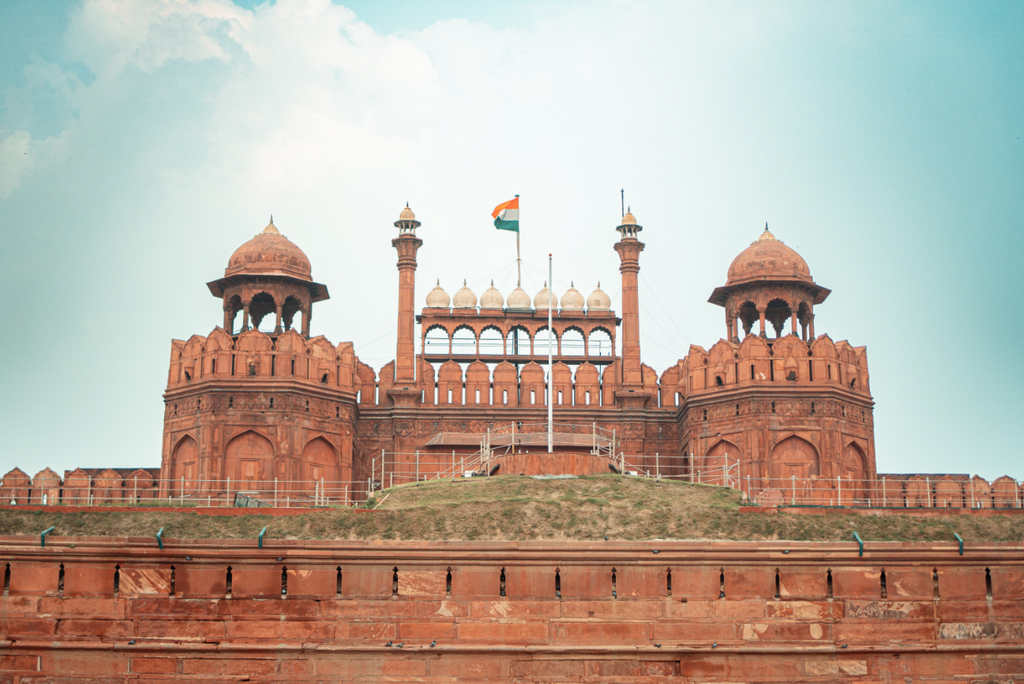
Delhi is an excellent starting point for exploring the places to visit in north india, offering a combination of Mughal monuments, colonial architecture, street food and busy markets.
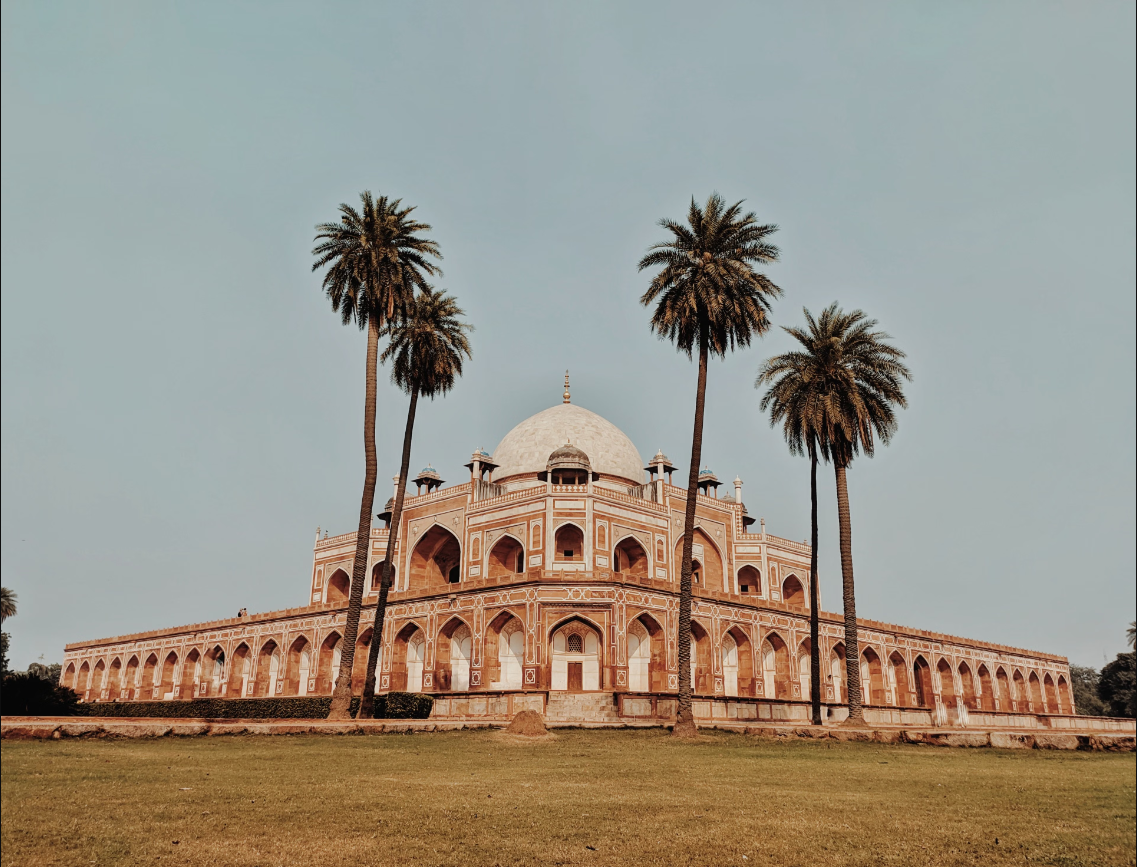
Top attractions: Red Fort, Qutub Minar, Humayun's Tomb, India Gate and Jama Masjid.
Things to do: Explore Old Delhi's lanes, sample local food, visit historic monuments and use the Delhi Metro to move between major areas.
Best time to visit: October to March, when temperatures are generally more comfortable for sightseeing.
Allow two or three days to experience both Old and New Delhi. Start early at popular monuments and plan outdoor visits around the weather, as winter fog can sometimes delay flights and trains. Among the places to visit in north india, Delhi provides the widest introduction to the region's food, history and contemporary culture.
2. Agra, Uttar Pradesh - The City of the Taj Mahal
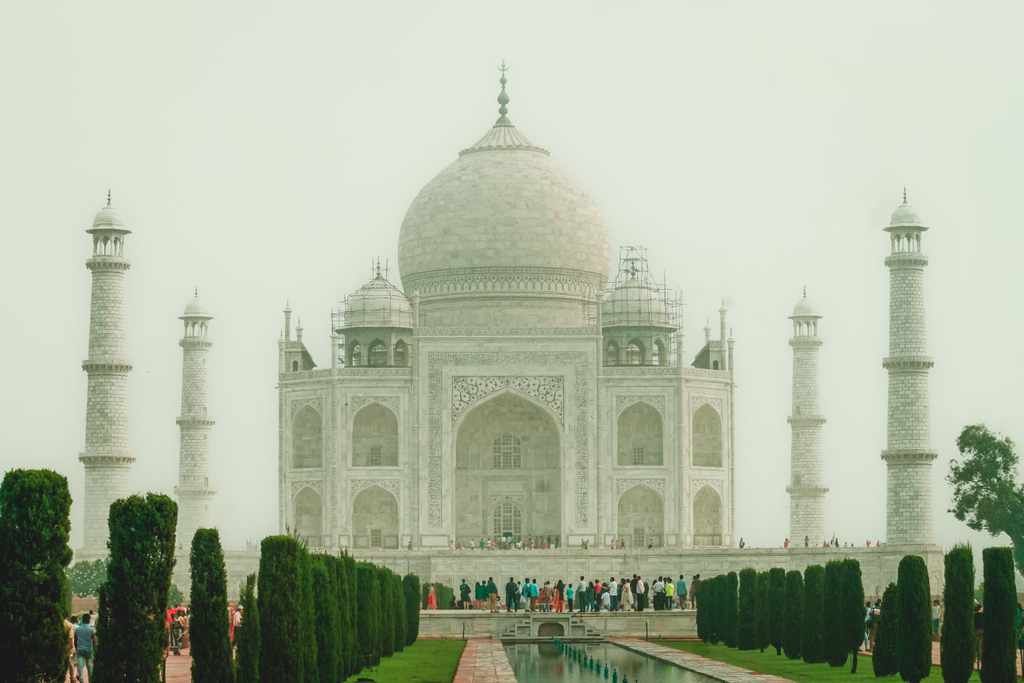
Agra is one of the most iconic places to visit in north india, best known for the Taj Mahal, a UNESCO World Heritage Site and one of the world's most recognisable monuments.
Top attractions: Taj Mahal, Agra Fort and the nearby heritage city of Fatehpur Sikri.
Things to do: Visit the Taj Mahal early in the morning, explore Agra Fort and try the city's traditional petha sweet.
Best time to visit: October to March.
A one- or two-day visit is usually sufficient for the principal sights. The Taj Mahal is closed to visitors on Fridays, so plan your dates carefully and check official ticketing information before travelling. Agra is also a natural stop on the classic Delhi-Agra-Jaipur route, making it one of the easiest places to visit in north india to include in a first trip.
3. Jaipur, Rajasthan
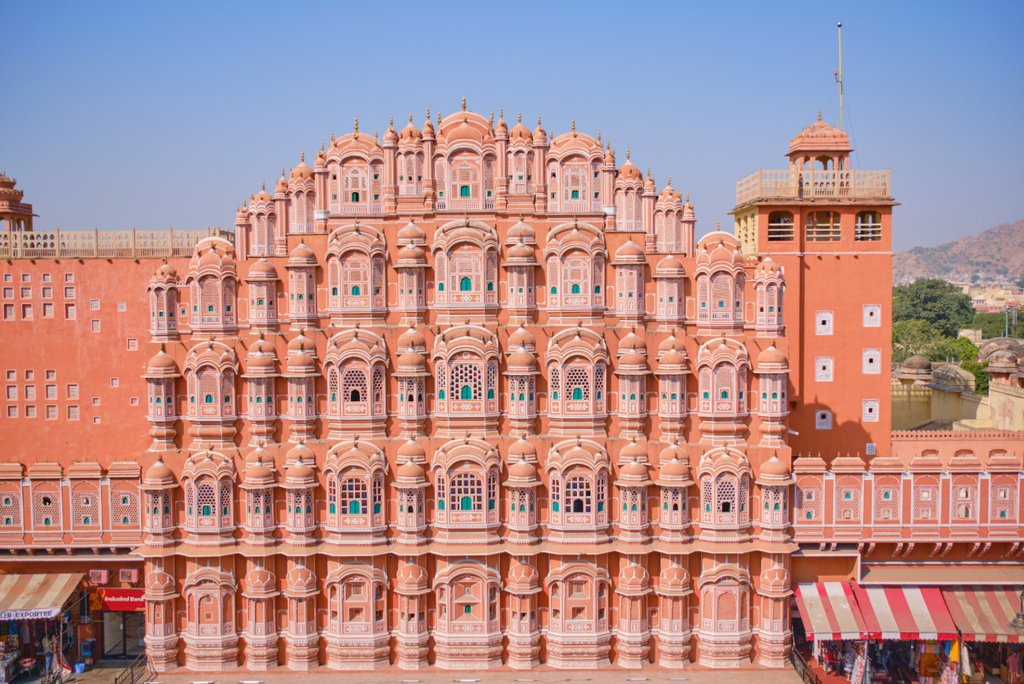
Jaipur, the Pink City, is among the most colourful places to visit in north india. Its historic architecture, traditional crafts, lively bazaars and Rajasthani cuisine make it a rewarding destination for culture-focused travellers.
Top attractions: Amber Fort, Hawa Mahal, City Palace and Jantar Mantar.
Things to do: Explore the old city's markets, admire the palace architecture and sample dal baati churma or a traditional Rajasthani thali.
Best time to visit: October to March.
Spend at least two or three days exploring Jaipur without rushing. Visit major forts early to avoid the strongest afternoon sun, and leave time for local markets selling textiles, jewellery and handicrafts. For travellers choosing places to visit in north india for architecture and shopping, Jaipur is one of the strongest options.
4. Varanasi, Uttar Pradesh
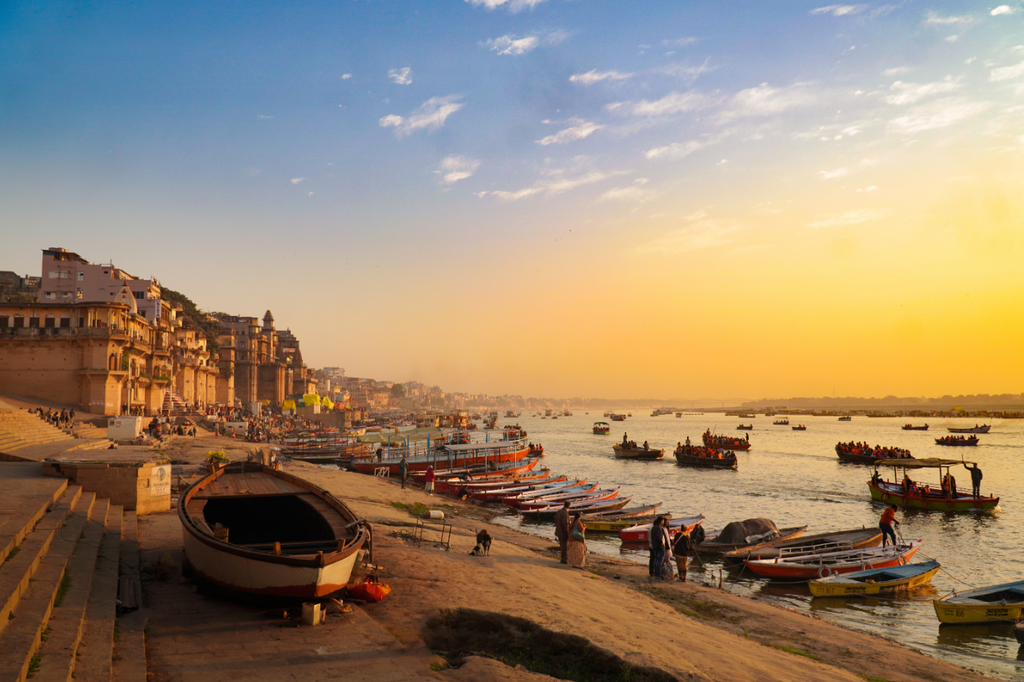
Varanasi offers an experience very different from the region's hill stations and royal cities. It is one of the most culturally significant places to visit in north india, known for its riverside ghats, temples, narrow lanes and centuries-old religious traditions.
Top attractions: Dashashwamedh Ghat, Assi Ghat, Kashi Vishwanath Temple and nearby Sarnath.
Things to do: Take a boat ride on the Ganges, observe the evening Ganga Aarti respectfully and explore the city's food and craft traditions.
Best time to visit: October to March.
Allow two or three days, particularly if you want to experience the ghats at both sunrise and evening. Varanasi is a living religious city, so visitors should dress respectfully, follow photography restrictions and be considerate around ceremonies. It belongs among the places to visit in north india for travellers interested in spirituality and cultural immersion.
Also Read - Honeymoon in Maldives: Where Romance Becomes an Experience, Not Just a Destination
5. Amritsar, Punjab
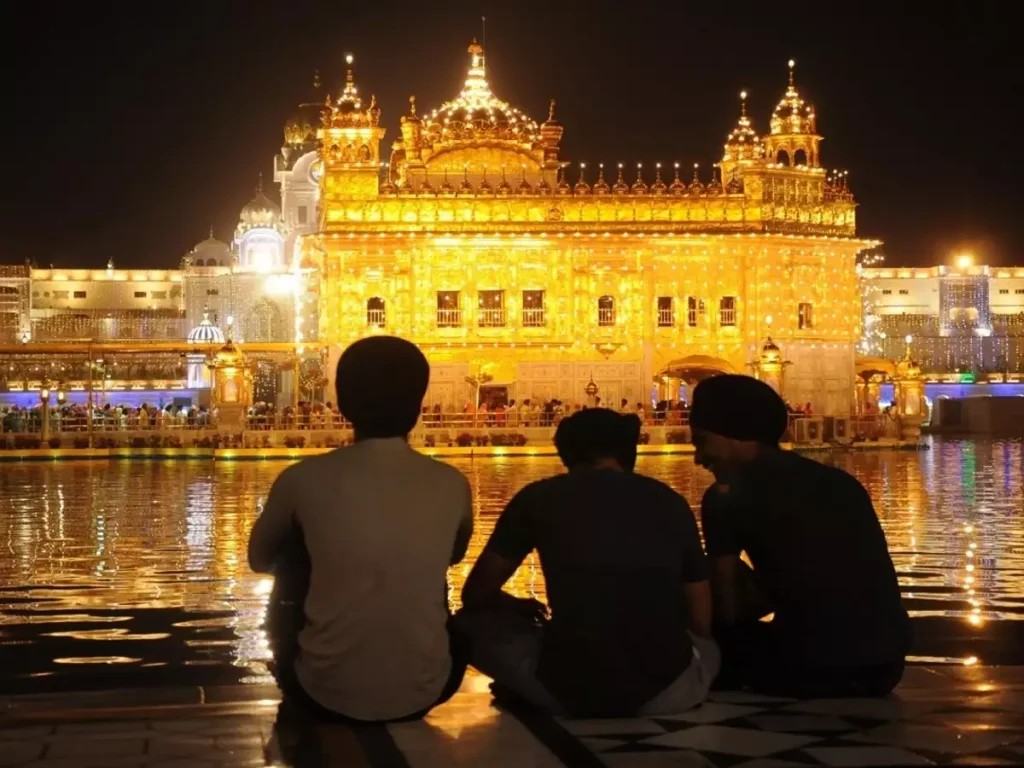
Amritsar is one of the most memorable places to visit in north india, combining Sikh heritage, remarkable hospitality and a celebrated food culture.
Top attractions: Golden Temple, Jallianwala Bagh and the Wagah-Attari border ceremony area.
Things to do: Visit the Golden Temple, experience the community kitchen known as langar, explore historic sites and sample Amritsari kulcha.
Best time to visit: October to March for generally comfortable sightseeing.
Two days can cover the main attractions. At the Golden Temple, cover your head, remove your shoes and follow the site's visitor guidance. Border ceremony timings and access arrangements can change, so confirm details locally. Amritsar is an excellent addition to the places to visit in north india for travellers who want history, food and living cultural traditions in one destination.
6. Rishikesh, Uttarakhand
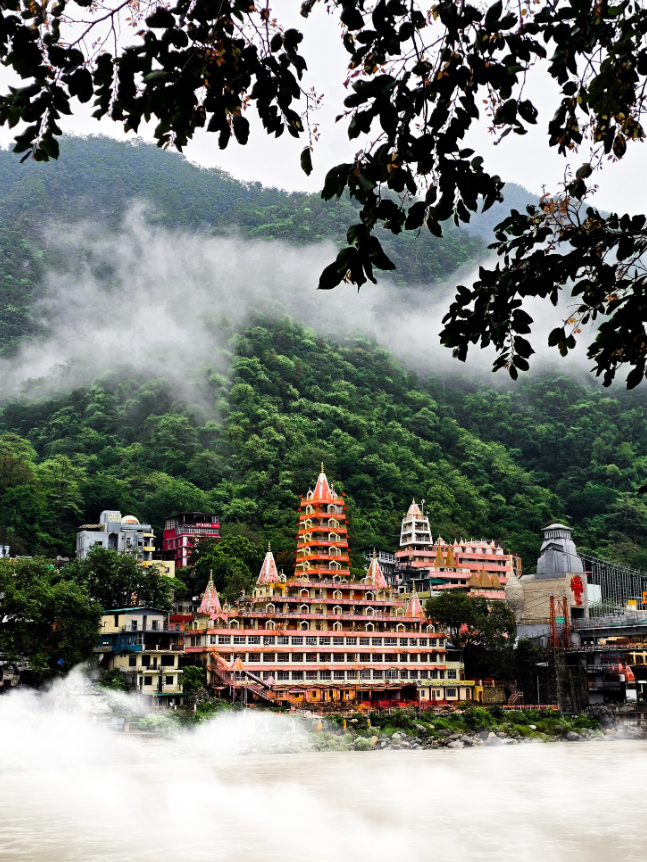
Rishikesh sits beside the Ganges at the Himalayan foothills and is known for yoga, ashrams, suspension bridges and outdoor adventure. It is among the places to visit in north india that appeal to both spiritual travellers and active holidaymakers.
Top attractions: Ram Jhula, Lakshman Jhula area, Triveni Ghat and nearby waterfalls and viewpoints.
Things to do: Attend an evening river ceremony, join a yoga session, explore cafés and arrange authorised rafting trips when the season and river conditions permit.
Best time to visit: September to June, with activity availability varying by season.
Allow two or three days, or combine Rishikesh with Haridwar for a longer trip. White-water rafting and other adventure activities should be booked through reputable operators and avoided when authorities restrict access. Among the places to visit in north india, Rishikesh offers a distinctive mix of outdoor experiences and spiritual culture.
7. Shimla, Himachal Pradesh
Shimla is one of the classic places to visit in north india for travellers seeking cool weather, mountain scenery and heritage architecture. Its pedestrian-friendly central areas, cafés and surrounding hills make it popular with families and couples.
Top attractions: The Ridge, Mall Road, Christ Church and the surrounding Kufri area.
Things to do: Explore the historic town centre, enjoy mountain viewpoints and take a heritage railway journey where the route and schedule suit your plans.
Best time to visit: March to June for a summer escape; winter for a chance of snow, although snowfall is not guaranteed.
Two or three days is enough for a short visit. Winter roads may become icy, and heavy snowfall can disrupt transport. If snow is your main reason for travelling, check recent weather reports rather than relying on seasonal expectations. Shimla remains one of the most accessible mountain places to visit in north india for a conventional hill-station holiday.
8. Manali, Himachal Pradesh
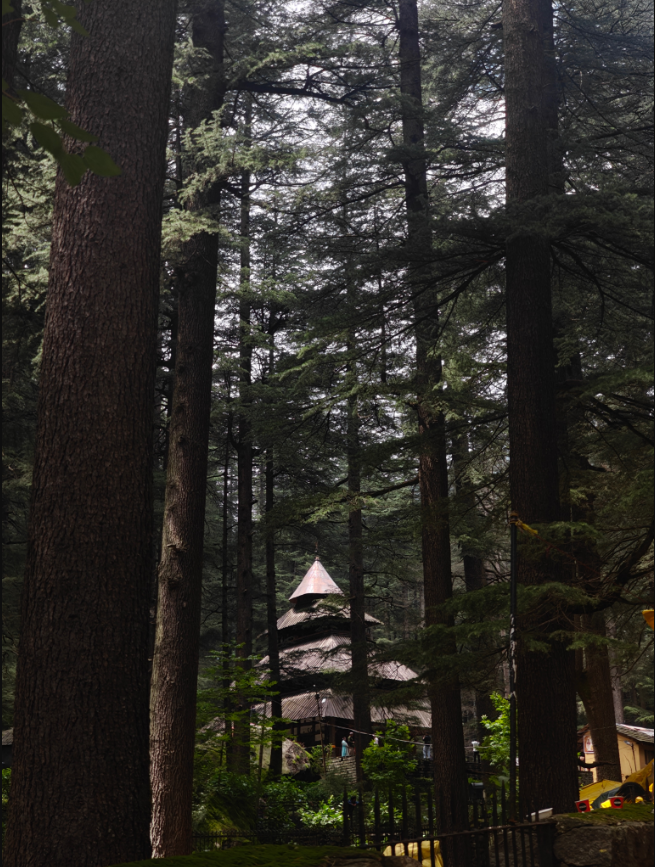
Manali is a popular Himalayan destination for couples, families and adventure enthusiasts. Its mountain scenery, riverside settings and nearby valleys make it one of the most versatile places to visit in north india.
Top attractions: Hadimba Devi Temple, Old Manali, Solang Valley and the surrounding Kullu Valley.
Things to do: Explore local cafés, enjoy forest walks, try seasonal snow activities and arrange guided outdoor excursions.
Best time to visit: March to June for milder mountain weather; winter for snow experiences when conditions allow.
Plan three or four days to enjoy the destination without rushing. Snow activities depend on weather and local permissions, and access to high mountain roads can be restricted in winter. Manali is one of the places to visit in north india best suited to travellers who want a combination of scenery, adventure and accommodation choices.
9. Srinagar, Kashmir
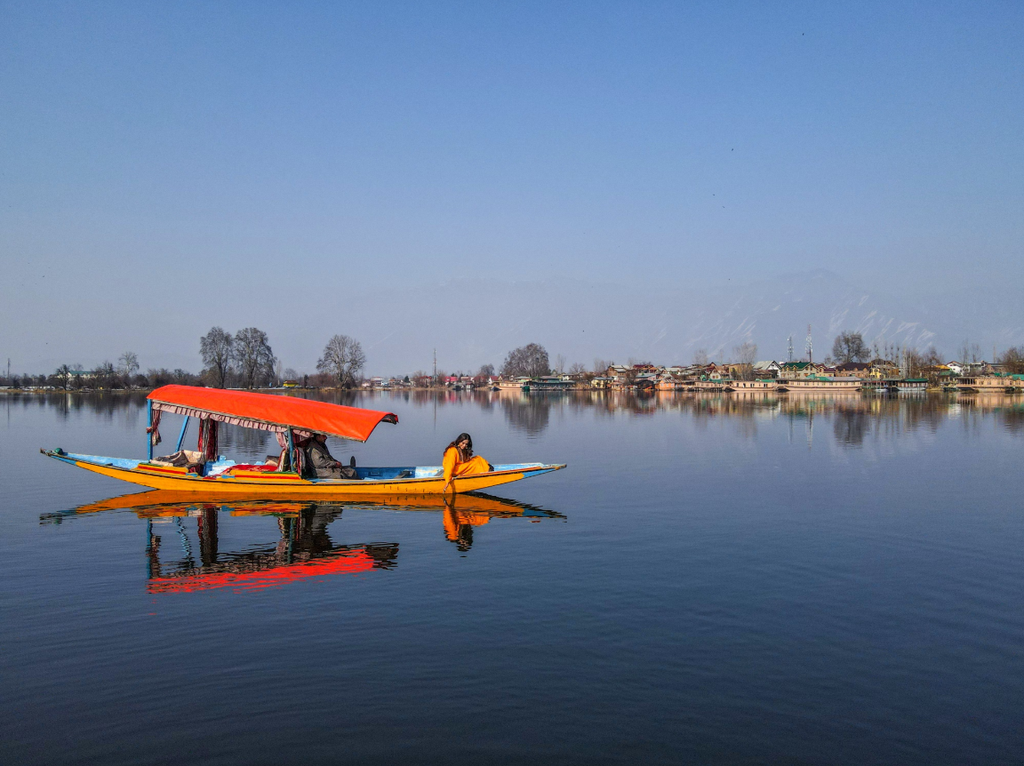
Srinagar is known for Dal Lake, traditional houseboats, Mughal gardens and views of the surrounding mountains. It is among the most scenic places to visit in north india, particularly for couples and travellers interested in landscapes and local culture.
Top attractions: Dal Lake, Nishat Bagh, Shalimar Bagh and the old city's historic areas.
Things to do: Take a shikara ride, stay in a houseboat, explore gardens and sample Kashmiri cuisine.
Best time to visit: April to October for gardens and milder conditions; winter for a colder atmosphere and possible snow in the wider region.
Allow three or four days, and consider a separate excursion to Gulmarg or Pahalgam if roads and local conditions permit. Weather, transport and security conditions can change, so check current official travel guidance before departure. Srinagar is one of the places to visit in north india that rewards a flexible itinerary and careful planning.
10. Nainital, Uttarakhand
Nainital is a charming hill town built around Naini Lake, with forested hills, viewpoints and a relaxed holiday atmosphere. It is one of the places to visit in north india that works particularly well for families and shorter mountain breaks.
Top attractions: Naini Lake, Naina Devi Temple, Snow View Point and the Mall Road area.
Things to do: Enjoy boating when available, take a cable-car ride subject to operations, explore viewpoints and browse local shops.
Best time to visit: March to June for a popular summer break; October to February for cooler weather.
Two or three days is a practical duration. Weekends and school holidays can be busy, so book accommodation early and consider staying slightly away from the busiest lakefront areas. Among the places to visit in north india, Nainital offers an accessible mix of lake scenery and hill-station activities.
11. Jaisalmer, Rajasthan
Jaisalmer brings desert scenery, sandstone architecture and traditional Rajasthani culture into the list of places to visit in north india. Its golden fort rises above the city, while nearby dunes offer a different experience from the Himalayan destinations.
Top attractions: Jaisalmer Fort, Patwon Ki Haveli, Gadisar Lake and the Sam Sand Dunes area.
Things to do: Explore historic havelis, browse local craft shops and book a responsible desert excursion with an established operator.
Best time to visit: November to February, when daytime conditions are generally more comfortable.
Allow two or three days for the city and a desert experience. Desert nights can be cold in winter, so pack warm layers. Choose operators carefully and clarify what is included in a camel ride, cultural programme or overnight camp. Jaisalmer is one of the places to visit in north india that offers a striking contrast to the region's forests and mountains.
12. Leh-Ladakh
Ladakh offers stark mountains, high-altitude lakes, ancient monasteries and distinctive Himalayan culture. It is one of the most dramatic places to visit in north india, but it requires more preparation than most destinations on this list.
Top attractions: Leh Palace, Thiksey Monastery, Pangong Lake and the Nubra Valley, subject to road access.
Things to do: Explore monasteries, enjoy high-altitude landscapes and arrange guided excursions after allowing time to acclimatise.
Best time to visit: Generally June to September for many road-based itineraries, depending on snow and access conditions.
Plan at least five to seven days, and longer if you intend to visit remote valleys. Spend the initial period acclimatising, stay hydrated and seek medical advice if you have concerns about high altitude. Road openings and permits can change, so confirm arrangements before travelling. Ladakh is one of the places to visit in north india best suited to travellers who enjoy remote landscapes and are willing to plan carefully.
Best Time to Visit North India
The ideal season depends on the region:
- October to March: Generally suitable for Delhi, Agra, Jaipur, Varanasi and Amritsar.
- March to June: Popular for hill stations such as Shimla, Manali and Nainital.
- June to September: Often the main travel window for many Ladakh road itineraries, subject to conditions.
- Winter months: Can bring snow to some Himalayan destinations, but closures and transport delays are possible.
The places to visit in north india span plains, deserts and high mountains, so there is no single perfect season for every destination. Check forecasts, road conditions and attraction schedules before confirming your route.
How to Plan Your North India Trip
For a first visit, avoid trying to cover every destination in one journey. A Delhi-Agra-Jaipur itinerary works well for history and architecture, while a separate trip to Shimla or Manali offers more time in the mountains. Rishikesh can be combined with Haridwar, and Srinagar can serve as a base for exploring Kashmir when conditions permit.
Choose two or three nearby destinations for a week-long holiday, allowing enough time for travel between them. The best places to visit in north india are those that fit your interests and available time rather than simply the longest list of famous attractions.
Final Thoughts
The places to visit in north india offer an extraordinary range of experiences, from the Taj Mahal and Jaipur's royal heritage to Amritsar's Golden Temple, Varanasi's riverside rituals and Ladakh's high-altitude landscapes. Delhi and Agra are excellent for first-time cultural trips, while Manali, Nainital and Srinagar suit travellers looking for mountain scenery. Rishikesh and Jaisalmer provide very different adventures, from river activities to desert nights.
Plan by region, choose a season that suits your destinations and leave room for unexpected changes in weather or transport. With a thoughtful itinerary, the places to visit in north india can provide a rewarding journey through India's history, landscapes, food and living traditions.