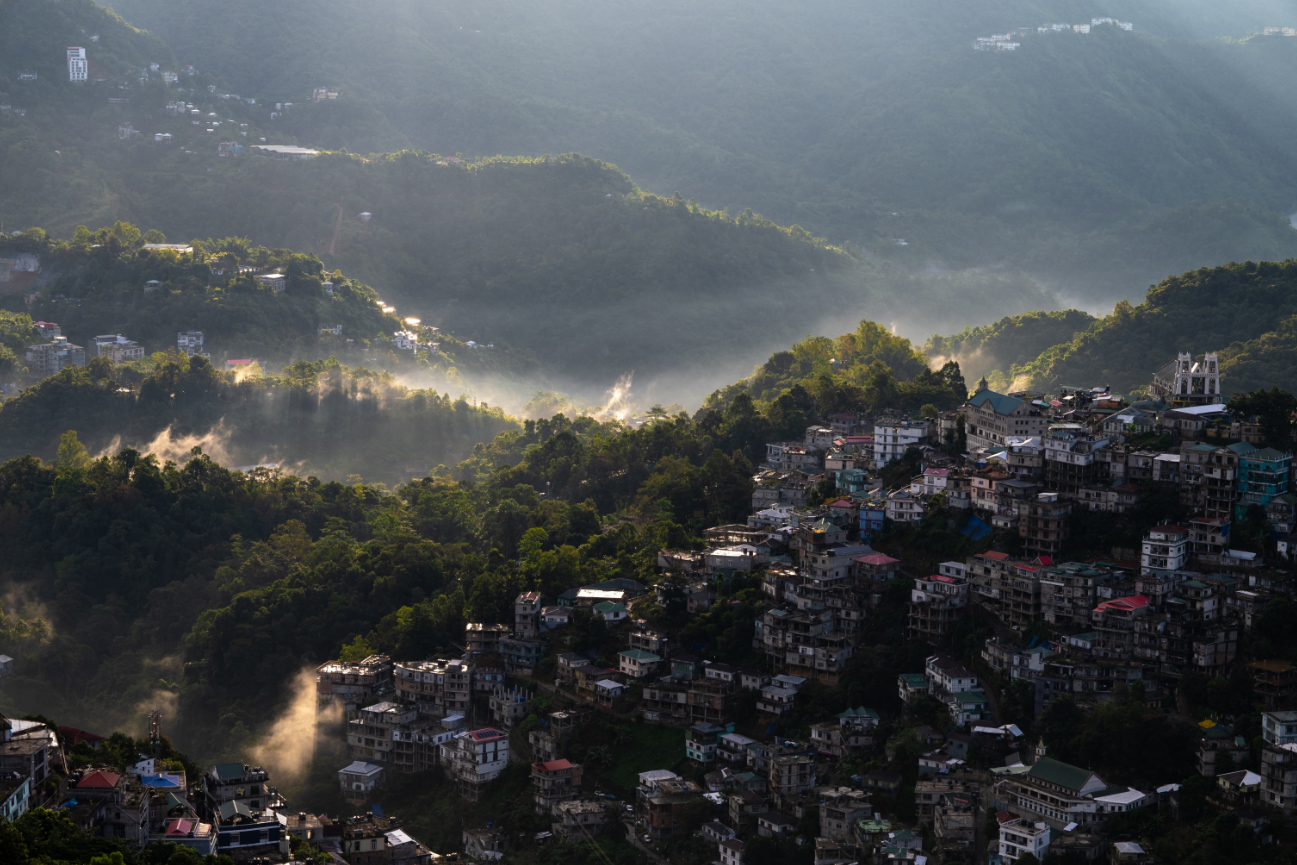
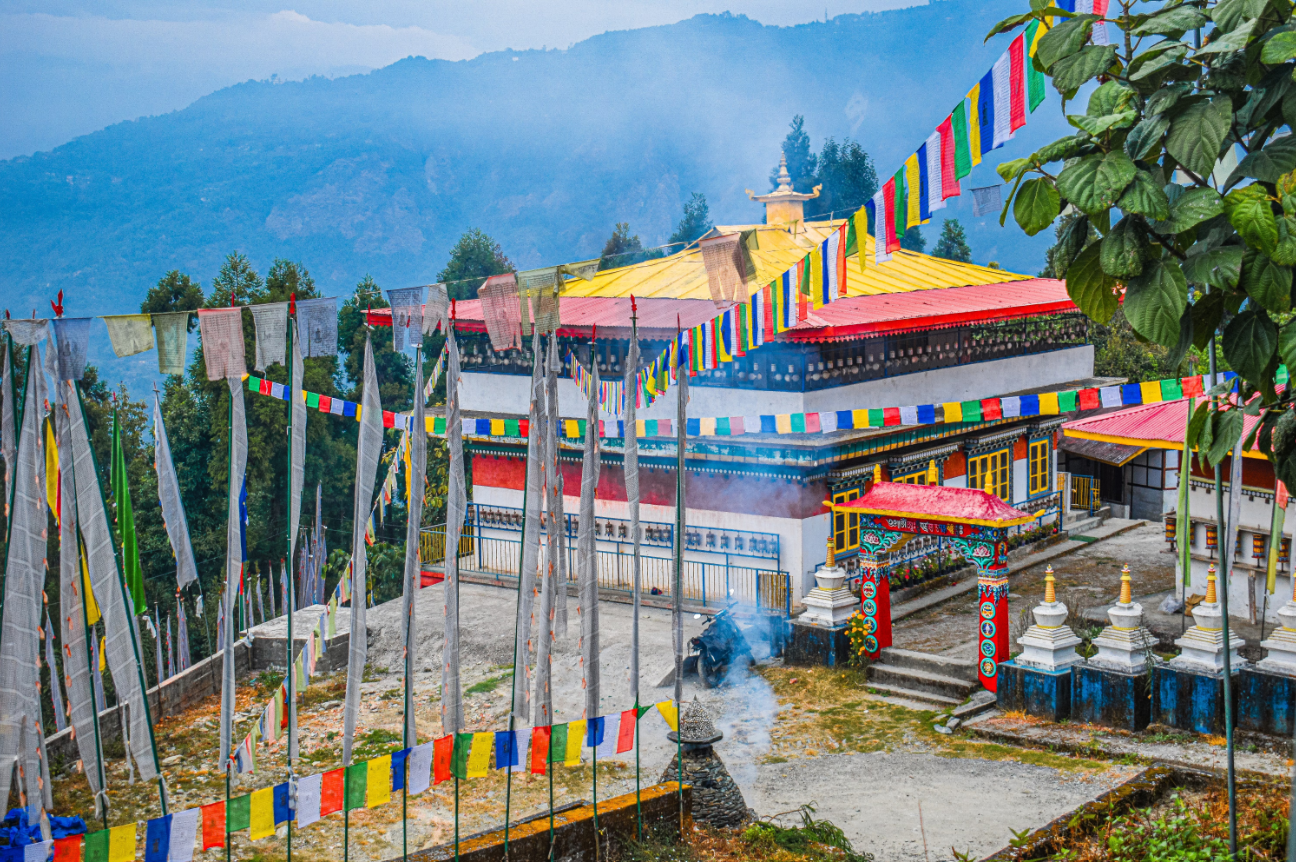
The offbeat hill stations in India offer a refreshing alternative to crowded destinations such as Shimla, Manali and Mussoorie. From quiet Himalayan villages and pine-covered valleys to misty forests and remote mountain towns, these destinations let travellers experience nature at a slower pace. The offbeat hill stations in India are ideal for those seeking scenic road trips, peaceful homestays, local culture, trekking routes and spectacular mountain views without following conventional tourist itineraries.
Whether you prefer the lush landscapes of the Northeast, the forests of Himachal Pradesh or the green hills of Maharashtra and southern India, there are plenty of lesser-known destinations to explore. This guide to the offbeat hill stations in India highlights 12 places worth considering, alongside their attractions, best visiting seasons and practical travel advice.
Also Read - Hill Stations in South India: 15 Beautiful Mountain Destinations
This post contains affiliate links. If you choose to book through them, a small commission may be earned at no additional cost to you. Your support genuinely helps keep the blog running and allows continued creation of high-quality travel guides. Thank you for being here and supporting this journey.
12 Best Offbeat Hill Stations in India
01 Shoja, Himachal Pradesh
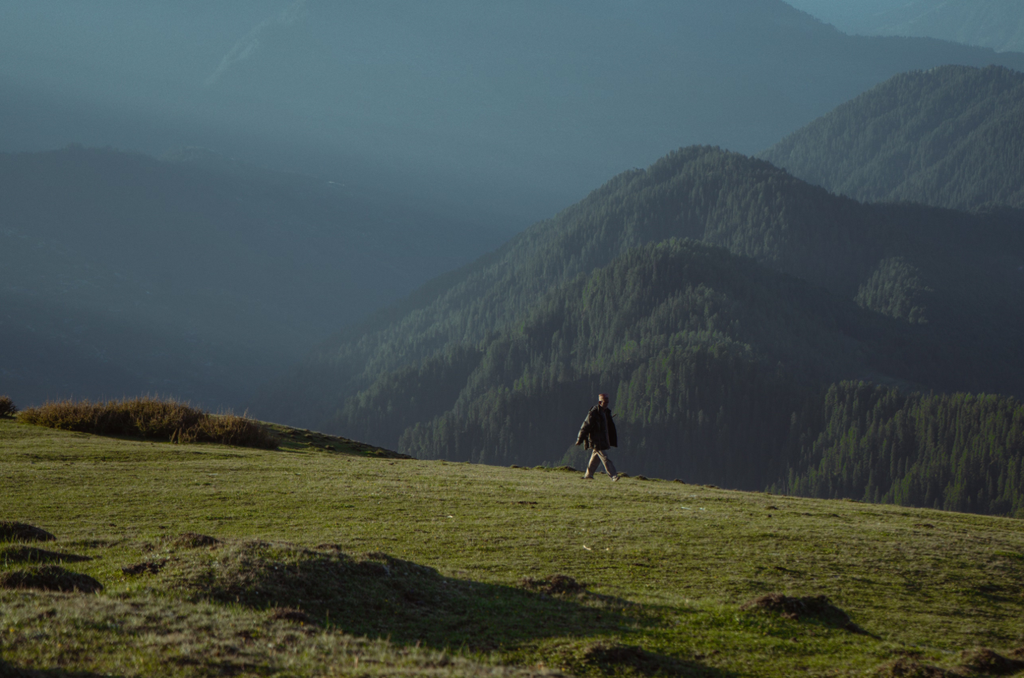
Shoja is one of the most peaceful offbeat hill stations in India, tucked away in the Seraj Valley near Jalori Pass. Surrounded by pine forests, traditional wooden homes and mountain scenery, this small village is ideal for travellers seeking solitude. Popular experiences include forest walks, visiting Jalori Pass and exploring nearby Serolsar Lake when trails are open. Shoja is especially appealing to couples, photographers and people looking for a quiet homestay holiday. April to June and September to October are generally suitable for visiting, although mountain weather can change quickly. Check road conditions before travelling, particularly during winter and the monsoon.
02 Chikhaldara, Maharashtra
Chikhaldara is among the lesser-known offbeat hill stations in India, located in Maharashtra's Vidarbha region. Unlike the Himalayan destinations, it offers forested hills, coffee plantations, deep valleys and wildlife experiences. Bhimkund, scenic viewpoints and Gawilgarh Fort are notable attractions, while the nearby Melghat landscape appeals to nature enthusiasts. The destination is suitable for families, photographers and travellers exploring central India. October to February is generally comfortable for sightseeing, while the monsoon brings greener scenery and possible travel disruptions. Chikhaldara is a particularly good option for people who want a mountain holiday without travelling to the far north of the country.
03 Haflong, Assam
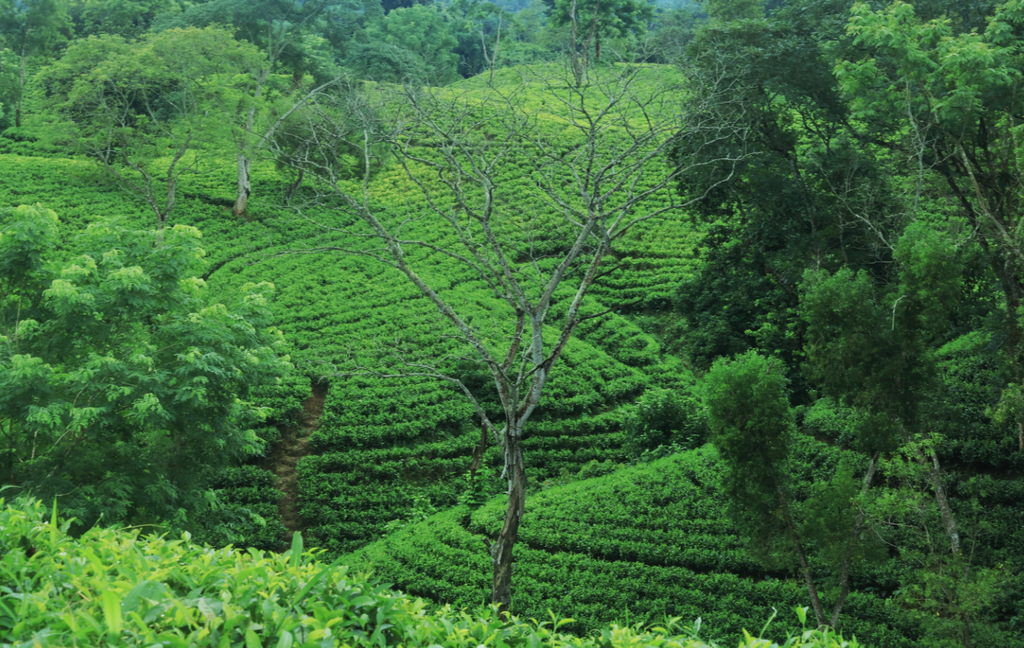
Haflong is often described as Assam's principal hill town and is a rewarding choice among the offbeat hill stations in India. Located in the Dima Hasao district, it is known for rolling green hills, tranquil lakes, surrounding villages and a mix of local cultures. Haflong Lake is a convenient starting point for exploring the town, while the surrounding countryside offers opportunities for scenic drives and photography. The destination is suitable for travellers who prefer peaceful surroundings over busy resort areas. October to April is often a practical period for sightseeing, although rainfall and transport conditions should be checked before departure. Allow time to enjoy the landscape rather than rushing between attractions.
04 Lambasingi, Andhra Pradesh
Lambasingi is one of the most unusual offbeat hill stations in India, located in the Eastern Ghats of Andhra Pradesh. Its cool winter mornings, misty hills, coffee plantations and forested surroundings create an atmospheric rural escape. The village is particularly popular with travellers hoping to experience unusually cold conditions in southern India. Nearby countryside roads and plantation landscapes provide opportunities for photography and relaxed exploration. November to February is generally a good period to experience its cooler weather, although frost or extremely low temperatures are not guaranteed. Facilities can be limited, so arrange accommodation and transport in advance, and avoid assuming that snowfall occurs here.
05 Ziro Valley, Arunachal Pradesh
Ziro Valley is a distinctive addition to the offbeat hill stations in India, combining pine-covered hills, open rice fields and the cultural heritage of the Apatani community. Rather than a conventional resort town, Ziro offers an opportunity to experience rural life, traditional architecture and a quieter mountain environment. Visitors can enjoy countryside walks, explore local villages respectfully and discover regional food. The valley also hosts the well-known Ziro Music Festival, which attracts visitors during its scheduled dates. March to October can offer varied landscapes, although rain affects travel conditions. Visitors should check current entry requirements for Arunachal Pradesh and seek permission before photographing residents or private property.
06 Dhanaulti, Uttarakhand
Dhanaulti is one of the appealing offbeat hill stations in India for travellers seeking a quieter alternative to Mussoorie. Located amid the forests of Uttarakhand, it is known for deodar trees, cool weather and views of the surrounding mountains. Eco parks, forest walks and scenic drives are among the main attractions. The destination works well for couples, families and weekend travellers who want a slower itinerary. March to June is popular for escaping the heat, while winter can bring very cold conditions and occasional snowfall. Because accommodation and services are more limited than in larger towns, booking ahead is advisable during holidays.
07 Barot Valley, Himachal Pradesh
Barot Valley is a scenic choice among the offbeat hill stations in India, especially for travellers who enjoy rivers, forest trails and quiet mountain villages. Located in Himachal Pradesh, it is associated with the Uhl River, trout fishing and surrounding pine-covered slopes. Visitors can enjoy riverside walks, photography and short hikes, while nearby countryside offers a slower alternative to crowded tourist towns. Spring and autumn are often suitable for exploring the valley, although weather conditions vary. Barot is less developed than major resorts, so plan accommodation, transport and meals in advance. Respect local fishing rules and avoid entering rivers during strong currents or heavy rainfall.
08 Auli, Uttarakhand
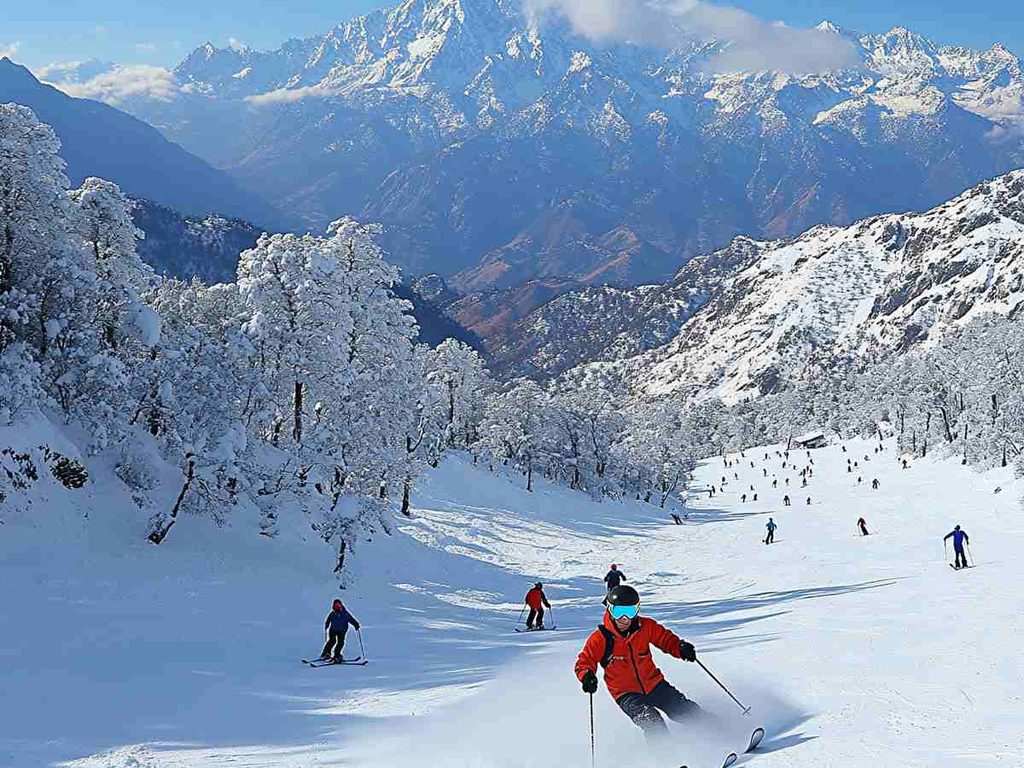
Auli is one of the most scenic offbeat hill stations in India for travellers drawn to alpine landscapes and adventure activities. Located in the Garhwal Himalayas, it is known for snow-covered slopes in winter, panoramic mountain views and skiing opportunities when conditions permit. In warmer months, the surrounding meadows and mountain trails attract hikers and photographers. Auli is more developed than some destinations on this list, but it can still offer a quieter experience outside peak holiday periods. December to March is popular for winter scenery, while spring and early summer suit many outdoor activities. Check snow conditions, road access and lift operations before booking.
09 Pelling, Sikkim
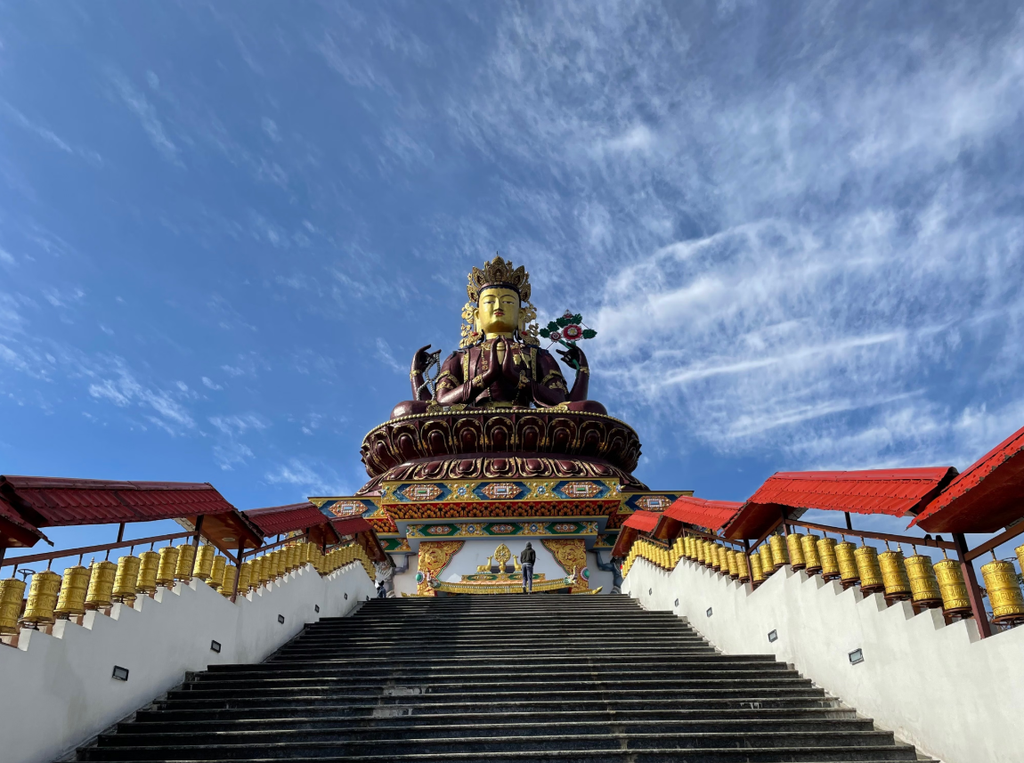
Pelling is a rewarding destination among the offbeat hill stations in India, offering dramatic views of the Kanchenjunga range, forested valleys and Buddhist cultural landmarks. Popular attractions include Pemayangtse Monastery, Rabdentse Ruins and the scenic Skywalk area. The surrounding landscape provides opportunities for photography, relaxed sightseeing and short excursions into the countryside. Pelling is suitable for couples, families and travellers interested in combining mountain scenery with cultural experiences. October to May is often favourable for clearer views, although visibility depends on weather. Travellers should allow extra time for winding roads and check local access conditions before visiting remote attractions.
10 Shoja's Neighbour, Kanatal, Uttarakhand
Kanatal is one of the more relaxing offbeat hill stations in India, surrounded by forests, orchards and Himalayan foothill scenery. Located within reach of Mussoorie and Chamba, it offers a quieter setting for camping, nature walks and scenic drives. Visitors can explore forested areas, enjoy views across the mountains and stay in small resorts or homestays. The destination suits couples, families and travellers seeking a short break from city life. March to June and September to November are often comfortable periods to visit. Check the weather before booking camping or outdoor activities, and choose operators who follow proper safety practices.
11 Kausani, Uttarakhand
Kausani is a peaceful destination among the offbeat hill stations in India, celebrated for panoramic Himalayan views and a relaxed countryside atmosphere. On clear days, visitors may see prominent peaks including Nanda Devi and Trishul. Attractions include Anasakti Ashram, local tea gardens and walking routes around the village. Kausani is particularly suitable for photographers, couples and travellers who prefer quiet mornings and scenic viewpoints over crowded entertainment areas. October to April can offer rewarding mountain views, depending on weather conditions. A stay of one or two nights allows time to enjoy the scenery and explore nearby villages without rushing.
12 Araku Valley, Andhra Pradesh
Araku Valley is among the most attractive offbeat hill stations in India for travellers who want a combination of nature, local culture and scenic journeys. Located in the Eastern Ghats, it is known for coffee plantations, green valleys and the cultural traditions of local tribal communities. Visitors can explore the Araku Tribal Museum, enjoy regional coffee and visit nearby Borra Caves. The train journey from Visakhapatnam is another highlight, passing through tunnels and mountain scenery. October to March is generally suitable for sightseeing. Travellers should arrange transport for attractions outside the main valley and engage respectfully with local communities.
Best Time to Visit Offbeat Hill Stations in India
The best time to explore offbeat hill stations in India depends on their altitude, location and the experiences you want. Himalayan destinations often offer pleasant summer weather and snowy winters, while the hill regions of central and southern India have different rainfall patterns.
| Season | Travel experience |
|---|---|
| October-February | Crisp mountain air, winter scenery and comfortable sightseeing in many regions |
| March-June | Popular for Himalayan escapes, forest walks and escaping the heat of the plains |
| July-September | Lush landscapes and waterfalls, but heavy rain can disrupt roads and trekking |
For example, winter suits Auli and Lambasingi, while spring and autumn can be rewarding for Shoja, Kausani and Barot Valley. Always check local weather, road conditions and attraction access before travelling.
How to Reach Offbeat Hill Stations in India
Reaching offbeat destinations often requires more planning than visiting major tourist towns.
- By air: Fly to a suitable regional airport, such as Dehradun for parts of Uttarakhand, Dibrugarh or Itanagar's regional connections for parts of Arunachal Pradesh, or Visakhapatnam for Araku Valley. Airport choice depends on current flight availability and your route.
- By train: Major rail gateways include Dehradun, Kathgodam, Visakhapatnam and other regional stations. Continue by road to your destination.
- By road: Taxis, buses and private vehicles connect most destinations with nearby towns. Remote villages may have limited public transport, particularly in winter or during heavy rainfall.
Some northeastern destinations require permits or other entry formalities. Check the latest requirements with official authorities before booking.
Essential Travel Tips
- Book accommodation and transport ahead of time, particularly during festivals and holiday periods.
- Carry warm clothing, comfortable walking shoes and rain protection.
- Check weather forecasts before trekking, camping or visiting waterfalls.
- Choose authorised local guides for unfamiliar trails and restricted areas.
- Respect local customs and ask permission before photographing residents.
- Avoid littering, disturbing wildlife or leaving designated routes.
- Carry cash, essential medicines and offline maps where connectivity may be unreliable.
The appeal of offbeat hill stations in India lies partly in their quieter surroundings and simpler facilities. Planning ahead helps you enjoy these destinations without putting unnecessary pressure on local communities or the environment.
Conclusion
The offbeat hill stations in India offer rewarding alternatives to crowded mountain resorts, from Shoja's pine forests and Kausani's Himalayan panoramas to Ziro's cultural heritage and Araku Valley's coffee plantations. Each destination has its own landscape, traditions and travel requirements. Auli appeals to winter sports enthusiasts, Chikhaldara offers a refreshing central Indian escape, and Pelling combines mountain views with cultural attractions. Choose your destination according to the season, available travel time and preferred activities. With thoughtful planning, respectful cultural engagement and responsible tourism, the offbeat hill stations in India can provide memorable experiences and a deeper appreciation of the country's remarkable mountain diversity.