A well-planned Mathura Vrindavan itinerary helps you experience the spiritual heritage of Braj without rushing between temples. Mathura is closely associated with the birthplace of Lord Krishna, while Vrindavan is linked with his childhood and devotional traditions. Together, the two towns offer ancient temples, sacred ghats, lively bazaars, devotional music and distinctive local food.
For most first-time visitors, a Mathura Vrindavan itinerary of two days is a practical choice. Spend one day exploring Mathura and another in Vrindavan. If you have three days, add Govardhan, Gokul or Barsana rather than squeezing every destination into a short visit.
Temple schedules vary by season and special occasions. Confirm darshan timings locally before travelling, especially during festivals. The route below uses a flexible sequence based on commonly followed morning and evening temple windows.
Also Read - Varanasi Travel Guide: Everything You Need to Know Before You Visit
This post contains affiliate links. If you choose to book through them, a small commission may be earned at no additional cost to you. Your support genuinely helps keep the blog running and allows continued creation of high-quality travel guides. Thank you for being here and supporting this journey.
Mathura Vrindavan Itinerary at a Glance
| Day | Destination | Main Experiences |
|---|---|---|
| Day 1 | Mathura | Krishna Janmabhoomi, Dwarkadhish Temple, Vishram Ghat |
| Day 2 | Vrindavan | Banke Bihari Temple, ISKCON, Nidhivan, Prem Mandir |
| Optional Day 3 | Braj region | Govardhan, Gokul or Barsana |
This Mathura Vrindavan itinerary is designed for visitors who want to focus on major spiritual attractions while leaving time for meals, rest and local travel.
Also Read - Best Places to Visit in Delhi: A Complete Travel Guide to India’s Historic Capital
Day 1: Explore Mathura
Begin your Mathura Vrindavan itinerary in Mathura, the traditional starting point for a Braj pilgrimage. Start early to make the most of the morning darshan period.
01 Shri Krishna Janmabhoomi

Shri Krishna Janmabhoomi is one of Mathura's most significant pilgrimage sites and is traditionally associated with the birthplace of Lord Krishna. The complex attracts large numbers of devotees, particularly during Janmashtami and other religious occasions.
Allow time for security procedures and queues. Phones, cameras and other belongings may be restricted in designated areas, so check current instructions before entering.
02 Dwarkadhish Temple
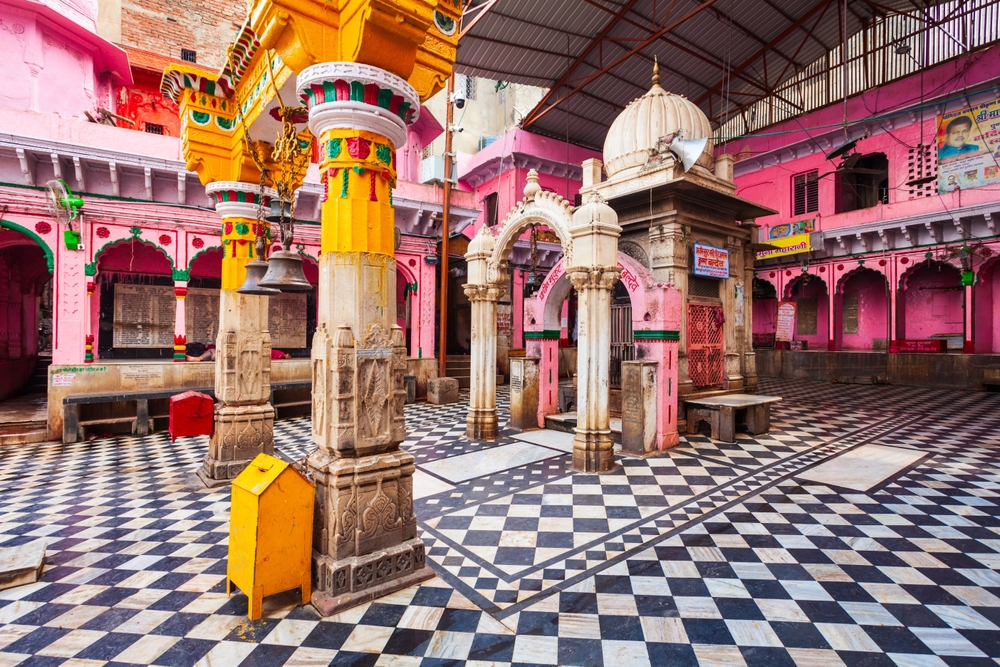
Continue to Dwarkadhish Temple, one of Mathura's best-known historic temples. The temple is especially active during festivals and devotional celebrations.
Its darshan periods can be divided into several sessions, so avoid arriving close to the end of a window. The surrounding old-city lanes are also worth exploring for their traditional shops and snack stalls.
03 Lunch and Local Food
Take a break for lunch before continuing your Mathura Vrindavan itinerary. Local specialities include:
- Mathura peda
- Kachori and sabzi
- Bedai with potato curry
- Lassi
- Vegetarian thalis
Choose a clean, busy restaurant and keep the meal moderate if you plan to walk through the old city.
04 Vishram Ghat
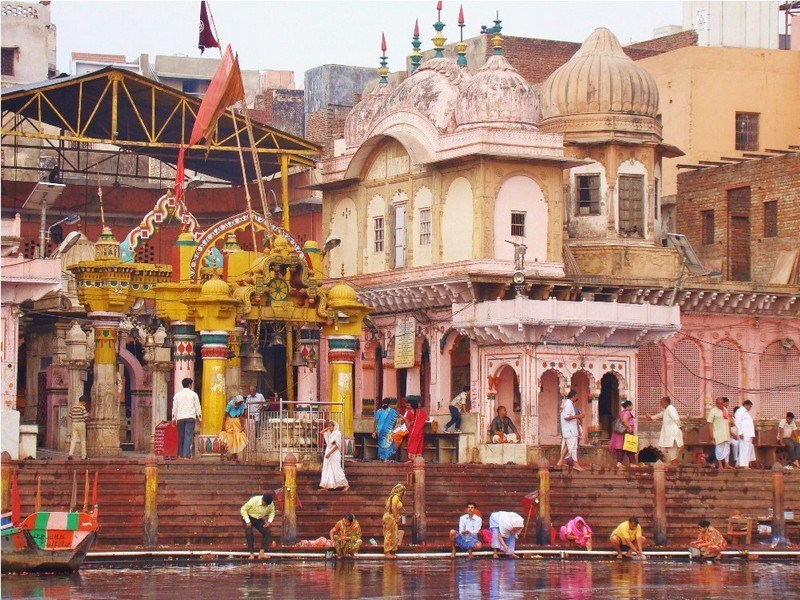
Vishram Ghat is a major bathing ghat on the Yamuna River and an important stop in Mathura. It is traditionally associated with Krishna resting after defeating Kansa.
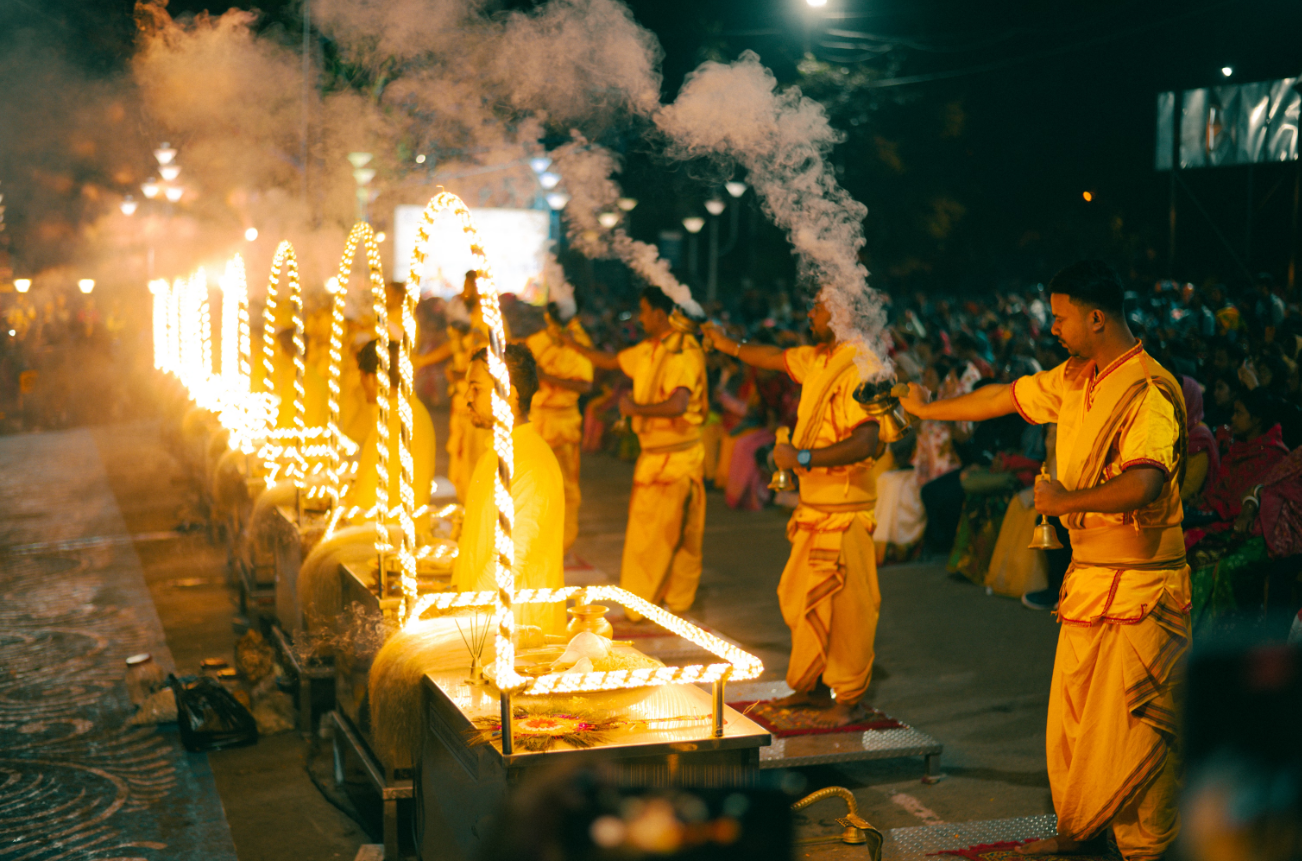
The evening aarti is a memorable part of the visit. Arrive early to find a comfortable viewing place and follow local guidance near the water. Aarti timings can vary, so check locally on the day.
05 Overnight in Mathura or Vrindavan
For a balanced Mathura Vrindavan itinerary, you can stay in Mathura for convenient access to the railway station or choose Vrindavan if you want to begin the next day close to its temples.
Compare accommodation based on walking distance, transport access and expected crowd levels. During major festivals, book well in advance.
Day 2: Discover Vrindavan
Devote the second day of your Mathura Vrindavan itinerary to Vrindavan's temples and devotional atmosphere. Start early because popular temples can become crowded, especially on weekends and festival days.
01 Banke Bihari Temple
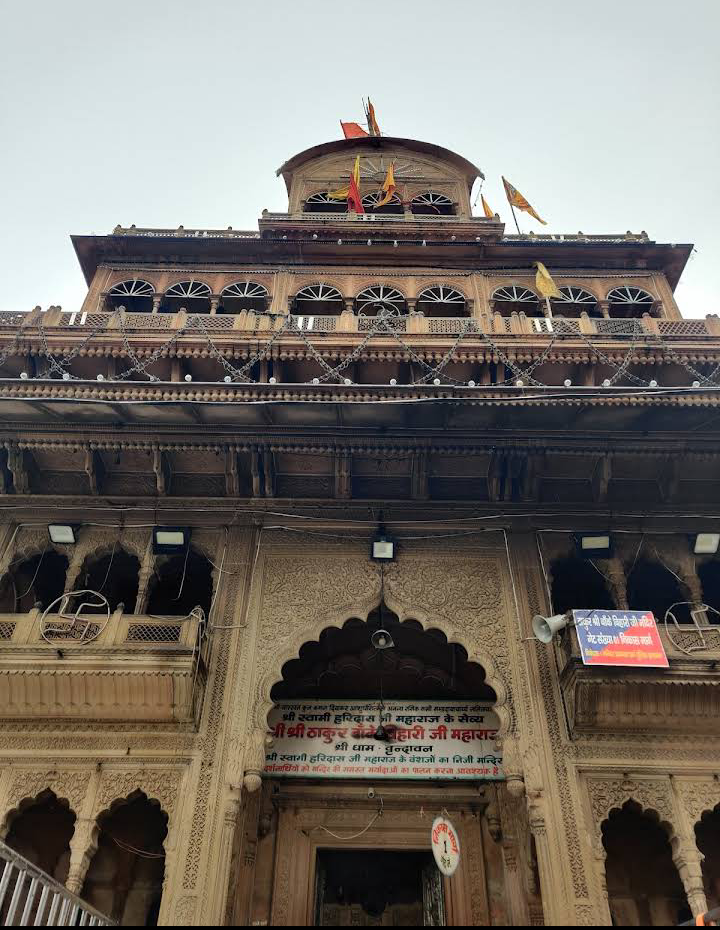
Banke Bihari Temple is one of Vrindavan's most visited shrines. Darshan is distinctive, with a curtain periodically drawn across the deity. The temple can become extremely crowded, so allow extra time and follow security and crowd-management instructions.
Photography and electronic-device rules may apply. Check current restrictions before entering. Seasonal darshan timings differ, and the temple may close for a long midday break.
02 Nidhivan
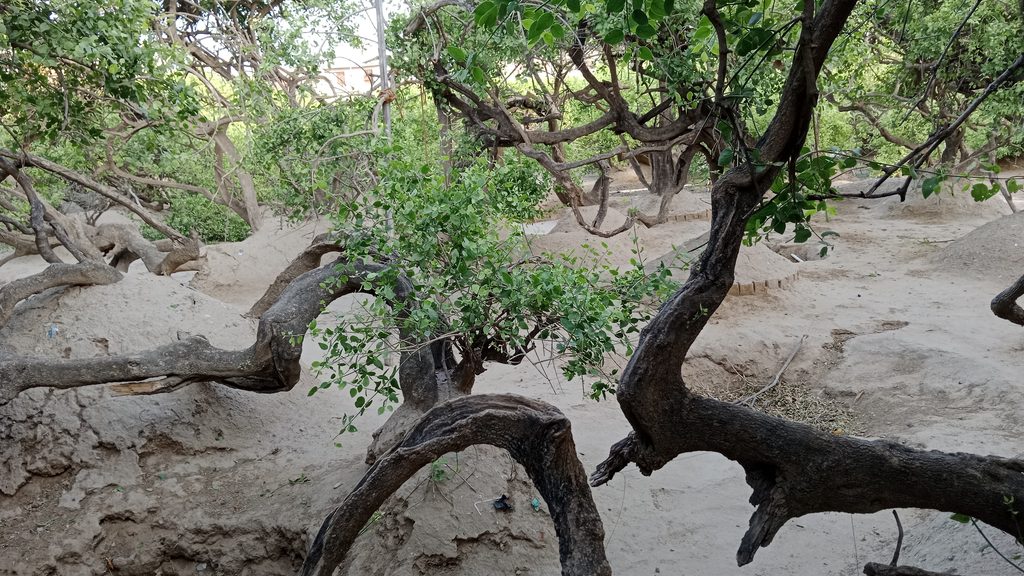
Nidhivan is a sacred garden associated with local devotional traditions and stories of Krishna's divine pastimes. It is a quiet contrast to the busy temple lanes.
Visit during permitted hours and respect the site's religious significance. Do not attempt to remain inside after closing or enter restricted areas.
03 ISKCON Krishna Balaram Mandir
ISKCON Vrindavan, also known as Krishna Balaram Mandir, is known for devotional singing, worship and an international community of visitors. If you enjoy kirtan, check the day's programme and plan your visit around a service.
The temple area also offers vegetarian food options, making it a convenient stop for lunch during your Mathura Vrindavan itinerary.
04 Radha Raman Temple
Radha Raman Temple is another important Vrindavan shrine, associated with the Gaudiya Vaishnava tradition. Its historic setting and devotional practices make it a worthwhile addition if time allows.
Temple schedules can change during festivals and special observances, so confirm the current darshan window before setting out.
05 Prem Mandir
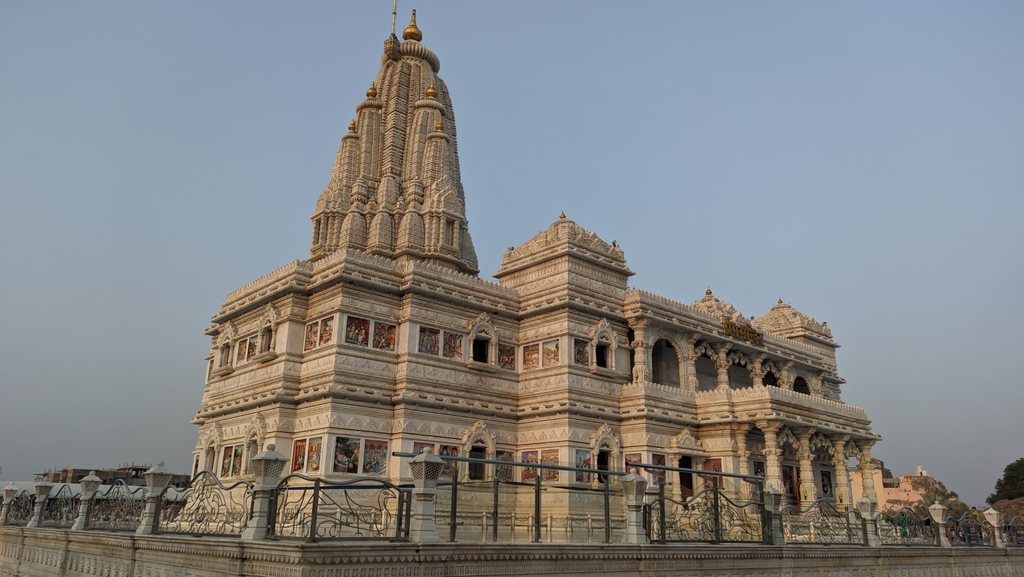
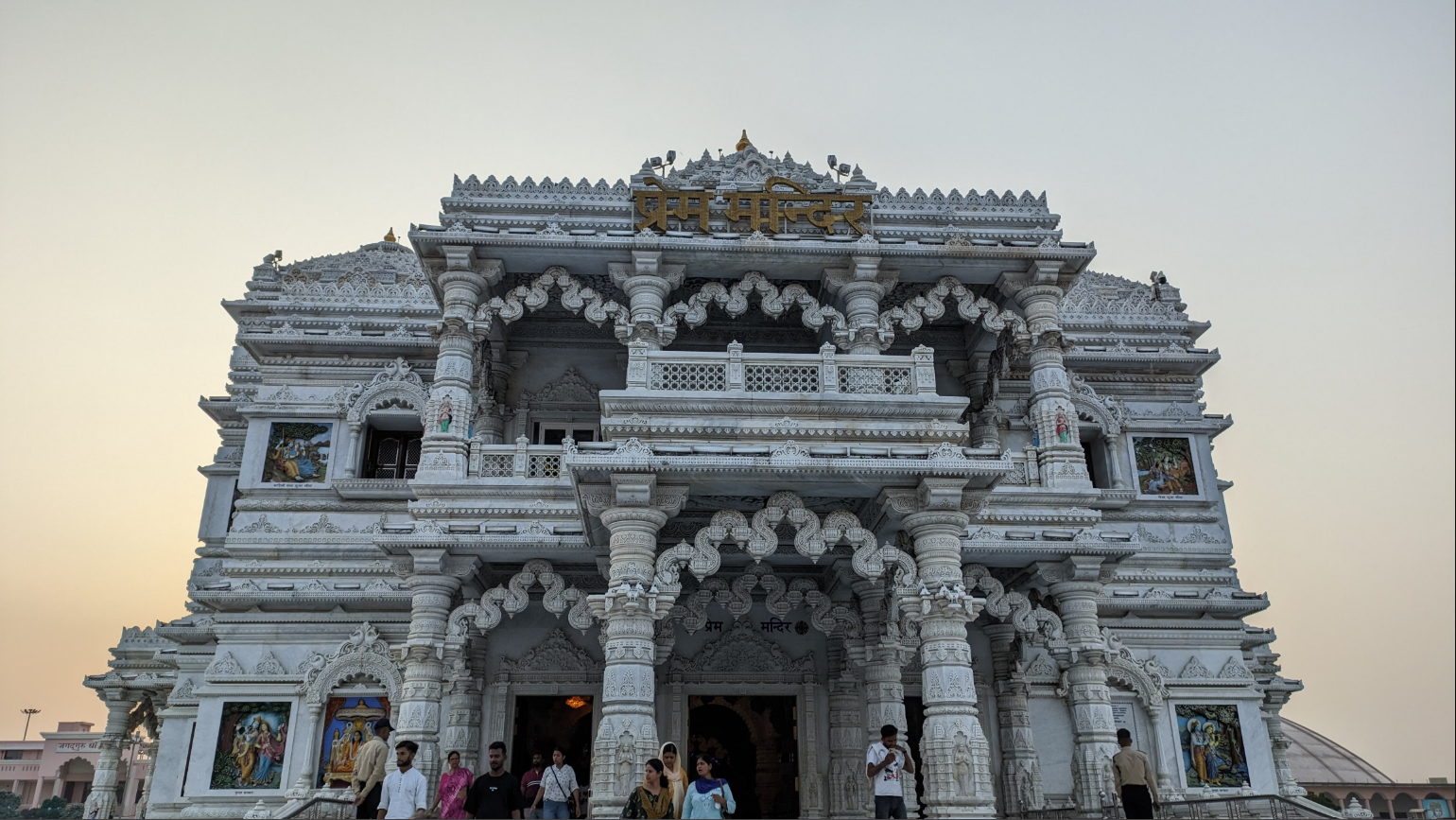
End the day at Prem Mandir, known for its white marble architecture and sculptural depictions of Krishna-related stories. The temple has morning and evening opening periods, and its illuminated exterior makes the evening visit especially popular.
The official Prem Mandir website lists daily morning darshan from 8:30 am to noon and evening darshan from 4:30 pm to 8:30 pm. Its fountain programme has seasonal timings, so check the official schedule before planning around it.
Optional Day 3: Add Govardhan, Gokul or Barsana
If you can extend your Mathura Vrindavan itinerary to three days, choose one nearby destination based on your interests.
Govardhan
Govardhan is associated with the sacred Govardhan Hill and the tradition of parikrama. The full circumambulation is a substantial walk, so plan according to your fitness, weather and available time. You can also visit selected temples and viewpoints without completing the entire route.
Gokul
Gokul is connected with traditions about Krishna's early childhood. It offers a quieter experience than the busiest areas of Mathura and Vrindavan, with temples and sites associated with Braj stories.
Barsana
Barsana is associated with Radha Rani and is especially known for Radha Rani Temple. The approach includes steps and can be physically demanding. During festivals, crowds and traffic can significantly increase travel time.
Adding one of these destinations makes a Mathura Vrindavan itinerary more comprehensive, but trying to cover all three in one extra day may feel rushed.
Estimated Cost for Mathura Vrindavan Itinerary
The cost of a Mathura Vrindavan itinerary depends on your departure city, accommodation, transport and whether you hire a private vehicle. The estimates below are approximate per person for a two-day visit, assuming two people share a room.
| Expense | Budget Estimate |
|---|---|
| Local transport and intercity transfers | ₹800-₹2,500 |
| One night accommodation | ₹800-₹2,500 |
| Food and drinks | ₹600-₹1,200 |
| Local e-rickshaws / autos | ₹300-₹800 |
| Miscellaneous expenses | ₹300-₹700 |
| Estimated total | ₹2,800-₹7,700 |
These figures exclude travel to Mathura from your home city, shopping, donations and premium accommodation. Private taxis, festival dates and last-minute bookings can raise the total. Temple entry is generally free, but offerings, cloakroom services and optional transport may involve charges.
How to Keep Costs Manageable
- Travel by train or bus where practical.
- Stay in a simple guesthouse or hotel near your main sightseeing area.
- Use e-rickshaws for short local journeys and agree on fares beforehand.
- Keep a small amount of cash for local purchases.
- Avoid booking a private car for every short temple transfer.
- Reserve accommodation early during Janmashtami, Holi and other major festivals.
Best Time to Visit Mathura and Vrindavan
The most comfortable period for this Mathura Vrindavan itinerary is generally October to March, when daytime sightseeing is easier than during peak summer.
October to March: Usually more comfortable for walking and temple visits, though winter mornings can be chilly.
March: Holi celebrations bring exceptional energy and very large crowds. Book transport and accommodation early and check local safety arrangements.
July to September: The monsoon can make walking and road travel less predictable.
April to June: Temperatures can be very high. Plan outdoor visits early or later in the day, carry water and take breaks.
Janmashtami and other major religious events can create substantial crowding. If your priority is relaxed darshan, consider weekdays outside major festival periods.
Practical Travel Tips
A smooth Mathura Vrindavan itinerary depends on respecting temple routines and allowing enough time between locations.
- Check darshan hours: Many temples have separate morning and evening windows.
- Start early: Popular shrines can become crowded quickly.
- Dress respectfully: Wear clothing appropriate for religious sites.
- Follow device rules: Some temples restrict phones, cameras or bags.
- Use local transport: Narrow lanes may not be suitable for larger vehicles.
- Stay hydrated: Especially during summer and long queues.
- Keep valuables secure: Crowded temple areas require extra care.
- Be patient: Festival dates and weekends can cause delays.
- Respect local customs: Follow instructions from temple staff and volunteers.
Final Thoughts
A well-paced Mathura Vrindavan itinerary allows you to experience the spiritual character of both towns without turning the visit into a rushed checklist. Spend the first day exploring Mathura's major shrines and Vishram Ghat, then dedicate the second day to Vrindavan's temples, devotional spaces and evening atmosphere.
If you have additional time, choose Govardhan, Gokul or Barsana according to your interests. Confirm temple schedules before travelling, allow for crowds and keep the plan flexible. With thoughtful timing and a realistic budget, a Mathura Vrindavan itinerary can be a meaningful pilgrimage as well as a rewarding cultural journey.