India is home to ancient temples, holy rivers and pilgrimage cities that have shaped Hindu spiritual traditions for centuries. Many travellers search for the 7 dham in india when planning a religious journey, but it is important to understand the terminology. Hindu tradition recognises the Sapta Puri, a group of seven sacred cities associated with spiritual liberation, while the famous all-India Char Dham consists of four destinations: Badrinath, Dwarka, Puri and Rameswaram. These are different pilgrimage groupings. This guide explores the seven sacred cities commonly associated with the Sapta Puri tradition, helping travellers understand their significance, major attractions and practical travel considerations.
This post contains affiliate links. If you choose to book through them, a small commission may be earned at no additional cost to you. Your support genuinely helps keep the blog running and allows continued creation of high-quality travel guides. Thank you for being here and supporting this journey.
1. Ayodhya, Uttar Pradesh - The Birthplace of Lord Rama
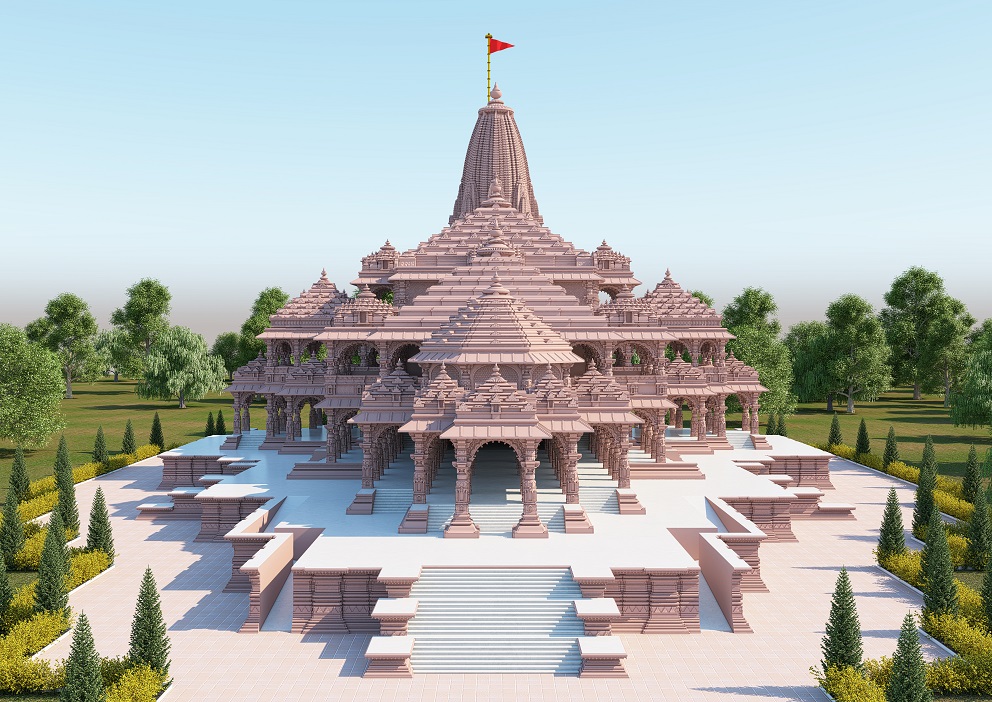
Ayodhya is one of the most revered destinations associated with the 7 dham in india search topic. Located on the banks of the Sarayu River, the city is traditionally regarded as the birthplace of Lord Rama and has a central place in the Ramayana.
Major attractions: Shri Ram Janmabhoomi Mandir, Hanuman Garhi, Kanak Bhawan and the Sarayu riverfront.
Spiritual significance: Devotees visit Ayodhya to offer prayers to Lord Rama and experience the city's religious traditions. Festivals such as Ram Navami attract large numbers of pilgrims.
Best time to visit: October to March is generally more comfortable for sightseeing, although festival periods can be very crowded.
Travel tip: Allow at least one full day for the main temples. Check current entry arrangements and local crowd-management guidance before travelling.
Ayodhya is an important stop for anyone researching the 7 dham in india, particularly those interested in the Ramayana, devotional traditions and historic temple towns.
2. Mathura, Uttar Pradesh - The Sacred City of Lord Krishna
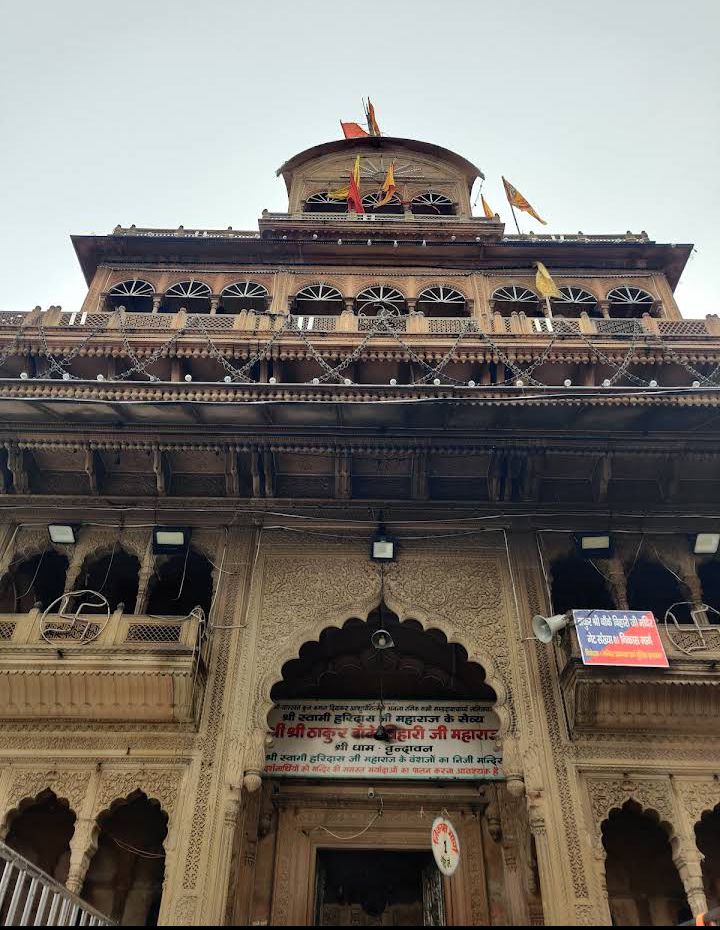
Mathura is traditionally recognised as the birthplace of Lord Krishna and is one of the seven cities in the Sapta Puri tradition. It is an essential destination to understand when researching the 7 dham in india.
Major attractions: Shri Krishna Janmabhoomi Temple, Dwarkadhish Temple and Vishram Ghat. Nearby Vrindavan adds further important Krishna pilgrimage sites, including Banke Bihari Temple and Prem Mandir.
Spiritual significance: Mathura and neighbouring Vrindavan are closely associated with Krishna's birth and childhood stories. Janmashtami and Holi are especially significant celebrations in the region.
Best time to visit: October to March generally offers more comfortable sightseeing conditions. Festival dates bring exceptional crowds.
Travel tip: Consider spending two days in Mathura and Vrindavan together. Confirm temple timings locally, especially during festivals.
Mathura offers a meaningful combination of devotion, architecture and cultural traditions for travellers exploring the 7 dham in india and other major Hindu pilgrimage destinations.
Also Read - Mathura Vrindavan Itinerary: Complete 2-Day Travel Guide
3. Haridwar, Uttarakhand - A Gateway to the Sacred Ganga
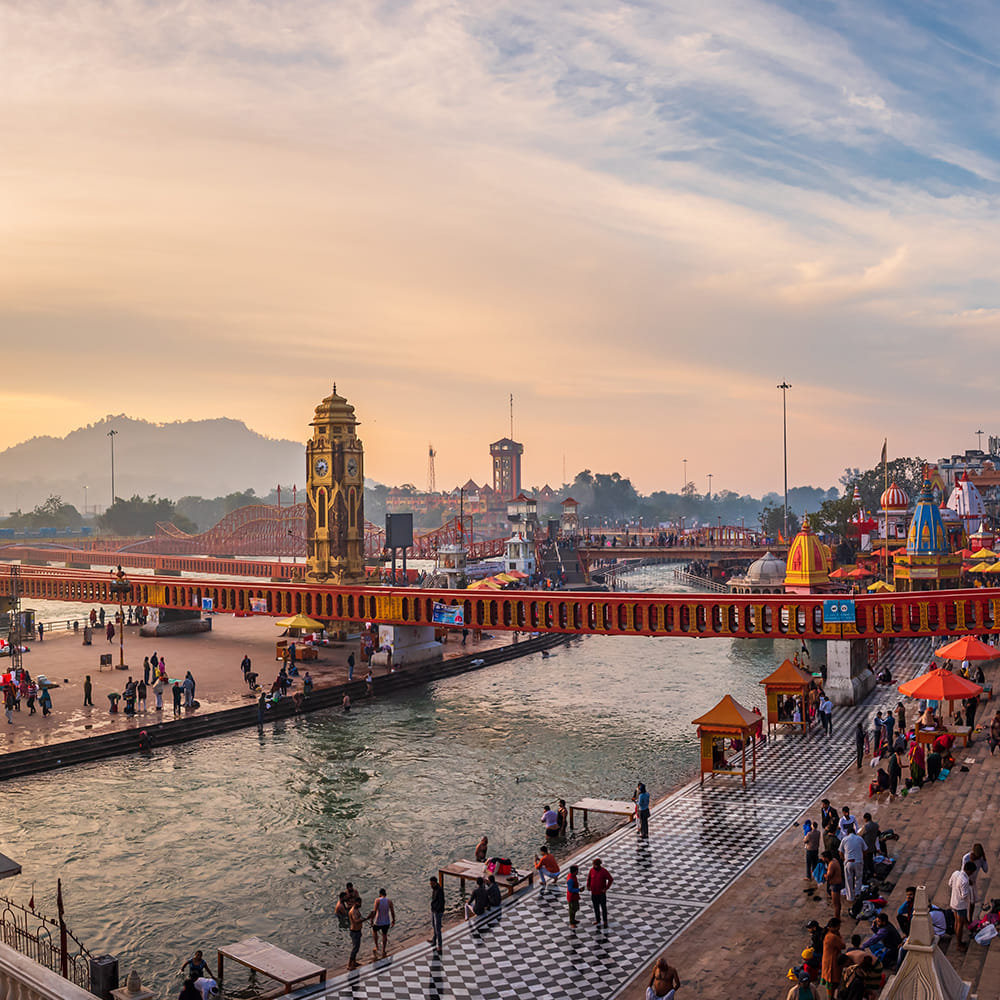
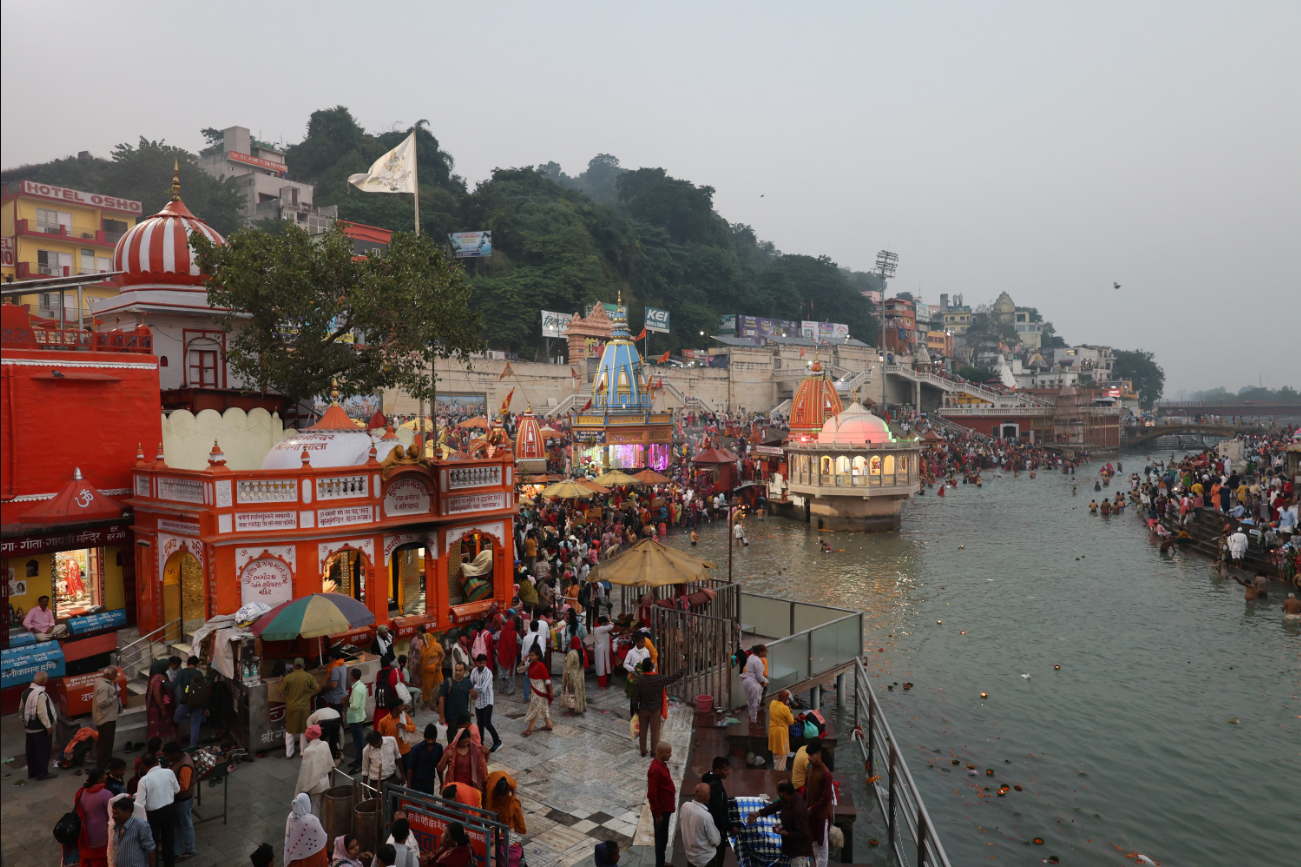
Haridwar is one of Hinduism's most important pilgrimage cities and another destination associated with the 7 dham in india search theme. Situated where the Ganga emerges from the Himalayan region onto the plains, it is known for riverfront worship and spiritual gatherings.
Major attractions: Har Ki Pauri, Mansa Devi Temple, Chandi Devi Temple and the Ganga riverfront.
Spiritual significance: Pilgrims visit Haridwar to pray, participate in rituals and attend the evening Ganga Aarti. The city is also an important gateway for journeys into the Uttarakhand Himalayas.
Best time to visit: October to March is often comfortable for sightseeing, while major festivals can bring large crowds.
Travel tip: Reach Har Ki Pauri early if you want a suitable viewing position for the evening ceremony. Follow local guidance near the river, particularly when currents are strong.
Haridwar's river traditions and religious atmosphere make it a major destination for people exploring the 7 dham in india and the wider landscape of sacred Hindu cities.
4. Varanasi, Uttar Pradesh - The City of Lord Shiva
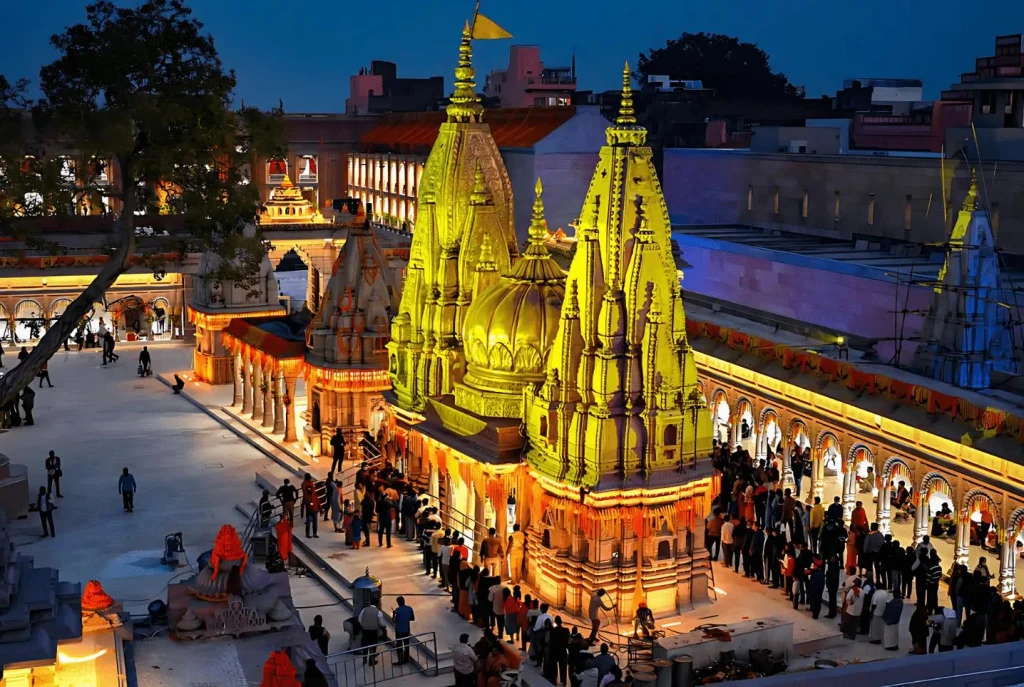
Varanasi, also known as Kashi or Banaras, is among the most significant spiritual destinations in India. It is included in the Sapta Puri tradition and is essential to understanding the sacred cities often discussed alongside the 7 dham in india.
Major attractions: Kashi Vishwanath Temple, Dashashwamedh Ghat, Assi Ghat and the Ganga riverfront.
Spiritual significance: Varanasi is especially associated with Lord Shiva and the traditional belief that the city offers a path towards spiritual liberation. Its temples, river rituals and ancient neighbourhoods remain central to Hindu pilgrimage.
Best time to visit: October to March generally offers more comfortable weather for walking around the old city.
Travel tip: The lanes around Kashi Vishwanath Temple can be crowded. Check official darshan arrangements and aarti timings before your visit.
A boat ride on the Ganga can provide a broader view of the ghats, but visitors should use authorised operators and follow safety instructions. Varanasi is a profound destination for travellers researching the 7 dham in india and India's living religious heritage.
5. Kanchipuram, Tamil Nadu - The City of Temples
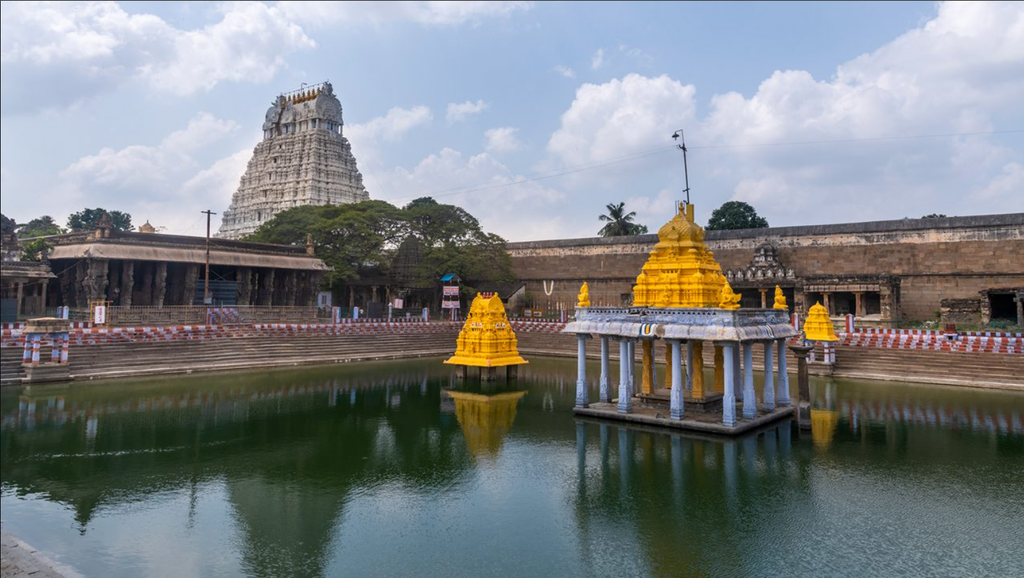
Kanchipuram is a historic temple city in Tamil Nadu and one of the traditional Sapta Puri. Known for its ancient architecture and religious scholarship, it offers a different experience from the northern pilgrimage centres associated with the 7 dham in india.
Major attractions: Kamakshi Amman Temple, Ekambareswarar Temple and Varadaraja Perumal Temple.
Spiritual significance: The city has important Shaiva and Vaishnava traditions, with temples dedicated to different forms of the divine. Its religious history is reflected in its temple architecture and longstanding rituals.
Best time to visit: November to February is generally more comfortable for exploring the city.
Travel tip: Kanchipuram is accessible by road from Chennai and can be explored as a day trip, although an overnight stay allows a more relaxed temple visit. Confirm opening hours and festival schedules before setting out.
Kanchipuram's rich temple culture makes it a valuable addition to any itinerary inspired by the 7 dham in india, especially for travellers interested in South Indian architecture and traditions.
6. Ujjain, Madhya Pradesh - The Sacred City of Mahakaleshwar
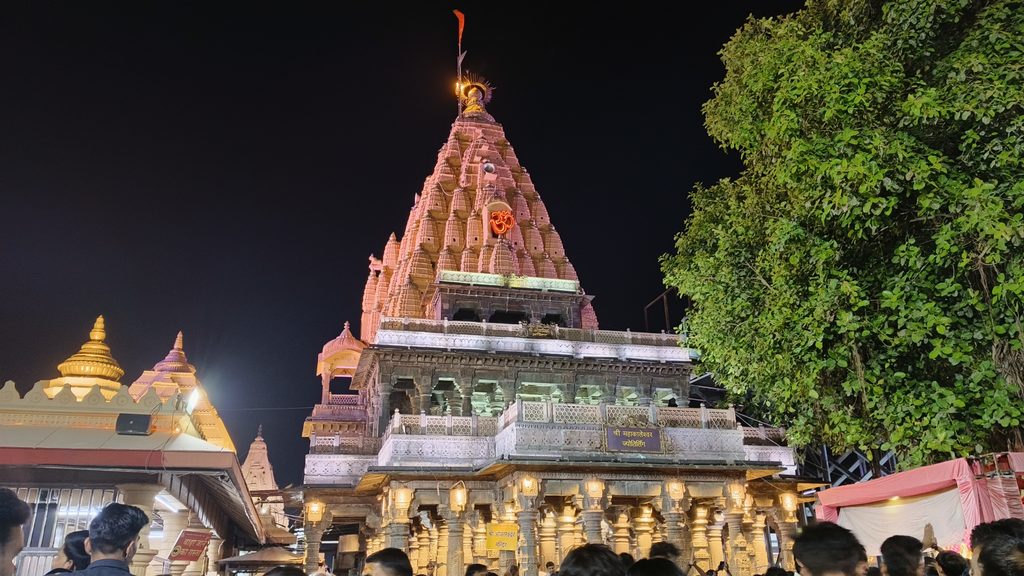
Ujjain is an ancient pilgrimage city on the banks of the Shipra River and one of the seven traditional Sapta Puri. Its religious importance makes it a prominent destination for those researching the 7 dham in india.
Major attractions: Mahakaleshwar Jyotirlinga Temple, Kal Bhairav Temple, Harsiddhi Temple and Ram Ghat.
Spiritual significance: Mahakaleshwar is one of the twelve Jyotirlingas of Lord Shiva. Ujjain is also associated with the Kumbh Mela tradition, known locally as Simhastha when held there.
Best time to visit: October to March generally provides more comfortable sightseeing conditions, though major religious events can significantly increase visitor numbers.
Travel tip: Mahakaleshwar has specific arrangements for darshan and special worship services. Check official booking information and allow extra time for security and queues.
Ujjain combines ancient religious traditions with active temple worship, making it one of the most important places to understand when exploring the 7 dham in india keyword and the Sapta Puri tradition.
7. Dwarka, Gujarat
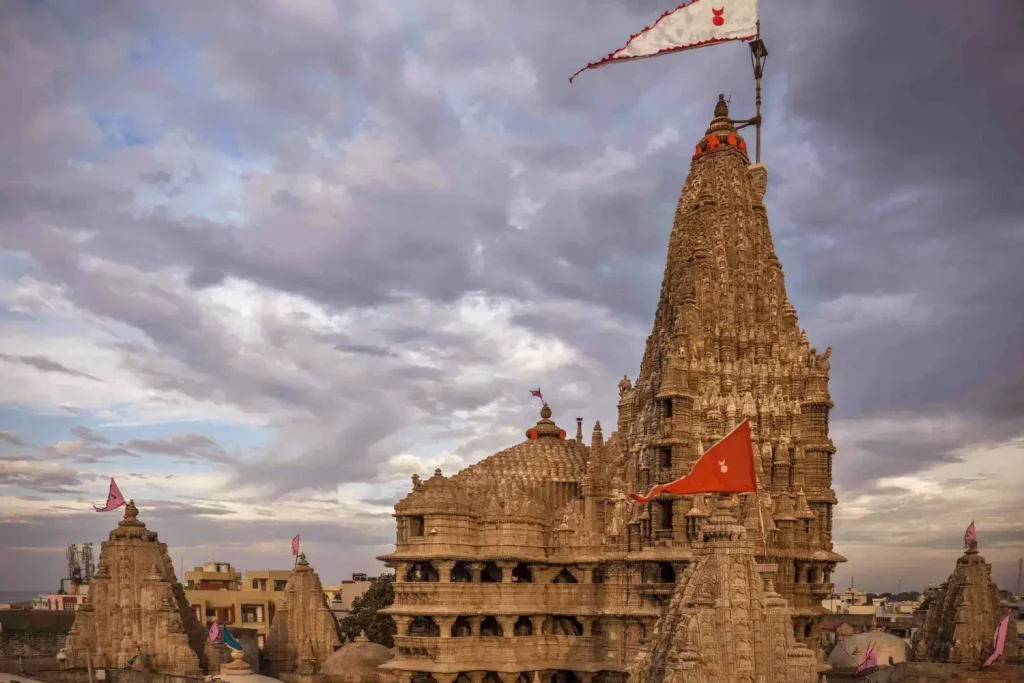
Dwarka is an important Hindu pilgrimage destination on Gujarat's western coast. It is both one of the seven traditional Sapta Puri and one of the four destinations in the all-India Char Dham circuit, giving it a distinctive place in discussions about the 7 dham in india.
Major attractions: Dwarkadhish Temple, Gomti Ghat, Rukmini Devi Temple and the coastal pilgrimage landscape.
Spiritual significance: Dwarka is closely associated with Lord Krishna and traditions describing it as his kingdom. The main temple is an important centre of Vaishnava worship.
Best time to visit: October to March is generally suitable for sightseeing, although festival dates can be busy.
Travel tip: Allow one or two days for Dwarka and nearby attractions. If planning a visit to Bet Dwarka, check current transport arrangements and access information.
Dwarka's religious importance extends beyond a single pilgrimage tradition. Its inclusion in the Sapta Puri and Char Dham groupings makes it especially relevant to readers searching for the 7 dham in india.
Are the 7 Dham in India the Same as Char Dham?
The phrase 7 dham in india can be confusing because there is no single universally accepted list of seven destinations officially known as the Seven Dham.
The distinction is important:
- Sapta Puri: Seven sacred cities traditionally listed as Ayodhya, Mathura, Haridwar, Varanasi, Kanchipuram, Ujjain and Dwarka.
- All-India Char Dham: Badrinath in Uttarakhand, Dwarka in Gujarat, Jagannath Puri in Odisha and Rameswaram in Tamil Nadu.
- Uttarakhand Char Dham: Yamunotri, Gangotri, Kedarnath and Badrinath, all located in the Himalayan state of Uttarakhand.
The Uttarakhand circuit is a separate four-shrine pilgrimage and should not be confused with the all-India Char Dham.
Best Time to Plan a Pilgrimage
The ideal season depends on the destinations you choose. Many cities in the plains, including Ayodhya, Mathura, Varanasi and Ujjain, are generally more comfortable to explore during the cooler months from October to March. Kanchipuram and Dwarka are also popular during this period.
Festival dates can be spiritually rewarding but often involve heavy crowds, traffic restrictions and longer queues. If you are planning a journey inspired by the 7 dham in india, check official temple notices, transport options and accommodation availability before departure.
Practical Tips for Pilgrims
- Plan by region: Combine nearby destinations where possible rather than travelling across India repeatedly.
- Check temple schedules: Darshan hours and special rituals may change during festivals.
- Dress respectfully: Follow the customs and dress requirements of each temple.
- Prepare for crowds: Arrive early and allow extra time for security and queues.
- Use authorised services: Book official darshan tickets, guides and transport where required.
- Respect local customs: Follow photography restrictions and behave sensitively at sacred riverfronts.
Final Thoughts
The 7 dham in india keyword often leads travellers to the seven sacred cities of the Sapta Puri tradition: Ayodhya, Mathura, Haridwar, Varanasi, Kanchipuram, Ujjain and Dwarka. Each city offers a distinctive connection to Hindu mythology, temple worship and India's cultural heritage.
It is equally important to distinguish this seven-city grouping from the all-India Char Dham and Uttarakhand's Himalayan Char Dham Yatra. Understanding the difference helps you plan a more accurate pilgrimage, choose the right destinations and appreciate the traditions behind each sacred place. Whether you are interested in Lord Rama, Lord Krishna, Lord Shiva or ancient temple architecture, these pilgrimage cities offer meaningful opportunities for reflection and cultural discovery.