

Varanasi, also known as Kashi or Banaras, is one of the oldest continuously inhabited cities in the world and the spiritual heart of India. Situated on the western banks of the sacred River Ganges in Uttar Pradesh, the city has been a centre of faith, learning, music, and culture for more than 3,000 years. Millions of pilgrims and tourists visit every year to witness its timeless rituals, explore centuries-old temples, and experience the unique atmosphere that has inspired saints, scholars, and travellers alike.
Whether you’re a spiritual seeker, history enthusiast, photographer, or cultural explorer, the places to visit in Varanasi promise unforgettable experiences. From sunrise boat rides along the ghats to mesmerizing evening Ganga Aarti ceremonies, every corner of the city tells a story deeply rooted in India’s heritage.
Also Read – Places for Trip in South India: 10 Beautiful Destinations to Explore
This post contains affiliate links. If you choose to book through them, a small commission may be earned at no additional cost to you. Your support genuinely helps keep the blog running and allows continued creation of high-quality travel guides. Thank you for being here and supporting this journey.
Quick Travel Snapshot
| Information | Details |
|---|---|
| State | Uttar Pradesh |
| Famous For | Ghats, temples, Ganga Aarti, spirituality |
| Best Time to Visit | October to March |
| Ideal Trip Duration | 3–4 Days |
| Nearest Airport | Lal Bahadur Shastri International Airport |
| UNESCO Nearby Site | Sarnath |
Why Visit Varanasi?
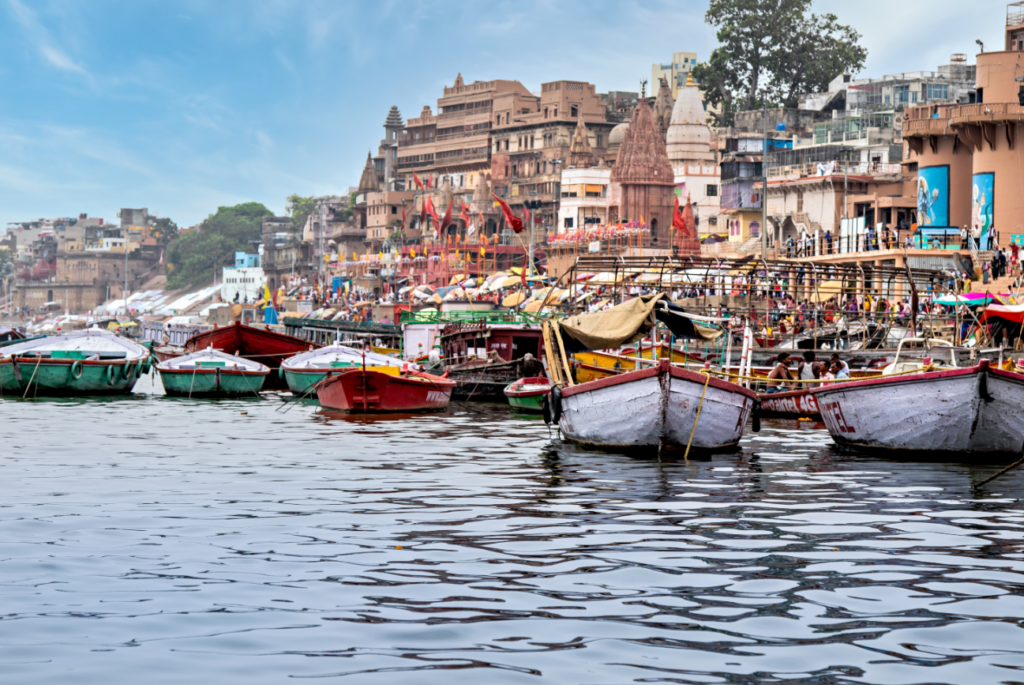
Few cities in the world blend history, religion, and everyday life as seamlessly as Varanasi. Hindus believe that dying in Kashi grants moksha (liberation from the cycle of rebirth), making it one of the holiest pilgrimage destinations in Hinduism. The city is equally significant for Buddhists because nearby Sarnath is where Lord Buddha delivered his first sermon after attaining enlightenment.
Beyond its religious significance, Varanasi is celebrated for:
- Classical Indian music
- Banarasi silk weaving
- Ancient Sanskrit education
- Traditional street food
- Riverfront architecture
- Spiritual festivals
Exploring the places to visit in Varanasi offers an enriching journey through India’s cultural and spiritual legacy.
Best Time to Visit Varanasi
The ideal time to explore the places to visit in Varanasi is between October and March, when temperatures range between 10°C and 28°C. Pleasant weather makes sightseeing, temple visits, and boat rides much more enjoyable. Winter also coincides with major festivals such as Dev Deepawali and Maha Shivaratri, when the city is beautifully illuminated and vibrant with celebrations. Summers (April–June) are extremely hot, while the monsoon season (July–September) brings heavy rainfall and higher water levels in the Ganges.
1. Kashi Vishwanath Temple
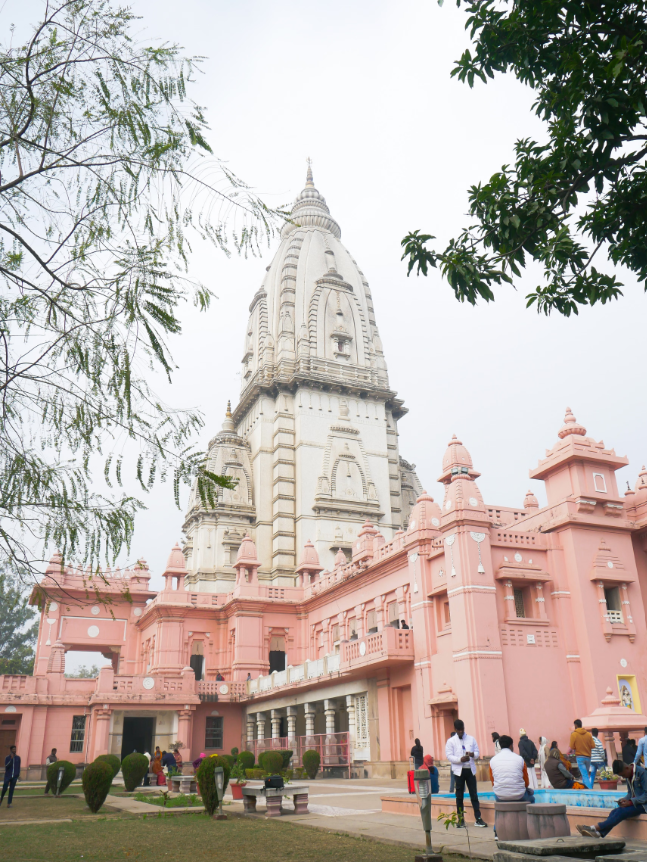
Among all the places to visit in Varanasi, the Kashi Vishwanath Temple stands as the city’s most revered landmark. Dedicated to Lord Shiva, it is one of the twelve sacred Jyotirlingas and attracts millions of devotees annually. The present temple, rebuilt by Queen Ahilyabai Holkar in the 18th century, remains the spiritual heart of Kashi. Recent development of the Kashi Vishwanath Dham Corridor has significantly improved visitor access by connecting the temple directly to the Ganges through spacious walkways and modern facilities.
Visitors should arrive early in the morning to avoid long queues, particularly during festivals. Security is strict, and mobile phones, cameras, and large bags are not permitted inside the temple complex.
Highlights
- One of the twelve Jyotirlingas
- Kashi Vishwanath Dham Corridor
- Daily Mangala Aarti
- Sacred Shiva Lingam
- Nearby Annapurna Temple
2. Dashashwamedh Ghat
No list of places to visit in Varanasi is complete without Dashashwamedh Ghat. This bustling riverfront is believed to have been created by Lord Brahma and remains the city’s most famous ghat.
Every evening, priests perform the spectacular Ganga Aarti, featuring synchronized rituals with brass lamps, incense, conch shells, Vedic chants, and devotional music. Thousands gather daily along the steps and on boats to witness this breathtaking ceremony, making it one of India’s most iconic spiritual experiences.
The best views are from a boat anchored on the Ganges or from the elevated seating areas near the ghat.
Don’t Miss
- Evening Ganga Aarti
- Sunrise boat ride
- Traditional flower offerings
- Street food and local markets
3. Assi Ghat
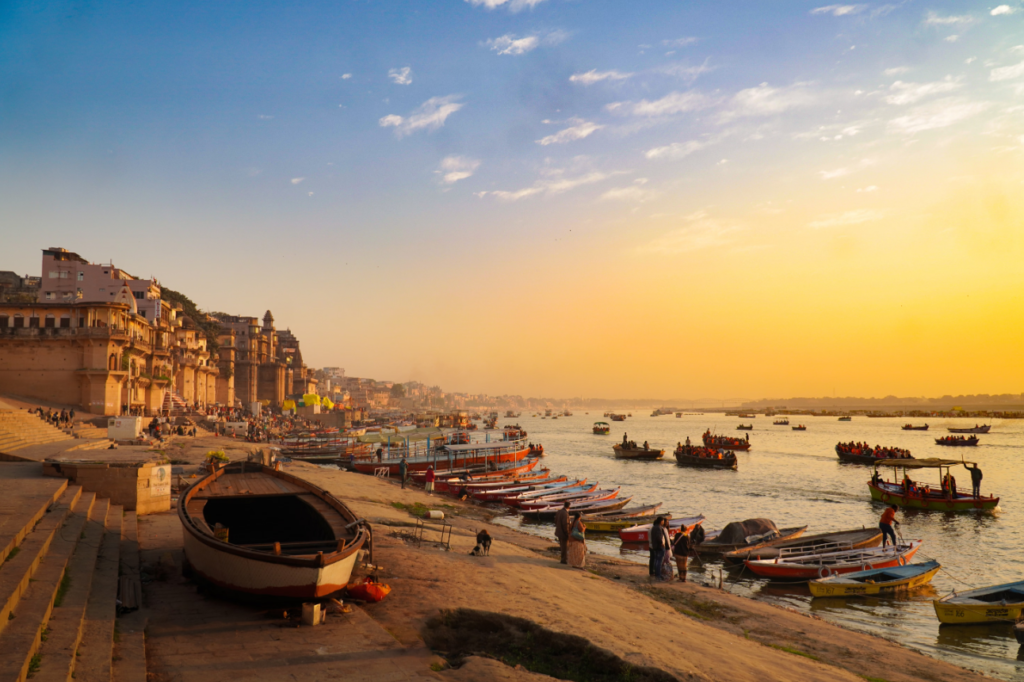
Located at the southern end of the city’s riverfront, Assi Ghat is one of the most peaceful places to visit in Varanasi. It serves as a favourite gathering place for students, yoga enthusiasts, photographers, and travellers seeking a quieter atmosphere.
Each morning, the famous Subah-e-Banaras programme combines yoga sessions, devotional music, Vedic chanting, and cultural performances against the backdrop of the rising sun. The atmosphere is calm, refreshing, and distinctly different from the busier central ghats.
Nearby cafés, bookstores, and cultural centres make Assi Ghat an excellent place to spend a relaxed morning.
Popular Activities
- Sunrise yoga
- Morning boat rides
- Photography
- Local cafés
- Cultural performances
4. Manikarnika Ghat
Among the most spiritually significant places to visit in Varanasi, Manikarnika Ghat is the city’s primary cremation ground. According to Hindu belief, cremation here grants liberation from the cycle of birth and rebirth.
While the continuous funeral ceremonies may seem overwhelming to first-time visitors, the ghat represents an important aspect of Varanasi’s philosophy of life, death, and spiritual liberation. Visitors are encouraged to observe respectfully from a distance and avoid photography, which is considered inappropriate.
A guided heritage walk can help visitors better understand the historical and religious importance of this sacred site.
5. Sarnath – The Birthplace of Buddhist Teachings
Among the most historically significant places to visit in Varanasi, Sarnath is a peaceful town located about 10 km northeast of the city. It is here that Lord Buddha delivered his first sermon, known as the Dhammacakkappavattana Sutta, after attaining enlightenment in Bodh Gaya, marking the beginning of the Buddhist Sangha. Today, Sarnath is one of the four holiest Buddhist pilgrimage sites and attracts monks, pilgrims, and travelers from around the world.
The main attraction is the Dhamek Stupa, a massive cylindrical stone monument standing over 43 meters high. Nearby are the ruins of ancient monasteries, the Ashokan Pillar site, Deer Park, the Mulagandha Kuti Vihara, and the Archaeological Museum, which houses the original Lion Capital of Ashoka—India’s National Emblem. The government is also actively enhancing Sarnath’s infrastructure to strengthen its position as a global Buddhist tourism destination.
Highlights
- Dhamek Stupa
- Ashokan Pillar ruins
- Deer Park
- Archaeological Museum
- Mulagandha Kuti Vihara
6. Banaras Hindu University (BHU)
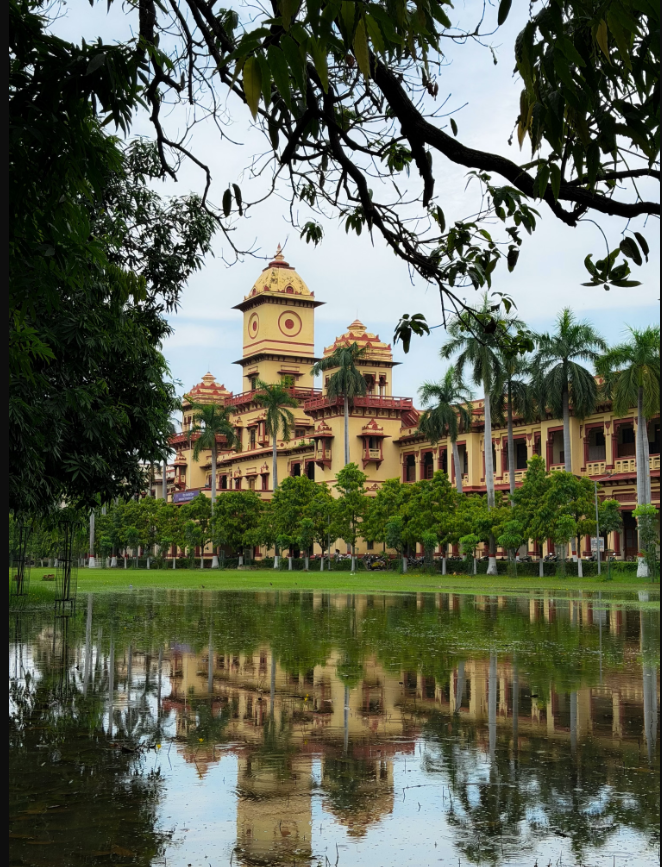
Founded in 1916 by Pandit Madan Mohan Malaviya, Banaras Hindu University is one of Asia’s largest residential universities and among the most educationally significant places to visit in Varanasi. Spread across nearly 1,300 acres, its tree-lined roads, heritage buildings, and peaceful environment offer a welcome contrast to the bustling old city.
Within the campus stands the magnificent Shri Vishwanath Temple (New Vishwanath Temple), inspired by the original Kashi Vishwanath Temple. Built entirely from white marble, the temple welcomes visitors of all faiths and features beautifully engraved verses from the Bhagavad Gita.
The campus also houses Bharat Kala Bhavan, making BHU an ideal destination for visitors interested in education, architecture, and Indian culture.
Why Visit
- Peaceful university campus
- New Vishwanath Temple
- Bharat Kala Bhavan Museum
- Beautiful gardens and avenues
7. Ramnagar Fort
Located on the eastern bank of the Ganges, opposite Tulsi Ghat, Ramnagar Fort is one of the most fascinating places to visit in Varanasi for history enthusiasts. Built in 1750 by Maharaja Balwant Singh using cream-colored Chunar sandstone, the fort still serves as the residence of the royal family of Varanasi.
Although parts of the fort show signs of age, its museum remains a highlight, displaying royal palanquins, vintage automobiles, ivory artifacts, medieval weaponry, ornate costumes, and antique clocks. During the annual Ramnagar Ramlila, one of India’s oldest and most elaborate theatrical performances of the Ramayana, the fort becomes the centre of grand cultural celebrations.
Visitor Highlights
- Royal museum
- Vintage car collection
- Antique weapon gallery
- Scenic Ganges views
- Ramnagar Ramlila festival
8. Tulsi Manas Temple
Constructed in 1964, the Tulsi Manas Temple is one of the most serene places to visit in Varanasi. It marks the location where the revered poet-saint Goswami Tulsidas is believed to have composed the Ramcharitmanas, the famous retelling of the Ramayana in Awadhi.
Built entirely from white marble, the temple walls are beautifully engraved with verses from the Ramcharitmanas. Inside, visitors can admire artistic displays depicting scenes from the lives of Lord Rama, Sita, Lakshmana, and Hanuman.
Its tranquil atmosphere makes it a peaceful stop for devotees and literature lovers alike.
9. Sankat Mochan Hanuman Temple
Dedicated to Lord Hanuman, the Sankat Mochan Temple is among the most visited places to visit in Varanasi. According to tradition, it was established by Goswami Tulsidas after he experienced a divine vision of Hanuman at this site.
Devotees believe that offering prayers here helps remove obstacles (sankat) and brings strength and protection. Tuesdays and Saturdays witness particularly large crowds.
The temple is also famous for its annual Sankat Mochan Sangeet Samaroh, a prestigious classical music and dance festival featuring renowned artists from across India.
Visitor Tips
- Visit early morning for a peaceful darshan.
- Avoid carrying food, as monkeys are common around the temple.
- Dress modestly and remove footwear before entering.
10. Bharat Kala Bhavan Museum
Situated inside the BHU campus, Bharat Kala Bhavan is one of India’s finest university museums and deserves a place on every itinerary of places to visit in Varanasi. Established in 1920, it houses an extraordinary collection of over 100,000 artifacts representing India’s artistic and cultural heritage.
Its galleries feature:
- Mughal miniature paintings
- Buddhist sculptures
- Ancient manuscripts
- Banarasi textiles
- Coins and archaeological finds
- Decorative arts
The museum offers valuable insight into the region’s history and complements visits to nearby Sarnath and BHU.
Experience Banarasi Cuisine
Exploring the places to visit in Varanasi is incomplete without sampling the city’s legendary cuisine.
Must-Try Dishes
- Kachori Sabzi
- Tamatar Chaat
- Baati Chokha
- Malaiyyo (winter specialty)
- Banarasi Lassi
- Rabri Jalebi
- Banarasi Paan
Popular food streets around Godowlia, Kachori Gali, and Lanka are excellent places to experience authentic local flavours.
Shopping in Varanasi
Varanasi is world-famous for its handcrafted silk sarees and traditional artistry.
Top shopping areas include:
- Godowlia Market
- Vishwanath Gali
- Thatheri Bazaar
- Chowk Market
Popular souvenirs:
- Banarasi silk sarees
- Wooden toys
- Brass idols
- Rudraksha beads
- Handmade carpets
- Gulabi Meenakari jewellery
Suggested 3-Day Itinerary
Day 1
- Kashi Vishwanath Temple
- Annapurna Temple
- Dashashwamedh Ghat
- Evening Ganga Aarti
- Overnight riverside stay
Day 2
- Sunrise boat ride
- Assi Ghat
- Tulsi Manas Temple
- Sankat Mochan Temple
- Banaras Hindu University
- Bharat Kala Bhavan
- Local street food tour
Day 3
- Sarnath
- Archaeological Museum
- Ramnagar Fort
- Shopping for Banarasi silk
- Sunset cruise on the Ganges
Estimated Travel Costs
One of the advantages of exploring the places to visit in Varanasi is that the city caters to every budget. Whether you’re a backpacker, a family, or a luxury traveller, there are accommodation and dining options to suit your needs.
| Expense | Estimated Cost (INR) |
|---|---|
| Budget Hotel | ₹800–₹1,800 per night |
| Mid-range Hotel | ₹2,500–₹5,500 per night |
| Luxury Hotel | ₹7,000–₹20,000+ per night |
| Boat Ride (Shared) | ₹100–₹300 |
| Private Sunrise Boat Ride | ₹800–₹2,500 |
| Auto-rickshaw Ride | ₹50–₹250 |
| Local Meal | ₹100–₹300 |
| Fine Dining | ₹800–₹2,000 |
| Sarnath Taxi (Round Trip) | ₹800–₹1,500 |
Getting Around Varanasi
Reaching the major places to visit in Varanasi is relatively easy thanks to the city’s expanding transport infrastructure.
By Air
Lal Bahadur Shastri International Airport (VNS) is approximately 22 km from the city centre and offers regular domestic flights along with selected international connections.
By Train
Varanasi Junction (Cantt), Banaras Station, and Pandit Deen Dayal Upadhyaya Junction provide excellent rail connectivity with Delhi, Mumbai, Kolkata, Lucknow, Jaipur, and other major Indian cities.
Local Transport
Visitors can travel around using:
- Auto-rickshaws
- E-rickshaws
- Cycle-rickshaws
- App-based taxis
- Walking tours
- Boat rides on the Ganges
For exploring the old city around Kashi Vishwanath Temple and the ghats, walking remains the best option because many lanes are too narrow for vehicles.
Looking ahead, Varanasi’s urban ropeway—India’s first public transport ropeway—is expected to improve connectivity between Cantt and Godowlia, reducing travel time and easing congestion. Government updates indicate completion during 2026, with testing already underway.
Safety Tips
While the places to visit in Varanasi are generally safe, a few practical precautions will make your visit smoother.
- Wear comfortable footwear for uneven stone steps.
- Dress modestly when visiting temples.
- Carry bottled drinking water during summer.
- Avoid photography at Manikarnika and Harishchandra Ghats.
- Beware of monkeys around Sankat Mochan Temple.
- Negotiate auto-rickshaw fares before starting your journey.
- Keep valuables secure in crowded markets.
- Visit the ghats early morning or evening for the most pleasant weather.
Frequently Asked Questions (FAQs)
How many days are enough to explore Varanasi?
A 3 to 4-day itinerary is ideal to cover the major places to visit in Varanasi, enjoy sunrise and sunset boat rides, visit Sarnath, experience local cuisine, and explore nearby attractions at a relaxed pace.
What is Varanasi most famous for?
Varanasi is famous for:
- Kashi Vishwanath Temple
- River Ganges
- Ganga Aarti
- Ancient ghats
- Banarasi silk sarees
- Spiritual significance
- Classical music
- Sarnath Buddhist heritage
Is a boat ride worth taking?
Absolutely. A sunrise or sunset boat ride offers spectacular views of the ghats and provides one of the most memorable ways to experience the places to visit in Varanasi. Many visitors consider it the highlight of their trip.
What food should I try?
Don’t miss:
- Kachori Sabzi
- Tamatar Chaat
- Malaiyyo (winter)
- Banarasi Lassi
- Rabri Jalebi
- Banarasi Paan
- Baati Chokha
Is Varanasi suitable for family travel?
Yes. Families can comfortably visit temples, museums, BHU, Sarnath, Ramnagar Fort, and enjoy cultural performances and boat rides. Elderly visitors may prefer using e-rickshaws for travelling between attractions.
What is the best season to visit?
October to March offers the most pleasant weather. Festivals such as Dev Deepawali, Maha Shivaratri, and Ganga Mahotsav make this period especially vibrant and culturally rich.
Conclusion
The places to visit in Varanasi offer far more than a sightseeing experience—they provide a journey into India’s living spiritual and cultural heritage. From the sacred Kashi Vishwanath Temple and the mesmerizing Ganga Aarti at Dashashwamedh Ghat to the peaceful atmosphere of Sarnath and the regal history of Ramnagar Fort, every attraction reveals a different chapter of this ancient city’s story. Combined with vibrant markets, legendary Banarasi cuisine, silk craftsmanship, and timeless traditions, Varanasi leaves a lasting impression on every traveler.
Whether you’re seeking spiritual reflection, historical exploration, or cultural immersion, the places to visit in Varanasi promise memories that remain with you long after your journey ends. With improved infrastructure, including the upcoming urban ropeway project, visiting this timeless city is becoming even more convenient for travelers from around the world.

