

Delhi is a city where every era has left its mark. From the grandeur of the Mughal Empire and the architectural brilliance of the Delhi Sultanate to colonial landmarks and ancient fortifications, India’s capital is home to some of the country’s most remarkable heritage sites. Exploring the historical places in Delhi is like travelling through nearly a thousand years of history, where magnificent forts, towering minarets, royal tombs, and bustling old streets tell stories of emperors, warriors, and dynasties.
The city boasts three UNESCO World Heritage Sites—the Red Fort, Qutub Minar, and Humayun’s Tomb—along with dozens of other monuments that showcase Indo-Islamic, Mughal, and colonial architecture. Many of these landmarks are easily connected by the Delhi Metro, making it simple to explore multiple attractions in a single day.
Also Read – Best Places to Visit in Amritsar: A Complete Travel Guide to Punjab’s Spiritual Heart
This post contains affiliate links. If you choose to book through them, a small commission may be earned at no additional cost to you. Your support genuinely helps keep the blog running and allows continued creation of high-quality travel guides. Thank you for being here and supporting this journey.
Quick Travel Guide
| Information | Details |
|---|---|
| Best Time to Visit | October to March |
| Ideal Trip Duration | 2–3 Days |
| UNESCO Sites | Red Fort, Qutub Minar, Humayun’s Tomb |
| Best Transport | Delhi Metro + Auto-rickshaw |
| Nearest Airport | Indira Gandhi International Airport |
Best Time to Visit Historical Places in Delhi
The ideal season to explore the historical places in Delhi is from October to March, when temperatures are pleasant for sightseeing. Winter mornings can be foggy, but afternoons are generally comfortable for walking around large heritage complexes.
If you’re visiting during summer (April–June), plan outdoor sightseeing early in the morning to avoid the intense afternoon heat. Many monuments offer shaded gardens where visitors can take short breaks between exploring different sections.
1. Red Fort (Lal Qila)
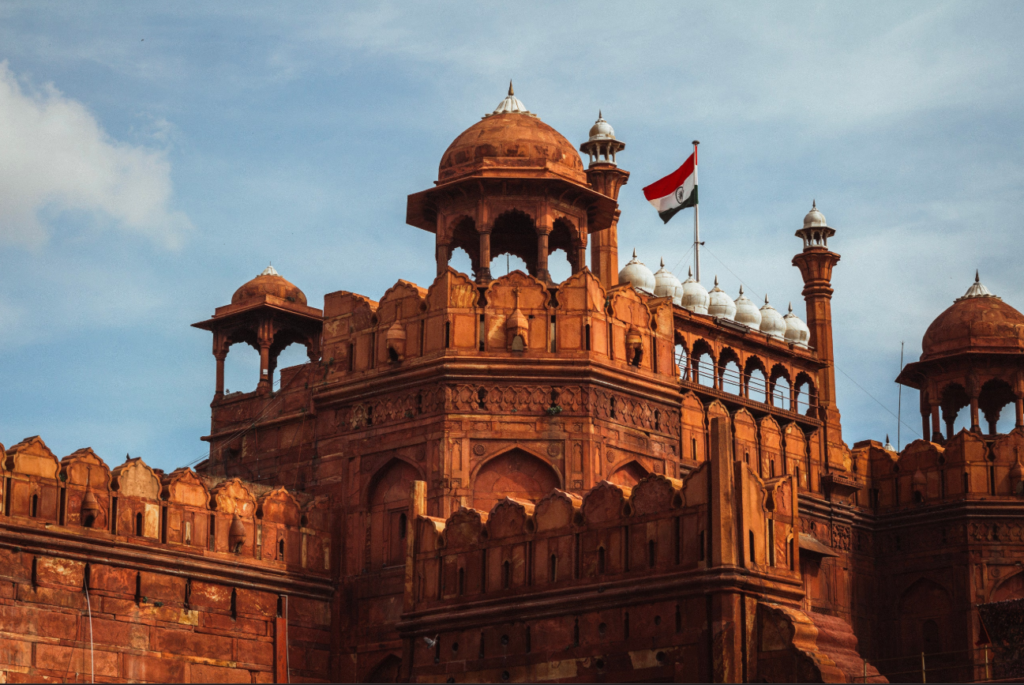
No visit to the historical places in Delhi is complete without exploring the magnificent Red Fort, one of India’s most iconic landmarks and a UNESCO World Heritage Site.
Commissioned by Emperor Shah Jahan in 1638 after he shifted the Mughal capital from Agra to Shahjahanabad (Old Delhi), the massive red sandstone fortress served as the imperial residence for nearly two centuries. Stretching approximately 2.4 kilometres around its perimeter, the fort houses grand palaces, audience halls, gardens, and museums that reflect the splendour of the Mughal Empire.
Highlights
- Lahori Gate
- Diwan-i-Aam
- Diwan-i-Khas
- Rang Mahal
- Mumtaz Mahal Museum
- Hayat Bakhsh Garden
Expert Tip: Arrive soon after opening to enjoy cooler temperatures and fewer crowds, then combine your visit with nearby Chandni Chowk and Jama Masjid for a full Old Delhi experience. Recent tourism guidance recommends allocating an entire morning to this heritage district.
2. Qutub Minar

Standing at 72.5 metres, Qutub Minar is the tallest brick minaret in the world and one of the finest examples of Indo-Islamic architecture.
Construction began in 1193 under Qutb-ud-din Aibak, the founder of the Delhi Sultanate, and was later completed by his successors. The towering sandstone structure features intricate Quranic inscriptions, decorative balconies, and detailed carvings that continue to impress visitors centuries later.
The surrounding archaeological complex is equally fascinating, featuring:
- Quwwat-ul-Islam Mosque
- Iron Pillar of Delhi
- Alai Darwaza
- Alai Minar
- Tomb of Iltutmish
Because of its exceptional historical significance, Qutub Minar remains one of the most visited historical places in Delhi, particularly among international travellers.
3. Humayun’s Tomb
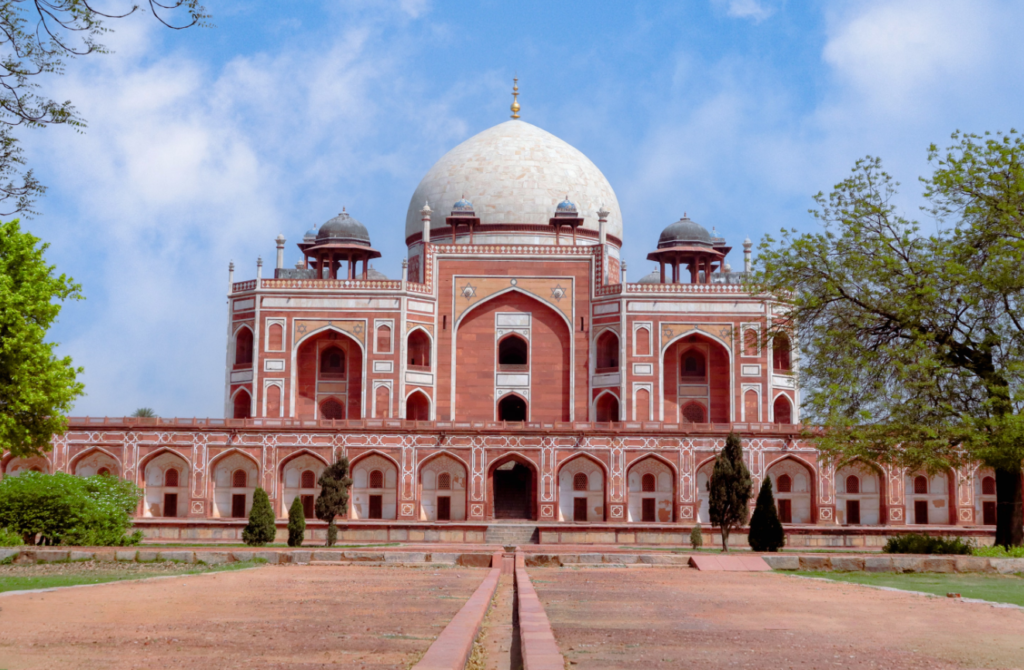
Built in 1570 by Empress Bega Begum, Humayun’s Tomb was the first grand garden-tomb constructed on the Indian subcontinent and later inspired the architectural design of the Taj Mahal.
This UNESCO World Heritage Site combines Persian and Mughal architectural traditions, featuring symmetrical gardens, elegant water channels, red sandstone walls, and a magnificent white marble dome.
Why Visit?
- Charbagh gardens
- Persian-inspired architecture
- Peaceful atmosphere
- Excellent photography opportunities
- Beautiful sunrise views
The surrounding Nizamuddin heritage area also contains several lesser-known monuments that history enthusiasts can explore after visiting the tomb.
4. Jama Masjid
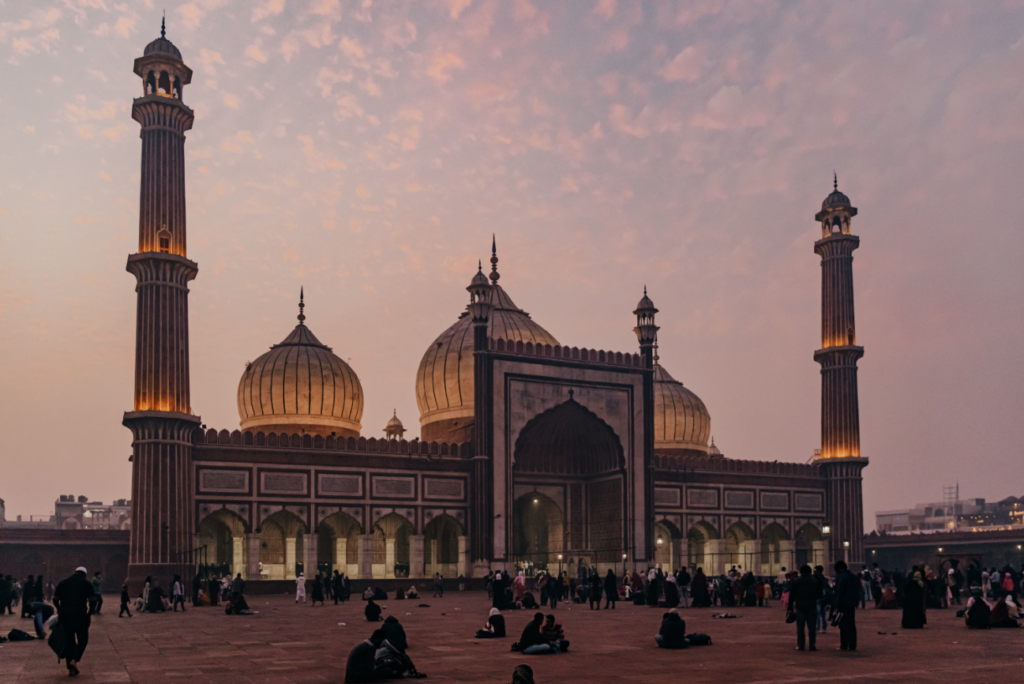
Built between 1644 and 1656 by Emperor Shah Jahan, Jama Masjid is one of the largest and most impressive mosques in India.
Located opposite the Red Fort in Old Delhi, the mosque can accommodate around 25,000 worshippers in its vast courtyard. Its striking combination of red sandstone and white marble, towering minarets, and grand staircases makes it one of the finest examples of Mughal religious architecture.
Highlights
- Three monumental gateways
- Two 40-metre-high minarets
- Expansive prayer courtyard
- Panoramic views of Old Delhi from the southern minaret
- Traditional Mughal architecture
Visitor Tips
- Dress modestly when entering.
- Shoes must be removed before entering the prayer area.
- The mosque is generally open daily, but tourist access is restricted during prayer times, especially on Fridays and after sunset. Photography is permitted, though additional charges may apply for certain activities such as climbing the minaret.
5. Purana Qila (Old Fort)
Among the oldest historical places in Delhi, Purana Qila (Old Fort) offers a fascinating glimpse into the city’s ancient past. Although the present fort was largely constructed by Mughal Emperor Humayun and later expanded by Sher Shah Suri during the 16th century, archaeological excavations have uncovered evidence of settlements dating back to the Painted Grey Ware period (around 1000 BCE). Some historians also associate the site with the legendary city of Indraprastha from the Mahabharata.
Today, visitors can explore the massive fort walls, ancient gateways, Sher Mandal, Qila-i-Kuhna Mosque, and the on-site Archaeological Museum, which displays artefacts spanning several dynasties.
Highlights
- Bara Darwaza
- Talaqi Gate
- Sher Mandal
- Qila-i-Kuhna Mosque
- Archaeological Museum
- Boating lake nearby
Opening Hours: 7:00 AM – 6:00 PM
6. Safdarjung’s Tomb
Constructed in 1754, Safdarjung’s Tomb is often regarded as the last grand garden tomb built during the Mughal era. It was commissioned by Nawab Shuja-ud-Daula in memory of his father, Safdarjung, who served as the Prime Minister of the Mughal Empire.
Although inspired by Humayun’s Tomb, the monument reflects the gradual decline of Mughal architecture, blending Persian gardens with elaborate sandstone and marble decoration. Its peaceful gardens make it one of the quieter historical places in Delhi, ideal for visitors seeking a less crowded experience.
Highlights
- Charbagh gardens
- Ornate central dome
- Decorative gateways
- Symmetrical Mughal architecture
- Excellent photography opportunities
7. Agrasen Ki Baoli
Hidden amidst the modern buildings of Connaught Place lies Agrasen Ki Baoli, one of Delhi’s most unique heritage sites.
This protected monument is a historic stepwell measuring approximately 60 metres long and 15 metres wide, featuring 103 stone steps descending into a deep water reservoir. While its exact origins remain uncertain, local legends connect it to King Agrasen, whereas historians believe the present structure was rebuilt during the Tughlaq period. Its atmospheric corridors and geometric design have made it a favourite among photographers and filmmakers.
Visitor Information
- Open daily
- Timings: 9:00 AM – 5:30 PM
- Nearest Metro: Janpath or Mandi House
8. Jantar Mantar
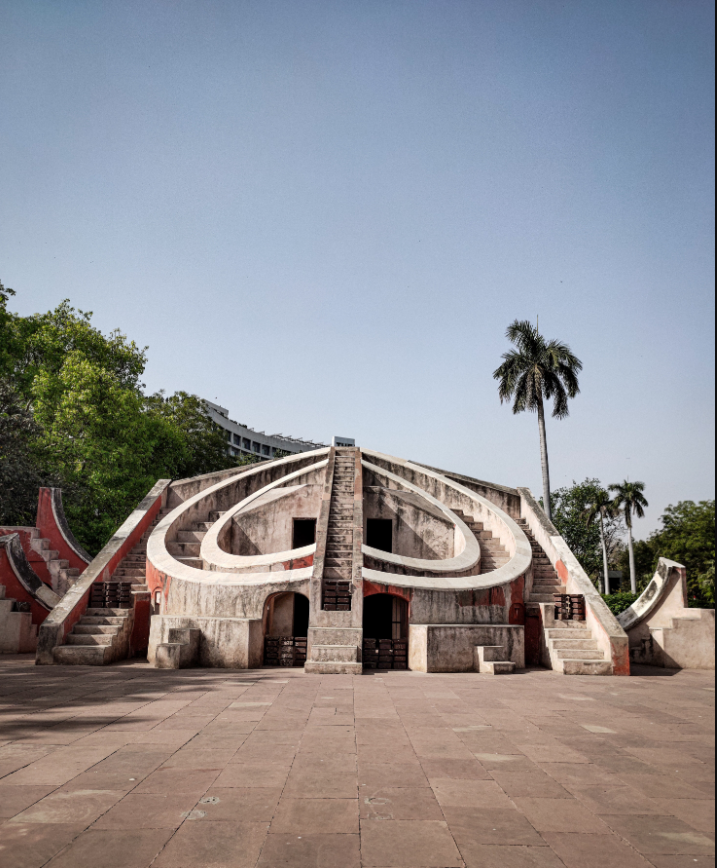
Built in 1724 by Maharaja Sawai Jai Singh II, Jantar Mantar demonstrates India’s remarkable achievements in astronomy long before modern technology.
This observatory consists of thirteen massive masonry instruments designed to measure time, predict eclipses, and observe celestial movements with impressive precision. Located near Connaught Place, it remains one of the most fascinating historical places in Delhi, especially for visitors interested in science and architecture.
Must-See Instruments
- Samrat Yantra
- Jai Prakash Yantra
- Misra Yantra
- Ram Yantra
Allow approximately one hour to fully explore the observatory.
9. Lodhi Garden
Unlike many enclosed monuments, Lodhi Garden combines historical architecture with beautifully landscaped gardens.
Spread across nearly 90 acres, the park contains several 15th-century tombs and monuments belonging to the Sayyid and Lodhi dynasties, including the Tomb of Mohammed Shah, Sikandar Lodi’s Tomb, Bara Gumbad, and Shisha Gumbad. Today, it serves as both a heritage site and one of Delhi’s favourite public parks for morning walks, photography, and picnics.
Why Visit?
- Historic tombs
- Beautiful gardens
- Birdwatching
- Sunrise photography
- Peaceful walking trails
Entry is free throughout the year.
10. India Gate
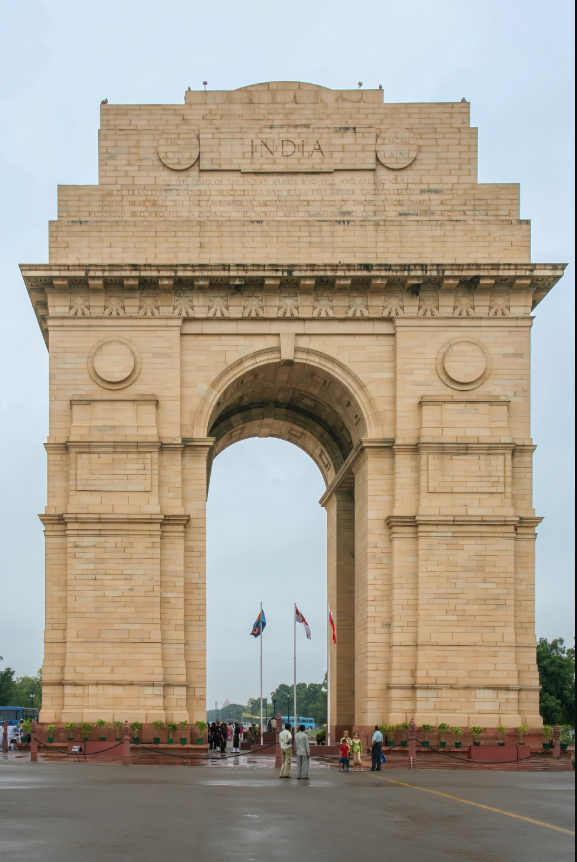
Although much newer than Delhi’s Mughal monuments, India Gate remains one of the city’s most recognisable landmarks and an essential stop when exploring the historical places in Delhi.
Designed by Sir Edwin Lutyens and inaugurated in 1931, the 42-metre-high memorial honours more than 70,000 Indian soldiers who lost their lives during the First World War and the Third Anglo-Afghan War. The nearby Amar Jawan Jyoti and National War Memorial further reinforce its importance as a symbol of national remembrance. The monument is open day and night, beautifully illuminated after sunset, and surrounded by expansive lawns popular with both locals and visitors.
Visitor Information
- Entry: Free
- Open: Morning to Night
- Best visited during the evening when the monument is illuminated
Other Historical Gems Worth Exploring
If you have additional time, consider visiting these lesser-known yet fascinating historical places in Delhi:
- Tughlaqabad Fort – A vast 14th-century fortress built by Ghiyas-ud-din Tughlaq.
- Hauz Khas Fort – Medieval ruins overlooking a scenic reservoir.
- Feroz Shah Kotla Fort – Home to Ashokan pillars and Delhi Sultanate ruins.
- Mehrauli Archaeological Park – More than 100 historic monuments spread across 200 acres.
- Raj Ghat – Memorial dedicated to Mahatma Gandhi.
Suggested 2-Day Itinerary
To experience the best historical places in Delhi, divide your sightseeing by location. This reduces travel time and allows you to enjoy each monument at a relaxed pace.
Day 1 – Old Delhi Heritage Trail
Morning
- Red Fort
- Jama Masjid
Lunch
Sample authentic Mughlai cuisine or street food in Chandni Chowk.
Afternoon
- Raj Ghat
- India Gate
- Kartavya Path
Evening
Watch the Red Fort Light and Sound Show (subject to schedule) or enjoy an evening walk around India Gate when the monument and surrounding fountains are illuminated.
Day 2 – South Delhi Heritage Circuit
Morning
- Qutub Minar
- Mehrauli Archaeological Park
Afternoon
- Humayun’s Tomb
- Lodhi Garden
- Safdarjung’s Tomb
Evening
Finish with Agrasen Ki Baoli or Jantar Mantar if time permits.
This itinerary covers most of the major historical places in Delhi while keeping travel distances practical.
Map-Friendly Area Breakdown
Grouping monuments by neighbourhood helps you maximise your sightseeing.
| Area | Major Attractions |
|---|---|
| Old Delhi | Red Fort, Jama Masjid, Chandni Chowk, Raj Ghat |
| Central Delhi | India Gate, Jantar Mantar, Agrasen Ki Baoli |
| South Delhi | Humayun’s Tomb, Safdarjung’s Tomb, Lodhi Garden |
| Mehrauli | Qutub Minar, Mehrauli Archaeological Park |
Most visitors spend 2–3 days exploring these heritage zones comfortably.
Getting Around Delhi
Delhi’s extensive Metro network is the easiest way to visit the historical places in Delhi.
Delhi Metro
The Metro connects nearly all major monuments, including:
- Red Fort
- Qutub Minar
- Jama Masjid
- Jantar Mantar
- Humayun’s Tomb (via JLN Stadium or Jor Bagh with a short auto-rickshaw ride)
- India Gate (via Pragati Maidan or Central Secretariat followed by a short ride)
Other Transport Options
- Auto-rickshaws
- App-based taxis
- Electric tourist buses
- Hop-on sightseeing services (seasonal)
A recently introduced electric double-decker sightseeing bus, Dekho Meri Dilli, also covers several important heritage landmarks for visitors seeking a guided experience.
Estimated Costs
| Activity | Approximate Cost |
|---|---|
| Monument Entry (ASI sites) | ₹35–₹600* |
| Delhi Metro Day Travel | ₹100–₹250 |
| Auto-rickshaw Ride | ₹50–₹250 |
| Guided Tour | ₹500–₹2,000 |
| Lunch | ₹300–₹800 |
*Ticket prices vary by nationality and monument. Many Archaeological Survey of India monuments offer discounted online tickets.
Safety Tips
Delhi is generally safe for tourists who follow standard travel precautions.
- Visit major monuments during daylight hours.
- Carry a reusable water bottle, sunscreen, and a hat, especially during warmer months.
- Wear comfortable walking shoes, as many heritage complexes involve extensive walking.
- Keep valuables secure in crowded markets such as Chandni Chowk.
- Dress modestly when visiting religious sites like Jama Masjid.
- Use authorised taxis or app-based ride services for late-evening travel.
Early morning visits also provide cooler temperatures and better opportunities for photography.
Frequently Asked Questions (FAQs)
Which are the UNESCO World Heritage Sites among the historical places in Delhi?
Delhi has three UNESCO World Heritage Sites:
- Red Fort
- Qutub Minar
- Humayun’s Tomb
How many days are enough to explore Delhi’s historical monuments?
A 2–3 day itinerary is ideal for covering the major historical places in Delhi while allowing enough time to appreciate each site.
Which monument is best for photography?
Some of the most photogenic locations include:
- Humayun’s Tomb
- Qutub Minar
- Red Fort
- Lodhi Garden
- Agrasen Ki Baoli
Each offers unique architectural styles and excellent lighting during early morning or late afternoon.
What is the best way to travel between monuments?
The Delhi Metro is the fastest and most economical option, supplemented by auto-rickshaws or taxis for short distances between stations and monuments.
Are guides available?
Yes. Licensed guides are available at major ASI monuments such as Red Fort, Humayun’s Tomb, and Qutub Minar. Audio guides are also available at selected attractions.
Conclusion
The historical places in Delhi showcase nearly a millennium of India’s architectural, political, and cultural evolution. From the imperial grandeur of the Red Fort and the soaring elegance of Qutub Minar to the tranquil gardens of Humayun’s Tomb and the scientific ingenuity of Jantar Mantar, every monument tells a unique story.
Combined with bustling heritage districts, beautiful parks, and excellent Metro connectivity, Delhi offers one of the richest historical experiences in Asia. Whether you are a history enthusiast, photographer, or first-time visitor, exploring the historical places in Delhi is an unforgettable journey through the heart of India’s past.

