

The Char Dham Yatra is one of the most sacred pilgrimages in Hinduism, deeply rooted in faith, devotion, and the eternal philosophy of Sanatan Dharma. This Char Dham yatra itinerary guides you through the four divine shrines—Yamunotri, Gangotri, Kedarnath, and Badrinath—each representing spiritual purification and liberation. Nestled in the Garhwal Himalayas, these temples are not just destinations but powerful centers of divine energy where millions of devotees seek blessings every year.
From the origin of holy rivers Yamuna and Ganga to the sacred Jyotirlinga of Kedarnath and the divine abode of Lord Vishnu at Badrinath, every step of this journey carries immense religious significance. Following a well-structured Char Dham yatra itinerary ensures that the pilgrimage is not only smooth but also spiritually fulfilling, allowing travelers to connect deeply with faith, nature, and inner peace.
Also Read – Top 10 Life-Changing Yoga Retreats in Rishikesh to Experience
This post contains affiliate links. If you choose to book through them, a small commission may be earned at no additional cost to you. Your support genuinely helps keep the blog running and allows continued creation of high-quality travel guides. Thank you for being here and supporting this journey.
Overview of Char Dham Yatra Route
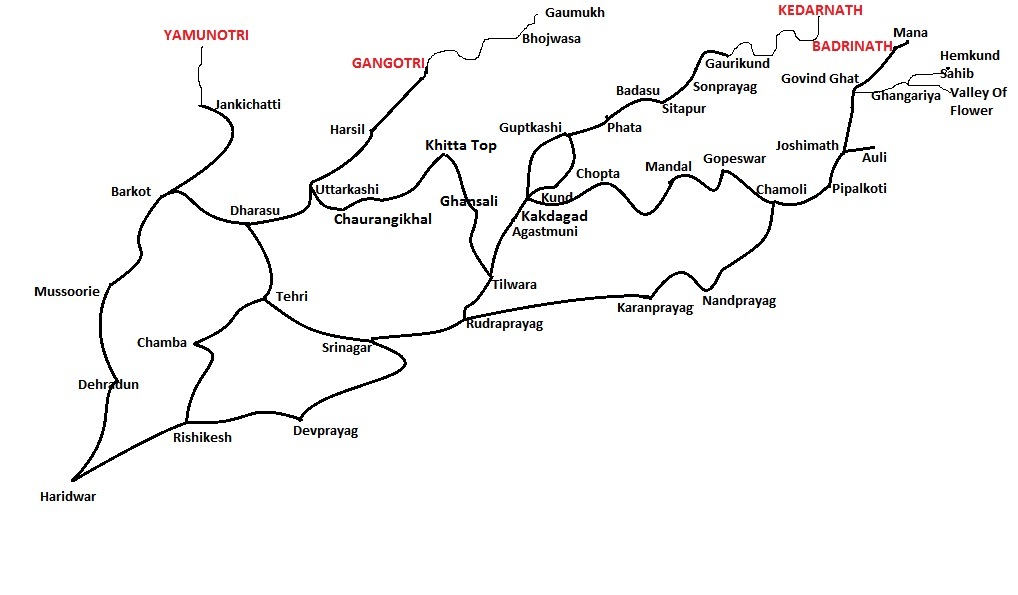
The Char Dham Yatra follows a sacred and time-honoured route that begins from Haridwar or Rishikesh, the spiritual gateways to the Himalayas. The journey traditionally proceeds in a clockwise direction—Yamunotri, Gangotri, Kedarnath, and finally Badrinath—symbolising a spiritual progression from purification to ultimate liberation .
Yamunotri marks the origin of the Yamuna River, followed by Gangotri, the source of the holy Ganga. The journey then moves to Kedarnath, representing Lord Shiva’s divine power, and concludes at Badrinath, the abode of Lord Vishnu, symbolising salvation. This west-to-east flow aligns with ancient traditions and the natural course of sacred rivers, making the pilgrimage both spiritually meaningful and geographically logical.
Also Read – Ultimate Uttarakhand Travel Guide: Everything You Need to Know Before You Go
12-Day Char Dham Yatra Itinerary
Day 1: Arrival in Haridwar / Rishikesh
Start your journey with Ganga Aarti at Har Ki Pauri. The spiritual vibrations prepare your mind and soul for the journey ahead.
Day 2: Haridwar → Barkot (190 km)
Drive through scenic mountain roads via Mussoorie. Enjoy lush valleys and river views before reaching Barkot.
Day 3: Yamunotri Trek & Darshan
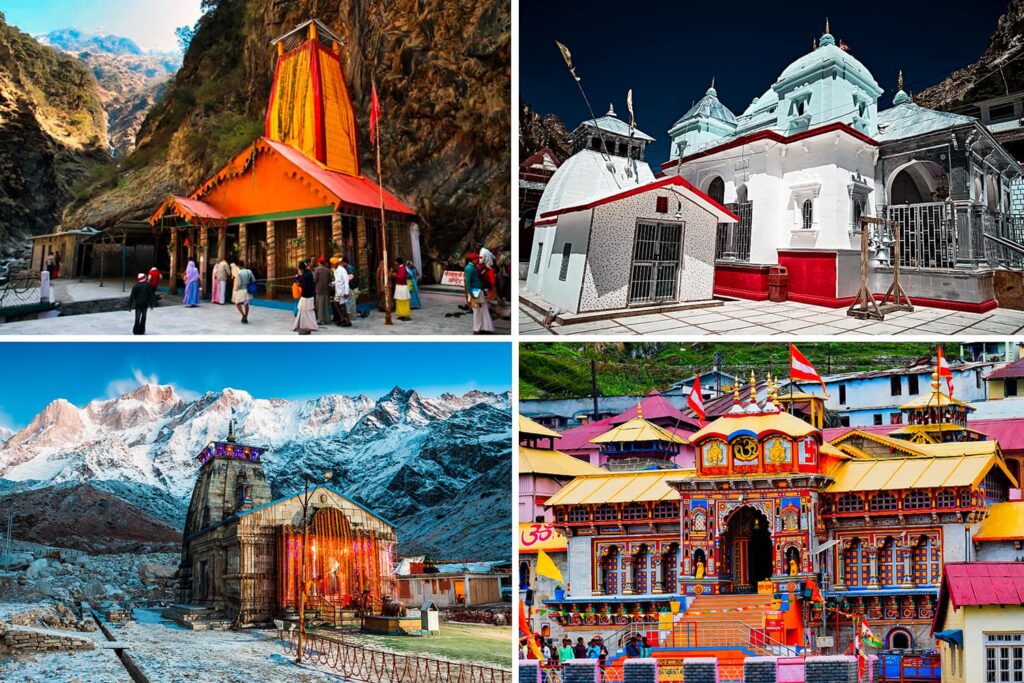
Drive to Janki Chatti and trek 6 km to Yamunotri Temple. Take a dip in Surya Kund and seek blessings of Goddess Yamuna.
Day 4: Barkot → Uttarkashi
Travel to Uttarkashi, visit Vishwanath Temple, and relax near the Bhagirathi River.
Day 5: Gangotri Darshan
Drive to Gangotri Temple, the origin of River Ganga. The serene surroundings and icy river create a divine atmosphere.
Day 6: Uttarkashi → Guptkashi
A long yet scenic drive through valleys and rivers leads to Guptkashi, preparing for Kedarnath.
Day 7: Kedarnath Trek
Drive to Gaurikund and begin the 16 km trek to Kedarnath Temple, one of the most powerful Jyotirlingas.
Day 8: Kedarnath → Return
Attend early morning darshan and trek back to Gaurikund, followed by drive to Guptkashi.
Day 9: Guptkashi → Badrinath
Travel via Joshimath and reach Badrinath. Attend evening aarti at the temple.
Day 10: Badrinath Darshan & Mana Village
Visit Badrinath Temple and explore Mana, the last village of India near the Tibetan border.
Day 11–12: Return Journey
Drive back to Haridwar/Rishikesh, concluding your pilgrimage with divine memories.
Duration and Travel Insights
A complete Char Dham yatra usually takes 10–12 days, depending on travel pace and weather conditions.
- Total distance: ~1,500 km (approx.)
- Trek difficulty: Moderate (especially Kedarnath & Yamunotri)
- Best time: May–June & September–October
- Avoid monsoon due to landslides
The journey involves long drives, high-altitude trekking, and changing weather, so physical preparation is essential.
Budget Planning for Char Dham Yatra
Planning finances is crucial when following a Char Dham yatra.
- Budget trip: ₹20,000–₹25,000 per person
- Standard trip: ₹28,000–₹45,000 per person
- Luxury trip: ₹50,000+ per person
Packages generally include accommodation, transport, and meals. Independent travelers may spend slightly more depending on preferences.
Simple stays, local food, and shared transport can significantly reduce costs.
Helicopter Services & VIP Options

For those seeking comfort or facing physical limitations, helicopter services are a major advantage in a Char Dham yatra itinerary.
- Kedarnath helicopter tickets: ₹4,000–₹9,000 (one way/return)
- Char Dham helicopter package: ₹1,80,000–₹2,40,000 per person
- Duration: 4–6 days
Helicopter tours offer VIP darshan, reduced travel time, and comfortable stays. However, bookings should always be done through official sources to avoid fraud.
These services are especially useful for elderly pilgrims or those with limited time.
Essential Travel Tips
Following a proper Char Dham yatra becomes easier with these tips:
- Carry warm clothing and rain gear
- Start treks early in the morning
- Stay hydrated and avoid altitude sickness
- Book hotels and transport in advance
- Respect local traditions and temple rules
Proper preparation ensures both safety and spiritual focus during the journey.
Spiritual Significance of Char Dham
The spiritual essence of the Char Dham Yatra lies in its deep symbolic journey through purification, devotion, and ultimate liberation. This Char Dham yatra itinerary reflects how each sacred site represents a vital stage in the soul’s spiritual evolution. Yamunotri, the origin of the Yamuna River, signifies purity and the beginning of life, where it is believed that bathing in its waters cleanses sins and protects devotees . Gangotri, the birthplace of the holy Ganga, represents spiritual cleansing and redemption, associated with the descent of the river to purify humanity .
Kedarnath, dedicated to Lord Shiva, symbolises the destruction of ego and karmic burdens, guiding devotees toward inner transformation . Finally, Badrinath, devoted to Lord Vishnu, represents wisdom, enlightenment, and the ultimate goal of Moksha—freedom from the cycle of rebirth .
Together, these four dhams form a sacred path that leads the soul toward divine connection, self-realisation, and eternal peace.
Final Thoughts
The Char Dham Yatra is not merely a physical journey through the Himalayas—it is a sacred path that brings one closer to the essence of Sanatan Dharma, where faith, nature, and devotion unite in perfect harmony. Following a well-planned Char Dham yatra itinerary allows travelers to experience not only the temples but also the divine presence flowing through rivers, mountains, and the spiritual energy of the land.
Every step of the journey, whether through challenging treks or quiet moments of prayer, carries a deeper meaning of surrender, humility, and inner awakening. The chants, the aarti, and the serene surroundings create an atmosphere that touches the soul profoundly.
For those who undertake this journey with true devotion and humility, the Char Dham Yatra becomes more than a pilgrimage—it becomes a lifelong spiritual transformation rooted in faith, purity, and eternal truth.

